About

Surman National Park (Arabic: غابة صرمان والمنتزه الوطني, also known as Sirman National Park) is located in northwestern Libya near the coastal city of Surman, approximately 31 miles (50 km) west of Tripoli. Established in 1992, the park covers approximately 4.2 square miles (11 sq km), with about 1.5 square miles (4 sq km) actively managed as protected parkland.

Situated near the renowned archaeological site of Sabratha, a UNESCO World Heritage Site, Surman National Park preserves an important section of Libya’s Mediterranean coastal environment. Although relatively small compared to many African national parks, it plays a valuable role in protecting biodiversity and green spaces within a heavily populated coastal region.

The park is best known for its combination of coastal dunes, planted woodlands, and Mediterranean landscapes. Visitors are attracted to its peaceful natural setting, which provides a contrast to the surrounding urban and agricultural areas.

The proximity of the park to the Mediterranean Sea and the ancient ruins of Sabratha makes it a unique destination where natural and cultural heritage exist side by side. The park serves as an important recreational area for local residents while also providing opportunities for nature observation, environmental education, and appreciation of Libya’s coastal ecosystems.

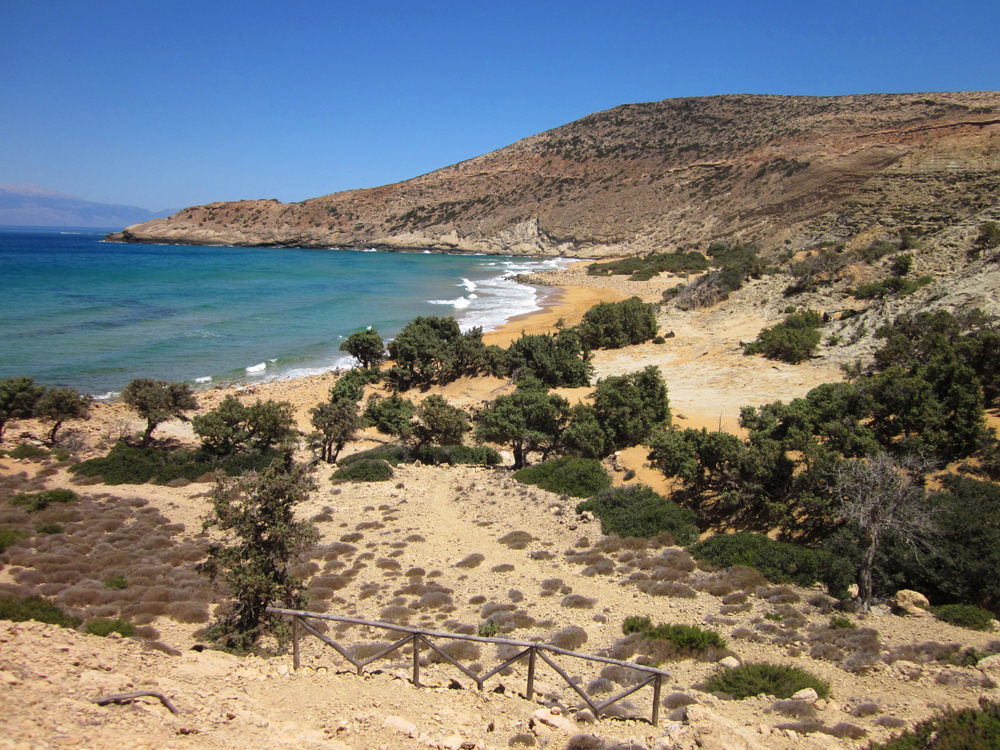
Geographically, Surman National Park occupies a low-lying coastal plain characterized by sand dunes, open woodland, and patches of shrubland. The Mediterranean climate brings mild, wetter winters and hot, dry summers. Much of the vegetation consists of planted forests and drought-tolerant species that help stabilize soils and reduce erosion.

Common trees include eucalyptus, acacia, casuarina, and Christ’s thorn, along with a variety of shrubs adapted to arid coastal conditions. Some portions of the park are more barren and reflect the transition between Mediterranean habitats and the drier environments that dominate much of Libya. The park’s vegetation contributes to the ecological health of the region by providing shelter and food for wildlife.

Despite its modest size, Surman National Park supports a variety of wildlife. Rodents, reptiles, and numerous invertebrates are commonly found throughout the park’s dunes and woodlands. Snakes and lizards are well adapted to the dry environment and are frequently observed in warmer months.

The nearby Mediterranean coast supports additional biodiversity, including migratory birds that travel between Europe and Africa. Coastal habitats in the broader region provide refuge for marine species such as fish, sea turtles, and occasional seals. These habitats make the Surman area an important link within the larger network of Mediterranean ecosystems along Libya’s coastline.

Surman National Park plays an important conservation role by protecting coastal vegetation, stabilizing sand dunes, and providing habitat for wildlife in an increasingly developed region. The park also contributes to environmental awareness by demonstrating how restored forests and protected landscapes can support biodiversity in arid environments. While much smaller than major African wilderness parks, its value lies in safeguarding a representative portion of Libya’s Mediterranean coast.

In this respect, Surman shares similarities with protected coastal reserves such as Algharabolli National Park and Parco Naturale Regionale di Porto Conte, where coastal habitats, migratory birds, and Mediterranean vegetation are preserved for future generations. Through its dunes, forests, wildlife, and proximity to one of North Africa’s great archaeological treasures, Surman National Park remains an important component of Libya’s natural heritage.

Things to See

Popular

Surman National Park is renowned for its remarkable biodiversity, where unique ecosystems harbor a variety of fascinating species thriving in harmony.

Desert Fox
This agile predator roams the arid landscapes, using its keen senses to hunt small mammals and insects.

Dorcas Gazelle
The Dorcas Gazelle gracefully navigates the park’s open plains, displaying resilience in the harsh desert environment.

Striped Hyena
Primarily nocturnal, the Striped Hyena plays a vital role as a scavenger in the park’s ecosystem.

African Wildcat
Elusive and solitary, the African Wildcat prowls through dense vegetation, blending seamlessly into its surroundings.

Sand Boa
A master of camouflage, the Sand Boa burrows into the desert sands, waiting to ambush its prey.

Golden Jackal
This adaptive predator moves in small packs, often spotted near water sources or open areas.

Fennec Fox
Known for its oversized ears, the Fennec Fox uses them to dissipate heat and locate underground prey.

Caracal
With its tufted ears and powerful build, the Caracal is an agile hunter that leaps to catch birds mid-flight.

Gerbil
A tiny yet resourceful rodent, the Gerbil survives on minimal water, thriving in the park’s dry terrain.

Honey Badger
This fearless mammal explores the desert for food, showing remarkable persistence in its quest for survival.

Birds

Surman National Park is a haven for bird enthusiasts, offering an array of colorful and rare avian species across its diverse habitats.

Lappet-faced Vulture
This majestic scavenger is often seen circling above, searching for carrion on the open plains.

Desert Wheatear
With its distinctive plumage, the Desert Wheatear perches on rocks, thriving in the arid landscape.

Greater Hoopoe-Lark
Known for its melodious song, the Greater Hoopoe-Lark is a delight to birdwatchers in the sandy terrains.

Crested Lark
This adaptable bird can be spotted foraging for seeds and insects in open areas of the park.

White-crowned Wheatear
Its striking black-and-white plumage makes the White-crowned Wheatear a standout in the desert ecosystem.

Egyptian Vulture
This elegant bird scavenges for food, often using tools like stones to crack open eggs.

Brown-necked Raven
The intelligent Brown-necked Raven displays complex behaviors while searching for food in the park.

Namaqua Dove
This small, graceful dove flutters around water sources, its soft coos adding to the park’s tranquility.

Eurasian Hoopoe
A visitor favorite, the Eurasian Hoopoe is recognized for its striking crest and distinctive call.

Sandgrouse
Found near waterholes, the Sandgrouse is an important species adapted to the arid conditions of the park.

Things To Do

Engaging Surman National Park

placeholder

Safaris

Embarking on a desert safari in Surman National Park offers a unique way to explore its expansive arid landscapes. Visitors ride in specially designed vehicles, traversing sandy dunes and rocky outcrops.

Expert guides help spot elusive species like the Fennec Fox and Striped Hyena while sharing fascinating insights into their behaviors. The experience often includes stops at waterholes, where animals congregate, providing excellent photographic opportunities. Sunrise and sunset safaris are particularly magical, as the soft light enhances the desert’s dramatic beauty.

placeholder

Nature Walks

Nature walks provide an intimate exploration of Surman National Park’s desert ecosystems, enabling visitors to connect with its unique flora and fauna. Guides lead participants through sandy trails and rocky terrain, pointing out animal tracks, plants, and geological formations.

Encounters with species like the Desert Fox and Dorcas Gazelle bring the experience to life. These walks are designed for all fitness levels, blending education and adventure as visitors uncover the park’s hidden wonders.

placeholder

Birdwatching

Birdwatching in Surman National Park is a rewarding activity, with its diverse avian life offering endless opportunities for observation. Guided tours lead visitors to hotspots like waterholes and rocky ledges, where birds such as the Lappet-faced Vulture and Egyptian Vulture can be seen.

Birdwatchers are provided with field guides and binoculars to maximize their experience. The serene environment, punctuated by bird calls, allows for a peaceful yet exciting exploration of the park’s winged residents.