

About
Sibiloi National Park, the park is located on the northeastern shores of Lake Turkana in northern Kenya. The park covers approximately 610 square miles (1,570 sq km) and forms part of the UNESCO World Heritage-listed Lake Turkana National Parks.
Established in 1973, Sibiloi National Park protects a remote and dramatic landscape of volcanic formations, desert plains, and lakeshore habitats. The park lies west of the Ethiopian border and is relatively isolated from Kenya’s more frequently visited safari destinations. Nearby protected areas include the Central Island National Park and South Island National Park, which together help safeguard the unique ecosystems of the Lake Turkana basin.
Sibiloi National Park is best known as one of the most important paleoanthropological sites in the world. Often referred to as the “Cradle of Humankind,” the park contains the famous Koobi Fora fossil deposits, where some of the most significant discoveries related to early human evolution have been made.
Scientists have uncovered fossils of early hominins, prehistoric mammals, and ancient ecosystems dating back millions of years. Visitors are drawn not only by the park’s scientific significance but also by its stark beauty, remote wilderness, and opportunities to explore one of Africa’s most fascinating landscapes. The combination of archaeology, geology, and wildlife makes Sibiloi unlike any other national park in Kenya.
The geography of Sibiloi National Park is shaped by volcanic activity, erosion, and the influence of Lake Turkana, the world’s largest permanent desert lake. The landscape consists of lava plains, rocky ridges, extinct volcanic formations, sandy shorelines, and dry riverbeds. One of the park’s most striking features is the Sibiloi Mountain range, which rises above the surrounding terrain and provides spectacular views across the lake basin.
Vegetation is sparse due to the arid climate and consists primarily of desert shrubs, acacia trees, grasses, and drought-resistant plants. Despite the harsh conditions, the park supports a surprising diversity of life adapted to one of Africa’s most extreme environments.
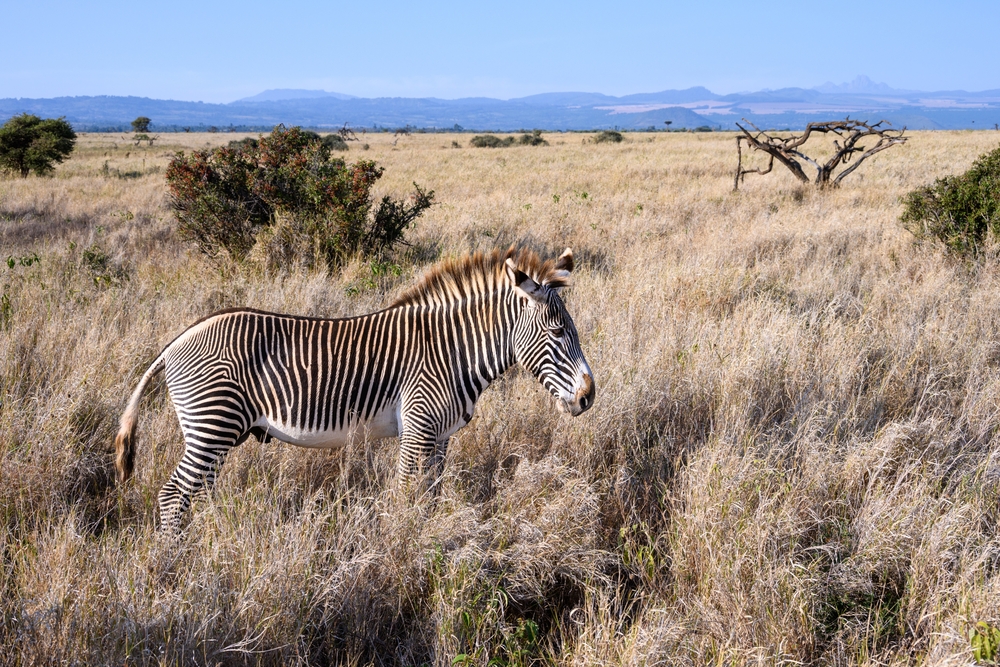
Wildlife within Sibiloi National Park reflects its desert ecosystem. Mammals include Grevy’s zebra, Beisa oryx, Grant’s gazelle, greater kudu, striped hyena, jackal, and cheetah. Nile crocodiles inhabit the waters of Lake Turkana, which supports one of the largest remaining crocodile populations in the world.
The park is also an important refuge for migratory and resident bird species. Flamingos, pelicans, herons, gulls, terns, and numerous waterbirds gather along the lakeshore, while raptors patrol the skies above the arid plains. The combination of desert wildlife and aquatic species creates an unusual ecological contrast that distinguishes Sibiloi from most other African national parks.
Sibiloi National Park plays a globally significant conservation role by protecting both natural and cultural heritage. The park safeguards critical habitats within the Lake Turkana ecosystem while preserving fossil sites that have transformed our understanding of human origins. Its scientific importance is often compared to renowned fossil regions such as Olduvai Gorge and South Africa’s Cradle of Humankind.
Few protected areas in the world combine such extraordinary archaeological significance with ecological value. Today, Sibiloi National Park remains one of Africa’s most remarkable destinations, preserving evidence of humanity’s distant past while protecting the unique wildlife and landscapes of the Lake Turkana region.
Things to See
Things To Do
Engaging Sibiloi National Park
