About

Malindi Marine National Park is located along Kenya’s Indian Ocean coastline near the city of Malindi in Kilifi County. The park covers approximately 2.3 square miles (6 sq km) and forms part of the larger Malindi and Watamu Marine Protected Area.

Established in 1968, it was the first marine national park in Africa and remains one of Kenya’s most important marine conservation areas. The park lies adjacent to the Watamu Marine National Park and protects a rich section of the Indian Ocean ecosystem characterized by coral reefs, seagrass beds, lagoons, and coastal habitats. Its location along Kenya’s famous Swahili Coast makes it both a conservation treasure and a popular destination for marine tourism.

Malindi Marine National Park is best known for its vibrant coral reefs, crystal-clear waters, and exceptional snorkeling and diving opportunities. Visitors from around the world come to explore the park’s colorful underwater landscapes, where coral formations support a remarkable diversity of marine life.

Glass-bottom boat tours provide access to the reefs for those who prefer to remain above the water, while snorkeling and scuba diving allow closer encounters with the park’s rich biodiversity. Calm lagoons and warm tropical waters create ideal conditions for marine recreation. The park’s accessibility and beauty have made it one of East Africa’s premier coastal attractions and an important destination for environmental education.

The geography of Malindi Marine National Park is shaped by coral reef systems that run parallel to the coastline. These reefs help protect sheltered lagoons and seagrass beds from the force of ocean waves. The park includes shallow reef flats, sandy seabeds, coral gardens, and deeper offshore habitats.

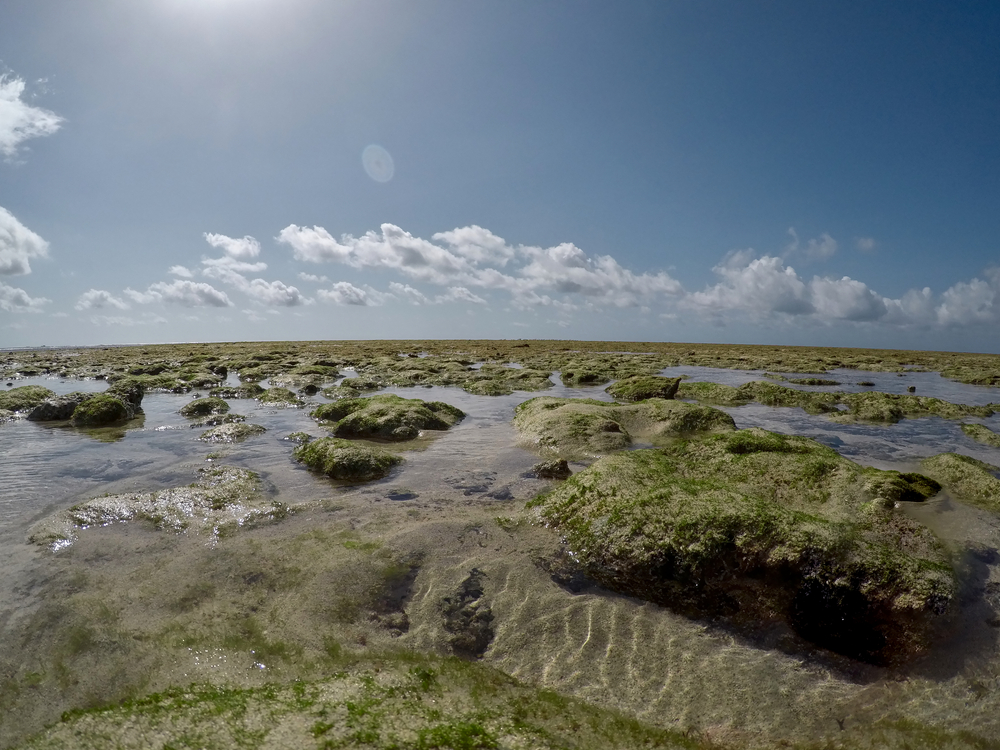
Tides play a significant role in shaping the marine environment, exposing portions of the reef during low tide and creating changing conditions throughout the day. The surrounding coastal ecosystem also includes mangroves and beaches that contribute to the health of the marine environment. Together, these interconnected habitats support one of the most productive marine ecosystems along the East African coast.

Marine wildlife is the park’s greatest attraction. More than 600 species of fish inhabit the reefs, including angelfish, butterflyfish, parrotfish, surgeonfish, and groupers. Sea turtles are frequently observed in the park, particularly green turtles and hawksbill turtles, both of which depend on healthy coastal ecosystems for survival.

Dolphins are occasionally seen offshore, while crustaceans, mollusks, sea stars, and countless invertebrates thrive among the corals. The seagrass beds provide important feeding grounds for marine species and serve as nurseries for juvenile fish. The abundance and diversity of life beneath the surface make the park one of the finest marine wildlife viewing destinations in the western Indian Ocean.

Malindi Marine National Park plays a critical role in protecting Kenya’s coral reef ecosystems and marine biodiversity. The park safeguards habitats that support threatened sea turtles, reef-building corals, and numerous commercially important fish species. Its conservation significance is often compared to renowned marine protected areas such as Bonaire National Marine Park and sections of the Great Barrier Reef Marine Park, where healthy reef ecosystems provide both ecological and economic benefits.

As Africa’s first marine national park, Malindi has served as a model for marine conservation across the continent. Today, it remains a vital sanctuary for marine life and a remarkable destination where visitors can experience the extraordinary beauty of Kenya’s underwater world.

Things to See

Popular

The coral reefs and azure waters of Malindi Marine National Park form a sanctuary for a diverse array of marine creatures, making it an enchanting destination for aquatic exploration.

Hawksbill Turtles are a rare and endangered species often spotted gliding gracefully over coral reefs.

Butterflyfish, with their vibrant colors and delicate patterns, dart around the reefs, adding a touch of elegance to the underwater scenery.

Giant Grouper is a massive and awe-inspiring fish, often seen lurking near coral overhangs or caves.

Sea Cucumbers dot the ocean floor, playing a vital role in maintaining the ecological balance of the reef.

Cuttlefish are masters of camouflage, often changing color and texture to blend seamlessly with their surroundings.

Triggerfish, with their bold hues and sharp teeth, can be seen foraging for food among the corals.

Starfish, in various colors and sizes, add to the reef’s beauty as they cling to rocks or sand.

Pufferfish exhibit a unique defense mechanism, inflating themselves into spiky orbs when threatened.

Eagle Rays glide majestically through open waters, their spotted wings making them an iconic sight.

Clownfish, famously residing in sea anemones, captivate visitors with their vibrant orange and white patterns.

Birds

The park’s proximity to mangroves and coastal waters attracts an array of fascinating birdlife, making it a haven for birdwatchers.

Mangrove Kingfishers are often seen perched near water, their brilliant blue plumage a striking sight.

Greater Flamingos wade gracefully through shallow waters, their pink hues creating a mesmerizing spectacle.

African Spoonbills, with their unique flat bills, forage in tidal areas, often moving in groups.

Grey Herons are majestic birds that stand motionless for minutes, waiting to catch unsuspecting fish.

Pied Kingfishers hover expertly above the water before plunging down to snatch their prey.

White-faced Whistling Ducks form noisy flocks, their calls a signature sound of the park’s wetlands.

Caspian Terns are powerful flyers that skim the water’s surface in search of fish, their sharp cries echoing over the waves.

Sacred Ibises, recognizable by their curved beaks, are often seen wading in shallow coastal areas.

Little Egrets with their delicate white feathers and slender necks, hunt for small fish and crustaceans.

Yellow-billed Storks add a splash of color to the wetlands, their bright yellow beaks standing out vividly.

Things To Do

Engaging Malindi Marine National Park

placeholder

Snorkeling

Malindi Marine National Park offers unparalleled snorkeling experiences, allowing visitors to immerse themselves in a vibrant underwater world. Equipped with masks and fins, snorkelers glide above coral gardens teeming with marine life.

The water’s clarity reveals intricate coral formations and schools of colorful fish. Guides enhance the experience by pointing out unique species like butterflyfish and clownfish, as well as explaining the ecological significance of the reef.

With calm waters and safe conditions, this activity is ideal for beginners and seasoned snorkelers alike, leaving participants with a deep appreciation for the marine ecosystem.

placeholder

Scuba-Diving

Scuba diving in Malindi Marine National Park is a thrilling experience for adventurers looking to explore its deeper waters. Diving excursions take participants to spectacular sites featuring drop-offs, caves, and coral walls.

Encounters with larger species like eagle rays, groupers, and even reef sharks add an element of excitement. Dive masters ensure safety while leading participants through the marine wonders, sharing insights into the park’s biodiversity.

The serene underwater environment, combined with the adrenaline of discovery, makes diving an unforgettable highlight of visiting Malindi Marine National Park.

placeholder

Glass Bottom Boats

For those who prefer to stay dry while marveling at the underwater wonders, glass-bottom boat tours are a perfect choice. These tours provide a clear view of the reef and marine life below, including turtles, starfish, and vibrant fish.

Knowledgeable guides share fascinating details about the marine environment, creating an educational and visually captivating journey. Ideal for families and non-swimmers, these tours combine relaxation with discovery, offering a unique perspective on the park’s underwater treasures.