

About
Kisite-Mpunguti Marine National Park is located along Kenya’s southern Indian Ocean coastline near the border with Tanzania. The park covers approximately 11 square miles (28 sq km) and consists of the coral-rich Kisite Marine National Park and the surrounding Mpunguti Marine Reserve.
Established in 1978, the protected area lies offshore from the coastal town of Shimoni and is situated south of the nearby Diani Beach. Together with neighboring marine conservation areas, Kisite-Mpunguti protects one of the most biologically diverse sections of Kenya’s coastline. Its pristine coral reefs, clear waters, and abundant marine life have earned it a reputation as one of East Africa’s premier marine parks.
Kisite-Mpunguti Marine National Park is best known for its spectacular coral reefs, vibrant underwater ecosystems, and frequent dolphin sightings. Often referred to as the “home of the dolphins,” the park attracts visitors seeking exceptional snorkeling, diving, and marine wildlife experiences. The calm, warm waters provide ideal conditions for exploring colorful coral gardens teeming with tropical fish.
Boat excursions allow visitors to observe marine life from the surface, while underwater adventures reveal an extraordinary world of coral formations and reef species. The park’s scenic setting, surrounded by turquoise waters and small coral islands, creates an unforgettable coastal experience that differs greatly from Kenya’s terrestrial national parks.
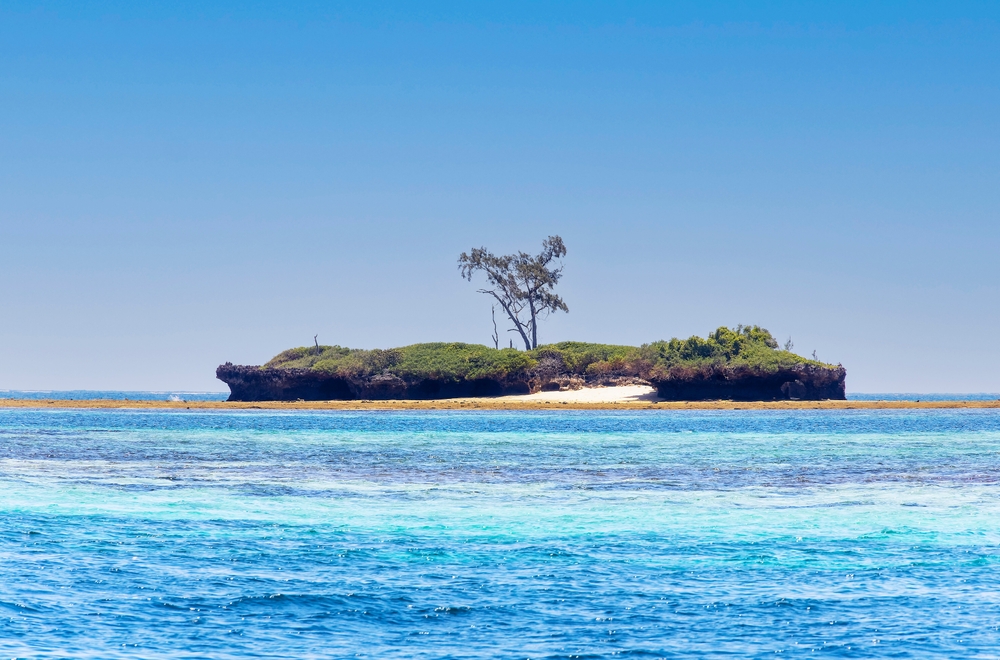
The geography of Kisite-Mpunguti Marine National Park consists of coral islands, fringing reefs, lagoons, seagrass beds, and open ocean habitats. Kisite Island, the park’s namesake, is a small coral island surrounded by extensive reef systems that provide shelter for countless marine organisms.
The coral reefs act as natural barriers, reducing wave energy and creating protected environments where marine life flourishes. Tidal changes expose portions of the reef while also influencing the movement of fish and other species throughout the ecosystem. Seagrass meadows and sandy seabeds further enhance habitat diversity, making the park one of the most ecologically important marine environments along the East African coast.
Marine wildlife is the park’s greatest attraction. More than 250 species of fish have been recorded within the protected area, including angelfish, butterflyfish, parrotfish, triggerfish, and groupers. Bottlenose dolphins and humpback dolphins are frequently observed swimming through the park’s waters, often accompanying boats or feeding along the reefs.
Green turtles and hawksbill turtles utilize the park’s reefs and seagrass beds, while seasonal migrations bring humpback whales to nearby waters. The reefs support countless invertebrates, including sea stars, sea urchins, crustaceans, and colorful coral species. Seabirds also frequent the islands and surrounding waters, contributing to the park’s rich biodiversity.
Kisite-Mpunguti Marine National Park plays a vital role in protecting one of Kenya’s most important coral reef ecosystems. The park safeguards habitats that support threatened sea turtles, dolphins, and reef-building corals while serving as an important breeding and nursery area for marine species.
Its conservation significance is often compared to renowned marine protected areas such as Bunaken National Park and sections of the Great Barrier Reef Marine Park, where healthy coral ecosystems sustain remarkable biodiversity. As pressures from climate change, overfishing, and coastal development continue to affect marine environments worldwide, Kisite-Mpunguti remains a critical refuge for marine life and one of East Africa’s finest examples of successful ocean conservation.
Things to See
Things To Do
Engaging Kisite-Mpunguti Marine National Park
