About

Central Island National Park, the park is located within the waters of Lake Turkana in northern Kenya. The park covers approximately 2 square miles (5 sq km) and protects Central Island, a remote volcanic island situated near the center of the lake.

Established in 1983, the park forms part of the UNESCO World Heritage-listed Lake Turkana National Parks, together with the nearby Sibiloi National Park and South Island National Park. Although small in size, Central Island National Park protects one of the most extraordinary volcanic and wildlife habitats in East Africa. Its isolation within the world’s largest permanent desert lake creates a unique environment found nowhere else on the continent.

Central Island National Park is best known for its active volcanic landscape and immense populations of Nile crocodiles. Visitors are drawn by the island’s dramatic scenery, where volcanic craters rise above the turquoise waters of Lake Turkana. The island is accessible primarily by boat and offers a sense of adventure rarely found in more accessible national parks.

One of its most remarkable attractions is the presence of crater lakes that provide nesting and breeding habitat for thousands of crocodiles. The combination of volcanic geology, abundant wildlife, and remote wilderness creates an unforgettable experience for visitors interested in nature, geology, and conservation.

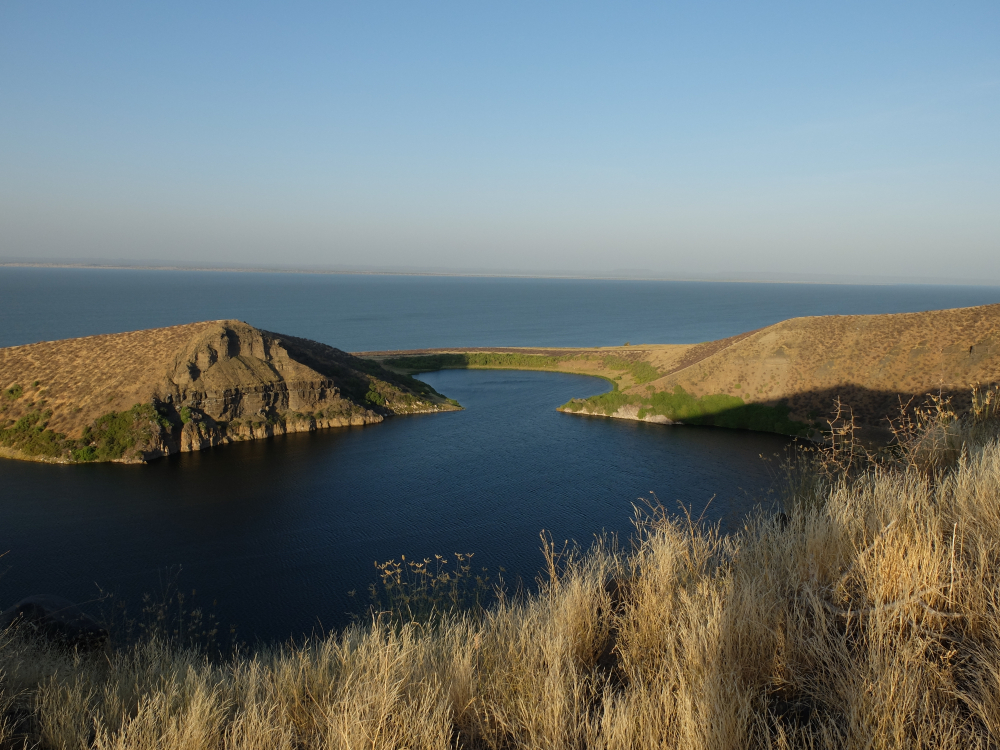
The geography of Central Island National Park is dominated by volcanic features that formed through eruptions associated with the East African Rift System. The island contains three prominent crater lakes known as Crocodile Lake, Flamingo Lake, and Tilapia Lake. These crater lakes vary in salinity and ecological conditions, supporting different plant and animal communities. Rocky lava formations, volcanic cones, and rugged slopes define much of the terrain.

Vegetation is sparse due to the region’s hot and arid climate, consisting primarily of drought-tolerant shrubs, grasses, and scattered hardy plants adapted to volcanic soils. The contrast between barren volcanic landscapes and the blue waters of Lake Turkana gives the island its striking appearance.

Wildlife is one of the park’s greatest attractions. Central Island is internationally recognized for supporting one of the largest concentrations of Nile crocodiles in Africa. Thousands of crocodiles utilize the island’s crater lakes and shoreline habitats for nesting and breeding. The surrounding waters of Lake Turkana support numerous fish species that sustain these crocodile populations.

Birdlife is also abundant, particularly around the crater lakes. Flamingos, pelicans, cormorants, gulls, and numerous migratory waterbirds gather on and around the island throughout the year. Reptiles, aquatic species, and various smaller animals adapted to arid environments further contribute to the park’s biodiversity. The interaction between volcanic habitats and aquatic ecosystems creates a remarkable concentration of wildlife within a relatively small area.

Central Island National Park plays a vital conservation role by protecting one of the world’s most important crocodile breeding sites and a unique volcanic ecosystem within Lake Turkana. The park safeguards habitats critical to numerous bird species and aquatic wildlife while preserving geological features of international significance.

Its conservation value is comparable to specialized island reserves such as Galápagos National Park and volcanic island ecosystems elsewhere in the world, where isolation has shaped unique ecological communities. Today, Central Island National Park remains one of Kenya’s most fascinating protected areas, preserving an extraordinary blend of geology, wildlife, and natural history within the heart of Lake Turkana.

Things to See

Popular

Central Island National Park, a striking volcanic island in Lake Turkana, teems with unique species adapted to its dramatic and isolated environment.

Nile Crocodile
This apex predator thrives in the lake’s warm waters, where it ambushes prey with powerful jaws.

Lake Turkana Tilapia
A critical part of the aquatic ecosystem, this fish supports the food web with its abundance.

Flamingo-lined Tilapia
This vividly colored fish navigates the lake’s saline waters, contributing to its vibrant aquatic life.

Grant’s Gazelle
Occasionally spotted on the island, these graceful antelopes graze in open areas near the lake’s edges.

Spotted Hyena
Often heard howling at night, this scavenger plays a vital role in maintaining ecological balance.

African Rock Python
This non-venomous snake lurks around rocky areas, preying on birds and small mammals.

Lake Turkana Turtle
A resilient aquatic species, it adapts seamlessly to the lake’s fluctuating conditions.

Monitor Lizard
This opportunistic reptile prowls the rocky shores, feeding on fish and bird eggs.

Gecko Species
Several gecko species inhabit the island’s volcanic terrain, thriving in the crevices of rocky outcrops.

Golden Jackal
This adaptable predator scours the landscape for small prey, often active during twilight hours.

Birds

The volcanic habitat of Central Island is a sanctuary for birdlife, with its diverse species adding life to the rugged environment.

Lesser Flamingo
The saline waters of Lake Turkana attract flocks of these pink-feathered waders, a breathtaking sight against the volcanic backdrop.

Great White Pelican
Large and majestic, these birds are often seen gliding over the lake in search of fish.

African Fish Eagle
This iconic raptor’s piercing call echoes across the lake as it swoops down to catch its prey.

Pied Kingfisher
Small and striking, this bird hovers skillfully over the water before diving for fish.

Yellow-billed Stork
Graceful waders, these storks forage along the lake’s edges, adding charm to the landscape.

Greater Flamingo
Larger than their lesser counterparts, these birds create vibrant displays as they gather in the shallows.

Little Egret
With its white plumage and elegant movements, this bird is a common sight along the shoreline.

Marabou Stork
Often seen near fishing areas, this large bird scavenges for scraps and small fish.

African Skimmer
Known for its unique feeding technique, this bird skims the water’s surface with its lower mandible.

Crested Grebe
These diving birds are often spotted in pairs, their courtship displays adding drama to the waterscape.

Things To Do

Engaging Central Island National Park

placeholder

Boat Excursions

Exploring Central Island by boat offers an unparalleled perspective of its volcanic beauty and diverse wildlife. As you navigate the shimmering emerald waters of Lake Turkana, often referred to as the “Jade Sea,” you may encounter Nile crocodiles basking on the shores and vibrant birdlife.

Knowledgeable guides enhance the journey with insights into the lake’s history, its geological significance, and the thriving aquatic ecosystem. The tranquility of being surrounded by water, coupled with the sight of the island’s rugged peaks, creates an unforgettable experience for nature lovers and photographers alike.

placeholder

Hiking

Embarking on a hike through Central Island’s volcanic terrain is both an adventurous and educational endeavor. Trails lead to its three distinct crater lakes—Crocodile, Flamingo, and Tilapia—each named after the species that inhabit them.

Along the way, guides provide fascinating details about the volcanic origins of the island, the unique adaptations of its wildlife, and the vibrant flora that manages to thrive in this harsh environment.

The breathtaking views from elevated points on the island offer a panoramic perspective of Lake Turkana and its surroundings.

placeholder

Wildlife Viewing

Central Island is a haven for wildlife enthusiasts and photographers, offering opportunities to capture rare species in their natural habitats.

Whether observing flamingos wading in the crater lakes or Nile crocodiles lurking near the shore, every moment presents a chance to document the park’s diverse ecosystem.

With minimal human interference, the island provides an unspoiled backdrop for close encounters with nature, where patience often rewards visitors with unique and intimate sightings.