

About
Rumanyika-Karagwe National Park is located in northwestern Tanzania within the Kagera Region near the borders of Uganda and Rwanda. The park covers approximately 957 square miles (2,479 sq km) and was officially established as a national park in 2019.
It lies within a broader conservation landscape that includes the nearby Ibanda-Kyerwa National Park and important wildlife habitats extending across East Africa’s western corridor. Although it is one of Tanzania’s newest and least-visited national parks, Rumanyika-Karagwe protects a rich mosaic of ecosystems and wildlife populations that contribute significantly to regional biodiversity conservation.
Rumanyika-Karagwe National Park is best known for its unspoiled wilderness, scenic hills, and diverse wildlife. Because tourism infrastructure remains relatively limited, visitors experience a level of solitude that has become increasingly rare in many African protected areas.
The park offers opportunities for game viewing, birdwatching, nature photography, and exploration of landscapes that remain largely unchanged by modern development. Rolling hills, open savannas, and wooded valleys create a peaceful setting where visitors can enjoy an authentic wilderness experience far from crowded safari circuits. Its remote character appeals to travelers seeking discovery and a deeper connection with nature.
The geography of Rumanyika-Karagwe National Park is characterized by gently undulating terrain, rocky ridges, seasonal rivers, wetlands, and broad savanna landscapes. Elevations vary across the park, creating a variety of habitats that support different plant and animal communities.
Miombo woodlands dominate much of the landscape, interspersed with acacia-dotted grasslands and patches of riverine vegetation. Seasonal rainfall transforms the park throughout the year, bringing lush greenery during wet months and revealing expansive vistas during the dry season. These diverse habitats provide important ecological functions while supporting a remarkable variety of wildlife.
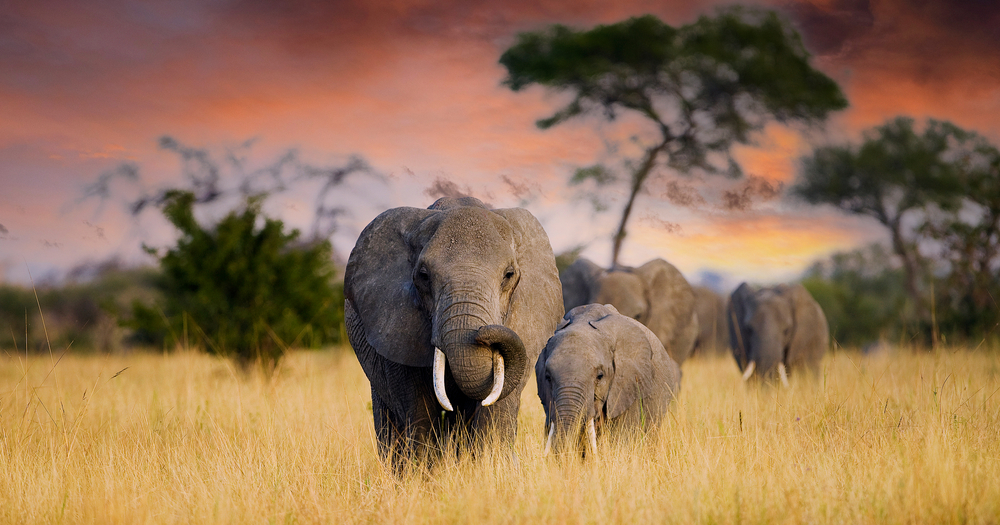
Wildlife is one of the park’s greatest assets. Large mammals commonly found within Rumanyika-Karagwe include elephant, buffalo, giraffe, zebra, eland, impala, topi, and several other antelope species. Predators such as leopard, lion, and spotted hyena also inhabit the park, although sightings can be less frequent due to the dense vegetation in some areas. Primates, including baboons and vervet monkeys, are regularly encountered throughout the landscape.
The park also supports a rich diversity of birdlife, attracting birdwatchers with species ranging from raptors and hornbills to kingfishers, storks, and colorful woodland birds. The combination of varied habitats and relatively low human disturbance creates favorable conditions for many species to thrive.
Rumanyika-Karagwe National Park plays a critical role in protecting northwestern Tanzania’s natural heritage. The park safeguards important miombo woodland ecosystems, seasonal wetlands, and wildlife corridors that help maintain ecological connectivity across the region. These habitats support species that depend on large, intact landscapes for survival. The park’s conservation significance is comparable to other important East African woodland reserves that preserve biodiversity outside the continent’s more famous savanna ecosystems.
As pressures from agriculture and human settlement continue to increase across the region, Rumanyika-Karagwe serves as a valuable refuge for wildlife and native vegetation. Its establishment reflects Tanzania’s ongoing commitment to expanding protected areas and conserving ecosystems that might otherwise be overlooked. Today, the park stands as an emerging conservation destination where visitors can experience a quieter side of Africa while supporting the protection of one of Tanzania’s newest national parks.
Things to See
Things To Do
Engaging Rumanyika-Karagwe National Park
