

About
Mahale Mountains National Park is located along the eastern shore of Lake Tanganyika in western Tanzania. The park covers approximately 613 square miles (1,589 sq km) and lies south of the nearby Gombe National Park.
Established in 1985, Mahale Mountains National Park protects one of the most spectacular and biologically rich landscapes in East Africa. Accessible primarily by boat or small aircraft, the park remains one of Tanzania’s most remote wilderness destinations. Its combination of forested mountains, crystal-clear lake waters, and world-famous chimpanzee populations makes it one of Africa’s most unique national parks.
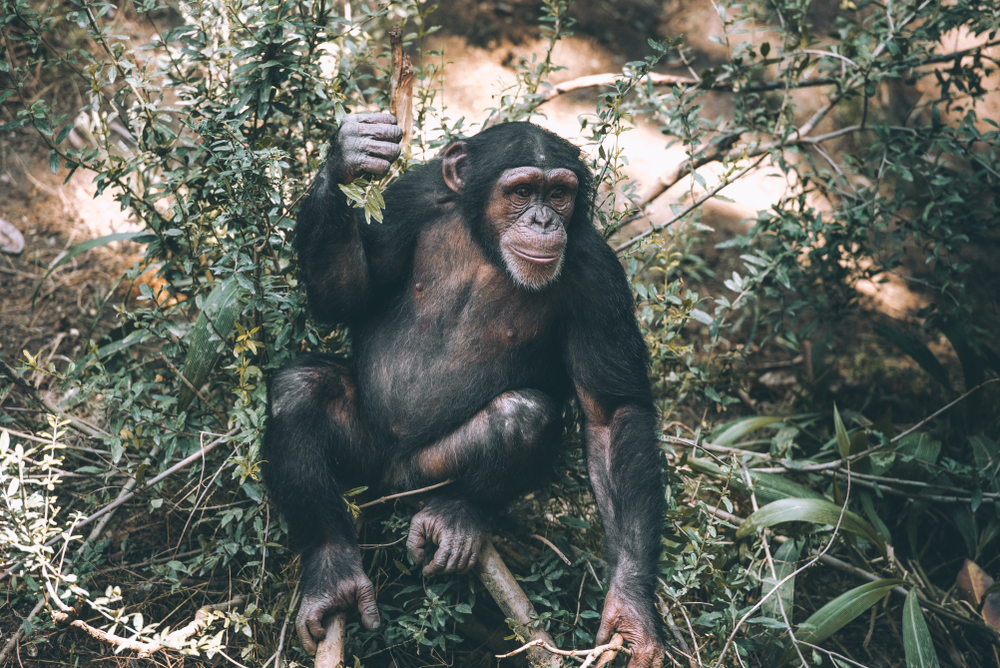
Mahale Mountains National Park is best known for its wild chimpanzees and exceptional primate viewing opportunities. The park contains one of the largest known populations of eastern chimpanzees, and visitors travel from around the world to observe these remarkable animals in their natural habitat.
Guided treks through the forest often provide unforgettable encounters with chimpanzee families as they forage, socialize, and move through the trees. Beyond chimpanzee tracking, visitors can enjoy hiking, kayaking, swimming, birdwatching, and exploring pristine beaches along Lake Tanganyika. The park’s isolation and natural beauty create an experience that feels both adventurous and deeply immersive.
The geography of Mahale Mountains National Park is dominated by the dramatic Mahale Mountain Range, which rises steeply from the shores of Lake Tanganyika. The park’s highest peak, Mount Nkungwe, reaches approximately 8,069 feet (2,460 meters), making it one of the highest mountains bordering the lake.
Dense tropical forests blanket the slopes, while streams and waterfalls descend toward the shoreline. Along the lake, sandy beaches and rocky coves contrast beautifully with the forested mountains above. Vegetation varies with elevation and includes tropical rainforest, montane forest, woodland, and bamboo habitats. This remarkable diversity of ecosystems contributes significantly to the park’s extraordinary biodiversity.
Wildlife is one of Mahale’s greatest attractions. In addition to its famous chimpanzees, the park supports numerous other primate species including red colobus monkeys, red-tailed monkeys, blue monkeys, and yellow baboons. Forest elephants, bushpigs, and several small carnivores also inhabit the park, although they are often difficult to observe due to the dense vegetation.
Birdlife is abundant, with hundreds of recorded species ranging from colorful forest birds to fish eagles and kingfishers along the lake shore. Lake Tanganyika itself contains one of the world’s richest freshwater fish communities, including many colorful cichlid species found nowhere else on Earth. The combination of terrestrial and aquatic biodiversity makes the park exceptionally important for conservation.
Mahale Mountains National Park plays a critical role in protecting one of Africa’s most significant chimpanzee habitats and one of the continent’s most diverse ecosystems. The park safeguards extensive tropical forests, mountain habitats, and freshwater environments that support numerous endemic and threatened species.
Its importance is often compared to renowned primate conservation areas such as Bwindi Impenetrable National Park and Volcanoes National Park, though Mahale’s combination of mountains and lakeshore habitats is uniquely its own. By preserving this extraordinary wilderness, Mahale Mountains National Park protects an irreplaceable part of Africa’s natural heritage and offers visitors one of the most remarkable wildlife experiences on the continent.
Things to See
Things To Do
Engaging Mahale Mountains National Park
