

About
Kigosi National Park is located in western Tanzania, spanning portions of the Shinyanga, Tabora, and Kigoma regions. The park covers approximately 3,193 square miles (8,270 sq km), making it one of the largest national parks in Tanzania.
Established in 2019 after being upgraded from the Kigosi Game Reserve, the park forms part of an extensive wilderness landscape that includes the nearby Ugalla River National Park and other protected ecosystems in western Tanzania. Its vast wetlands, woodlands, and river systems create one of East Africa’s most important yet least-known conservation areas.
Kigosi National Park is best known for its extensive floodplains, seasonal wetlands, and remote wilderness character. Unlike the open savannas that dominate many of Tanzania’s famous safari destinations, Kigosi offers visitors a landscape shaped by water and dense vegetation.
The park’s isolation has helped preserve large areas of habitat that remain largely untouched by modern development. Visitors who venture into Kigosi discover a wild and authentic environment where wildlife thrives across expansive landscapes. The park’s rivers, marshes, and woodlands provide excellent opportunities for wildlife viewing, birdwatching, photography, and nature exploration in a setting far removed from crowded tourist routes.
The geography of Kigosi National Park is dominated by wetlands, floodplains, rivers, and miombo woodlands. The Malagarasi River system, one of Tanzania’s most significant river networks, influences much of the park’s ecology. Seasonal flooding nourishes extensive marshes and grasslands that support a remarkable variety of wildlife.
Dense stands of miombo woodland cover large portions of the park, interspersed with open plains, riverine forests, and wetland habitats. During the rainy season, water transforms much of the landscape, creating a dynamic ecosystem that changes dramatically throughout the year. These diverse habitats support exceptional biological diversity and contribute to the park’s ecological importance.
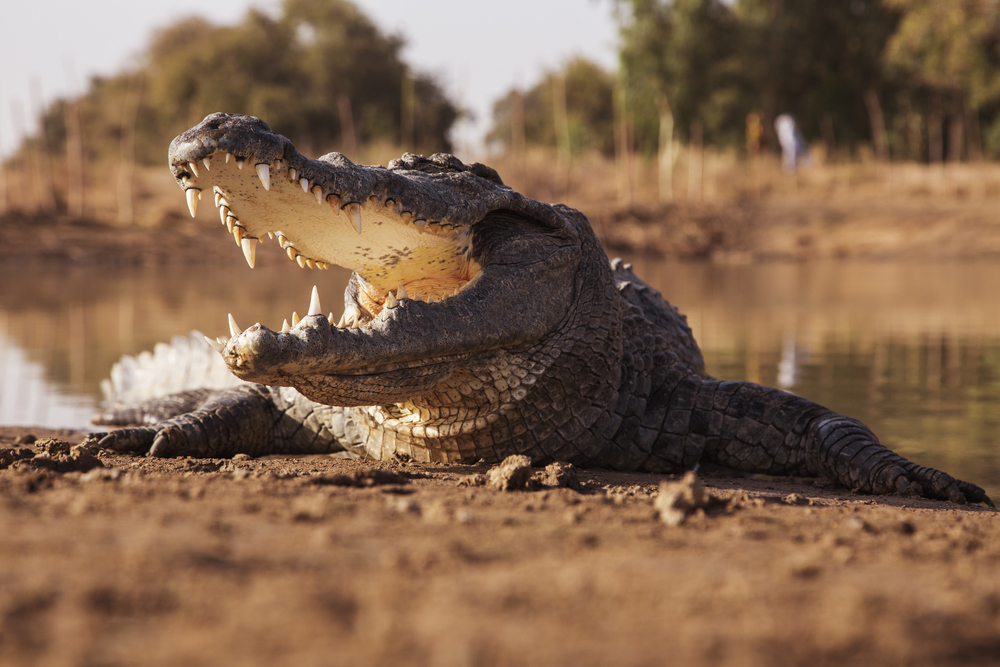
Wildlife flourishes within Kigosi National Park. Large mammals include elephant, African buffalo, giraffe, zebra, topi, roan antelope, sable antelope, and numerous other herbivores. Predators such as lion, leopard, spotted hyena, and African wild dog also inhabit the park. The extensive wetlands provide critical habitat for hippos, crocodiles, and aquatic species that depend on permanent water sources.
Birdlife is especially abundant, attracting birdwatchers from around the world. Herons, storks, kingfishers, fish eagles, bee-eaters, and numerous migratory birds can be observed throughout the park’s wetlands and woodlands. The combination of terrestrial and aquatic habitats creates one of the richest wildlife communities in western Tanzania.
Kigosi National Park plays a vital role in protecting one of East Africa’s largest wetland ecosystems. The park safeguards critical habitat for threatened species while preserving ecological processes that sustain wildlife populations across a vast region. Its wetlands serve as important breeding, feeding, and migration areas for birds and other wildlife.
In terms of ecological significance, Kigosi can be compared to major African wetland conservation areas such as Okavango Delta and Bangweulu Wetlands, although it remains far less known internationally. As human pressures continue to increase across many parts of Africa, Kigosi National Park stands as a crucial refuge for biodiversity and a powerful example of Tanzania’s commitment to conserving large, functioning ecosystems for future generations.
Things to See
Things To Do
Engaging Kigosi National Park
