

About
Western Area National Park, known locally as Parc National de la Zone de l’Ouest, is a protected natural reserve located on the Freetown Peninsula in Sierra Leone. Spanning approximately 17,000 hectares (42,000 acres), this park is a crucial green oasis just outside the bustling capital city of Freetown. Established to protect the region’s rich biodiversity and scenic landscapes, it is a unique mix of mountains, coastal forests, and marine ecosystems, offering a remarkable retreat for nature lovers and adventurers alike.
The park is characterized by its lush tropical forests, rugged hills, and stunning coastline that stretches along the Atlantic Ocean. Picket Hill, the highest peak in the park, rises to an impressive 888 meters (2,913 feet) above sea level, offering spectacular views of the Freetown Peninsula and the surrounding ocean. Its dense forests are punctuated with streams and hidden waterfalls, creating a tranquil environment perfect for exploration and wildlife spotting.
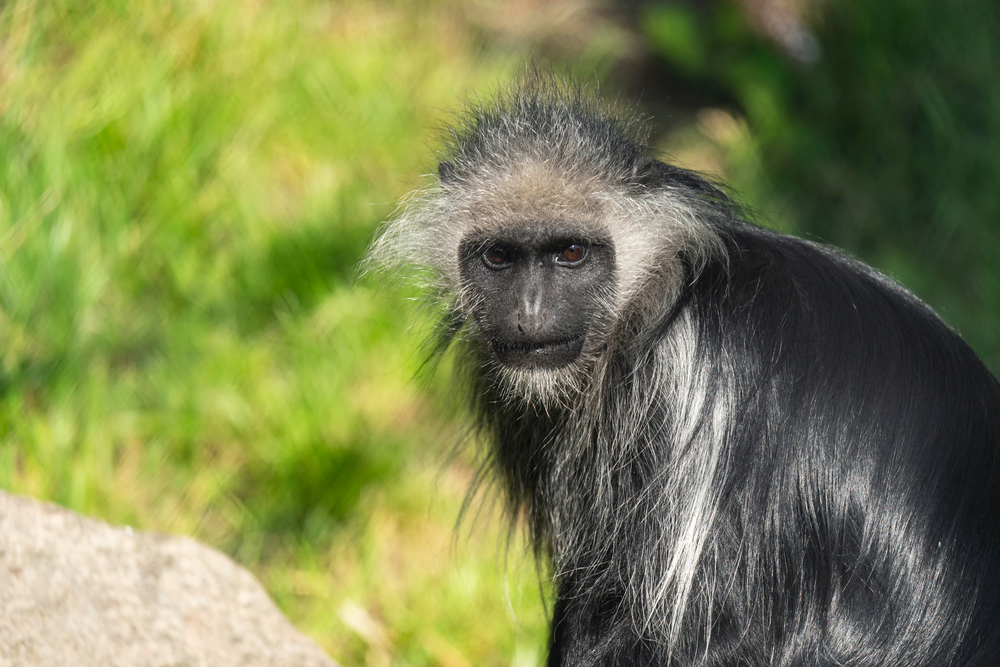
Western Area National Park is renowned for its diverse flora and fauna. The park’s forests are home to a range of primates, including chimpanzees, black-and-white colobus monkeys, and sooty mangabeys, which can often be seen swinging through the canopy. Other mammals, such as duikers, genets, and forest buffaloes, roam the dense undergrowth. The park also provides critical habitat for reptiles like monitor lizards and amphibians, including colorful tree frogs.
The birdlife in Western Area National Park is equally impressive, with over 300 recorded species making it a paradise for birdwatchers. Notable species include the white-necked picathartes (rockfowl), great blue turaco, pied crow, and the vibrant sunbirds, which add splashes of color to the green canopy. Coastal areas within the park feature mangroves and tidal flats that attract seabirds, further enhancing the park’s avian diversity.
In addition to its natural beauty, Western Area National Park is recognized for its critical role in conserving Sierra Leone’s endangered species. The park is home to a significant population of western chimpanzees, a subspecies listed as critically endangered. Conservation initiatives led by the Tacugama Chimpanzee Sanctuary, located within the park’s boundaries, focus on rescuing and rehabilitating orphaned chimpanzees while promoting community education and sustainable tourism.
The park’s proximity to Freetown makes it easily accessible for visitors seeking outdoor adventure. Hiking trails lead through the dense forest to breathtaking viewpoints, waterfalls, and hidden streams, offering visitors opportunities to experience the serenity of the wilderness. Birdwatching tours, wildlife treks, and guided walks provide immersive experiences for nature enthusiasts, while the park’s coastal regions offer scenic beaches perfect for relaxation.
In summary, Western Area National Park is a vital ecological and recreational gem in Sierra Leone. Its lush forests, towering peaks, and diverse wildlife make it an essential destination for conservation efforts and eco-tourism. The park’s balance of natural beauty and accessibility allows visitors to connect with nature while supporting the preservation of its unique biodiversity.
Things to See
Things To Do
Engaging Western Area National Park
