

About
Blue Lagoon National Park, known locally as Paki ya Blue Lagoon, is a tranquil and picturesque protected area located in Zambia’s Central Province, just 120 kilometers (75 miles) west of Lusaka. Covering approximately 500 square kilometers (193 square miles), this wetland sanctuary forms part of the Kafue Flats, a vast floodplain ecosystem fed by the Kafue River. Originally established as a private hunting reserve, Blue Lagoon was designated a national park in 1976 and has since become a haven for birdlife and aquatic wildlife. Its accessibility and peaceful ambiance make it an appealing destination for nature lovers and eco-tourists.
The park’s landscape is dominated by seasonal floodplains, shallow lagoons, and patches of acacia woodlands. While Blue Lagoon National Park lacks towering mountains or waterfalls, its charm lies in the ever-changing wetlands that transform dramatically with the seasons. During the rainy season, the plains are submerged, creating shimmering water expanses that support a vibrant array of flora and fauna. In the dry season, the water recedes to reveal lush grazing grounds, drawing wildlife from far and wide to the rich feeding areas.
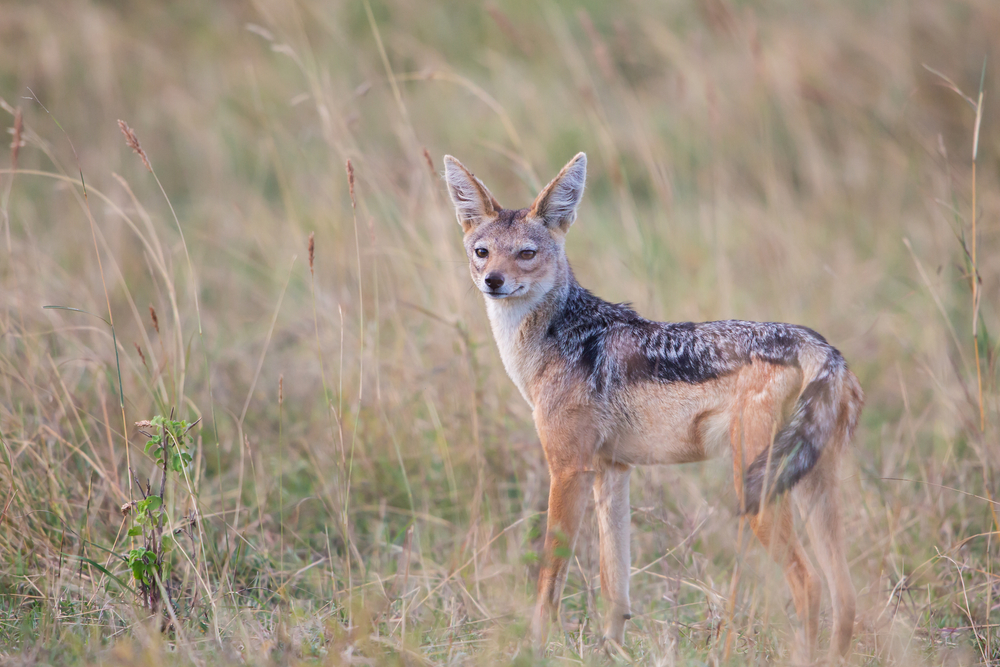
Blue Lagoon is renowned for its large herds of Kafue lechwe, a semi-aquatic antelope that thrives in the floodplain’s shallow waters. These graceful creatures, endemic to the Kafue Flats, are often seen wading through lagoons in large numbers, creating a spectacular sight for visitors. Other wildlife includes sitatunga antelopes, warthogs, zebras, and buffalo, while hippos and crocodiles occupy the lagoons and river channels. Predators such as jackals and servals add to the park’s diverse ecosystem, though sightings remain a rare and exciting reward for observant visitors.
Birdlife is the undisputed highlight of Blue Lagoon National Park, making it one of Zambia’s premier birdwatching destinations. With over 400 recorded bird species, the park’s wetlands are alive with the calls and colors of avian life. Notable species include the wattled crane, African open-billed stork, saddle-billed stork, and the striking malachite kingfisher. During the wet season, flocks of pink flamingos and pelicans add to the stunning scenery, while migratory species further enrich the birding experience.
Conservation in Blue Lagoon National Park focuses on protecting the Kafue Flats and its fragile ecosystems. Efforts by Zambia’s Department of National Parks and Wildlife, alongside local communities, aim to combat poaching and habitat encroachment. Sustainable tourism initiatives and community involvement have become vital in safeguarding the park’s natural resources and ensuring that its biodiversity continues to thrive.
Visitors to Blue Lagoon National Park can enjoy a variety of activities, including birdwatching, game drives, and guided nature walks. The serene floodplain landscapes are particularly captivating during sunrise and sunset, offering perfect opportunities for photography. With its peaceful environment and abundant wildlife, Blue Lagoon is an ideal destination for day trips or weekend getaways from Lusaka, providing a quiet escape into nature.
In summary, Blue Lagoon National Park is a wetland paradise, celebrated for its rich birdlife, endemic Kafue lechwe, and seasonal floodplain beauty. Its ongoing conservation efforts and serene charm make it a must-visit for those seeking to explore Zambia’s tranquil wilderness.
Things to See
Things To Do
Engaging Blue Lagoon National Park
