

About
Hwange National Park is located in western Zimbabwe between the cities of Bulawayo and Victoria Falls. The park covers approximately 5,657 square miles (14,651 sq km), making it the largest national park in Zimbabwe.
Established in 1928 as a game reserve and later designated a national park in 1961, Hwange lies southeast of Victoria Falls National Park and forms part of a broader transboundary conservation landscape that connects with protected areas in Botswana, Zambia, and Namibia. Its immense size, diverse habitats, and exceptional wildlife populations have earned Hwange a reputation as one of Africa’s premier safari destinations and one of the continent’s most important conservation areas.
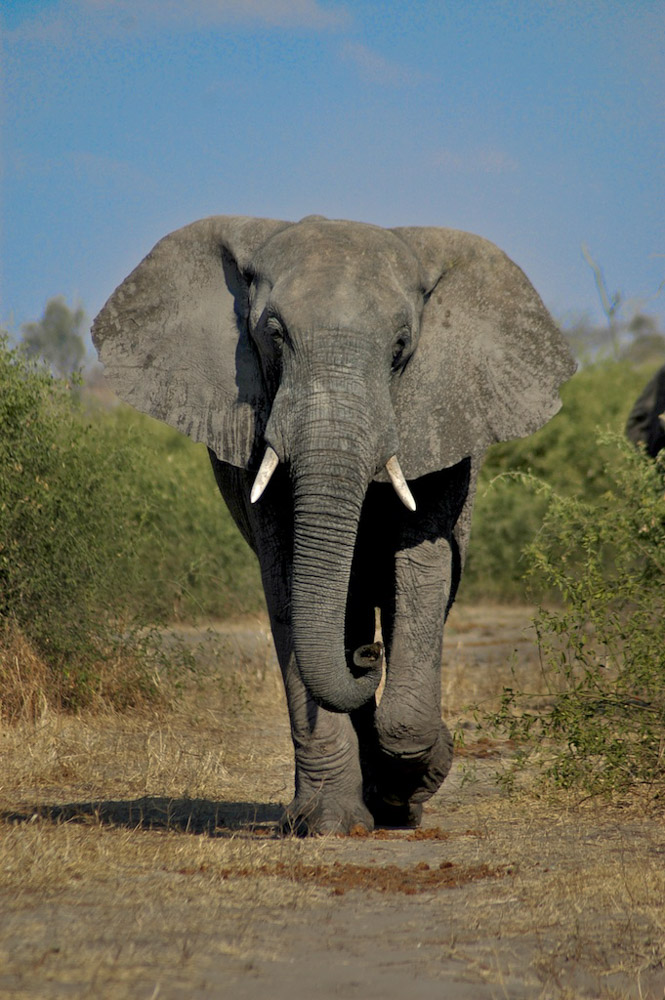
Hwange National Park is best known for its enormous elephant population, vast wilderness, and outstanding wildlife viewing opportunities. The park supports one of the largest elephant populations in Africa, with tens of thousands of elephants roaming its grasslands and woodlands.
Visitors are drawn by the opportunity to experience classic African safaris in a landscape that remains remarkably wild and uncrowded. Numerous waterholes, many maintained through conservation efforts, attract wildlife throughout the dry season and provide exceptional opportunities for observation and photography. Game drives, walking safaris, birdwatching, and overnight stays in remote wilderness camps allow visitors to experience the park’s extraordinary natural beauty and abundant wildlife.
The geography of Hwange National Park is characterized by expansive savannas, teak woodlands, grasslands, seasonal wetlands, and sandy soils that reflect the region’s semi-arid environment. The park sits on the edge of the Kalahari Basin, which influences much of its terrain and vegetation.
Unlike parks dominated by major rivers, Hwange relies heavily on seasonal rainfall and artificial waterholes to support wildlife during dry periods. The landscape includes open plains, mopane woodlands, acacia forests, and scattered salt pans that create a variety of habitats for wildlife. This ecological diversity contributes significantly to the park’s remarkable species richness and scenic appeal.
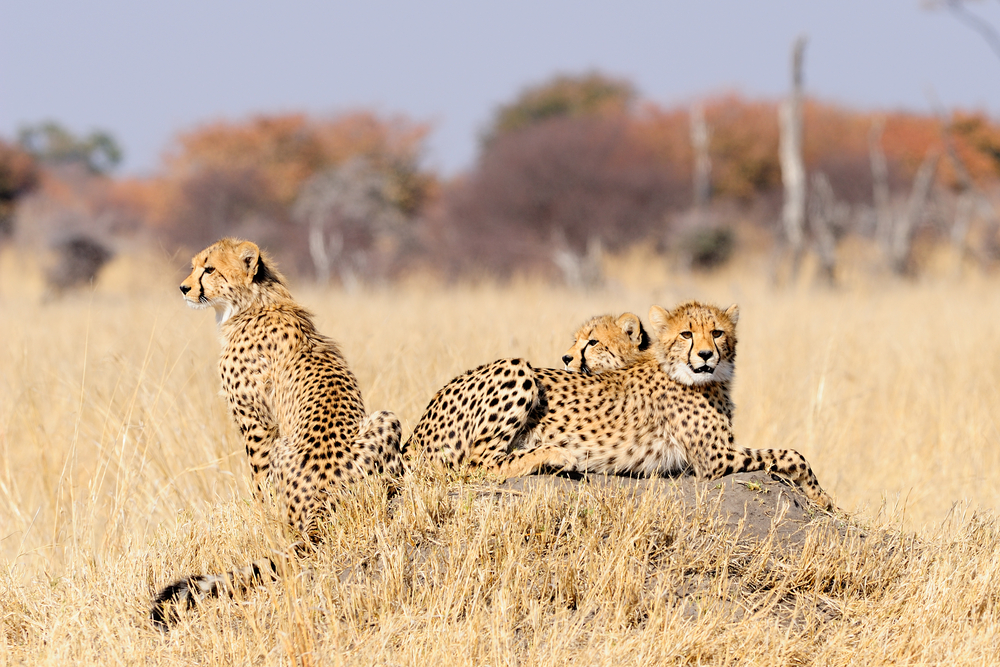
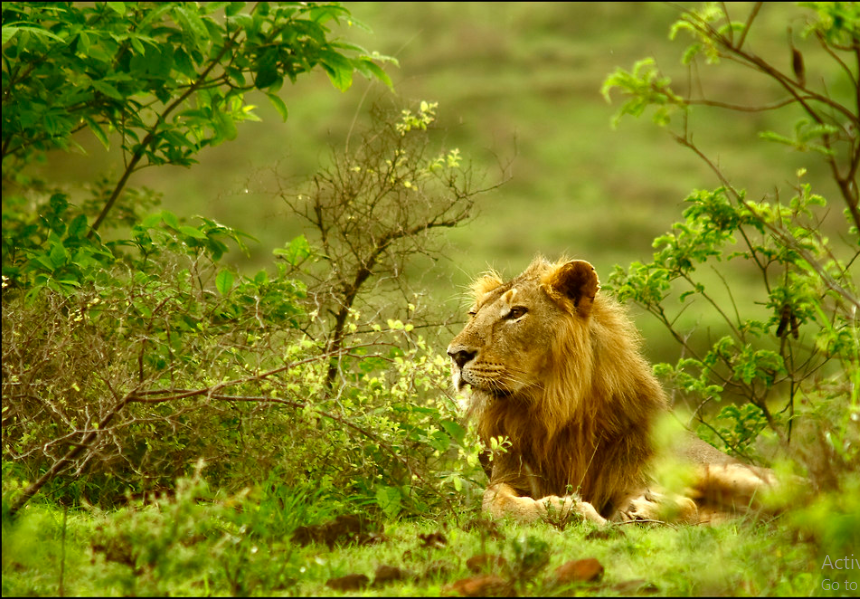
Wildlife within Hwange National Park is among the most impressive in Africa. In addition to its famous elephant herds, the park supports large populations of African buffalo, giraffe, zebra, wildebeest, sable antelope, roan antelope, eland, and numerous other herbivores. Predators include lion, leopard, cheetah, spotted hyena, and African wild dog.
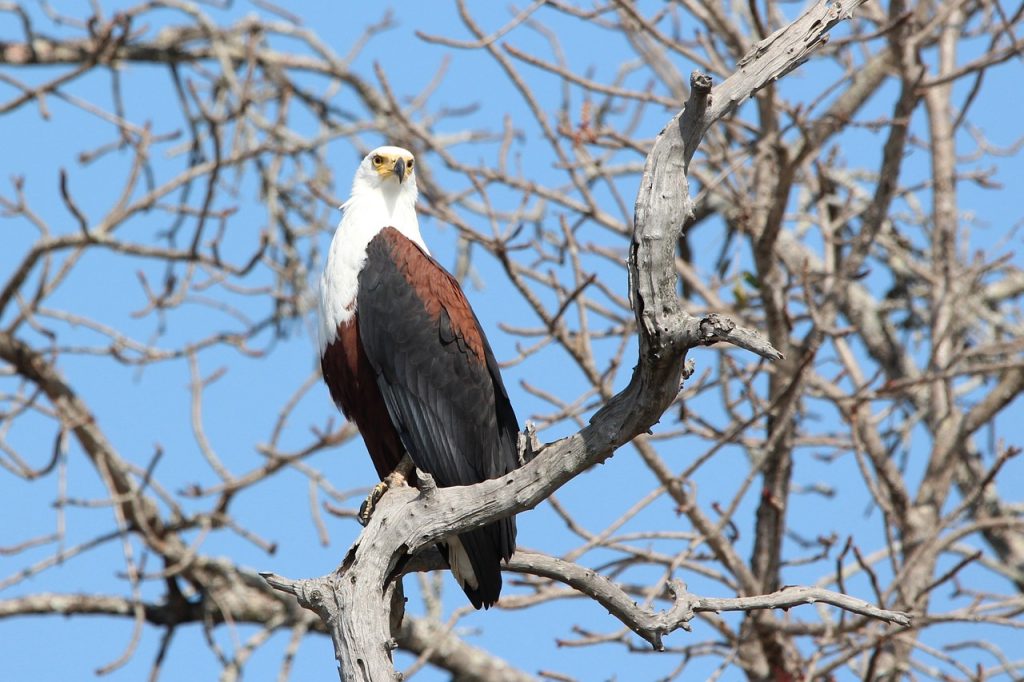
Hwange is particularly important for the conservation of African wild dogs, one of the continent’s most endangered carnivores. Birdlife is equally diverse, with more than 400 recorded species inhabiting the park. Raptors, hornbills, storks, kingfishers, bee-eaters, and migratory birds thrive across the park’s varied habitats. The abundance and diversity of wildlife make Hwange one of southern Africa’s most rewarding safari destinations.
Hwange National Park plays a critical role in protecting one of Africa’s largest remaining wilderness ecosystems. The park safeguards extensive migration routes, supports internationally significant elephant and predator populations, and preserves habitats that are increasingly rare elsewhere on the continent.
Its conservation importance is often compared to renowned parks such as Kruger National Park and Chobe National Park because of its wildlife abundance and ecological significance. However, Hwange’s combination of Kalahari-influenced landscapes, immense elephant herds, and relatively low visitor density gives it a distinctive character all its own. Today, Hwange National Park remains the cornerstone of Zimbabwean conservation and one of Africa’s greatest wildlife sanctuaries.
Things to See
Things To Do
Engaging Hwange National Park
