

About
Nyanga National Park is located in eastern Zimbabwe along the border with Mozambique within the country’s scenic Eastern Highlands. The park covers approximately 182 square miles (471 sq km) and protects some of Zimbabwe’s highest mountains, deepest valleys, and most spectacular landscapes.
Established in 1926, Nyanga is one of Zimbabwe’s oldest national parks and lies north of the nearby Chimanimani National Park. The park encompasses the country’s highest peak, Mount Nyangani, and forms part of a broader highland ecosystem known for its cool climate, lush vegetation, and exceptional natural beauty. Its dramatic scenery and diverse outdoor recreation opportunities have made it one of Zimbabwe’s most beloved protected areas.
Nyanga National Park is best known for its breathtaking mountain vistas, waterfalls, trout streams, and hiking opportunities. Unlike Zimbabwe’s famous wildlife safari parks, Nyanga attracts visitors seeking outdoor adventure and scenic exploration in a highland setting. Mount Nyangani, rising to approximately 8,504 feet (2,592 meters), offers challenging hikes and panoramic views across the Eastern Highlands.
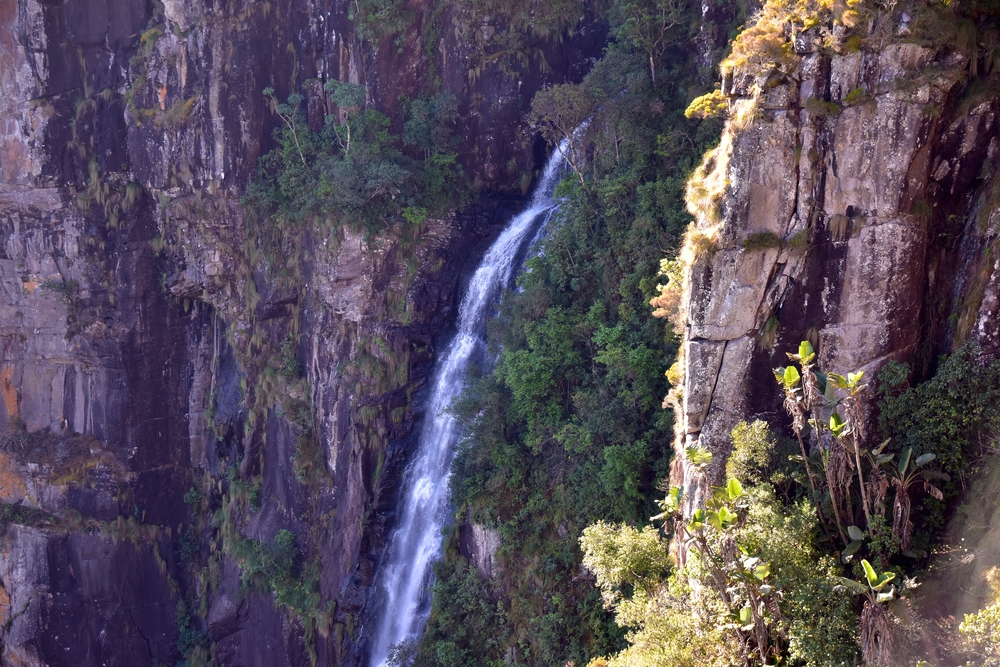
Other popular attractions include the picturesque Pungwe Gorge, Mutarazi Falls, and numerous rivers that wind through rolling grasslands and forested valleys. Visitors can enjoy hiking, fishing, horseback riding, birdwatching, and nature photography while experiencing some of the most beautiful landscapes in southern Africa.
The geography of Nyanga National Park is defined by rugged mountains, deep valleys, rolling plateaus, rivers, and waterfalls. The park’s elevation creates a cool, temperate climate that differs significantly from much of Zimbabwe. Numerous rivers originate within the highlands, including tributaries that contribute to major regional watersheds. Grasslands dominate much of the higher elevations, while forests, heathlands, and riverine vegetation occupy sheltered valleys and slopes.
Mutarazi Falls, Zimbabwe’s highest waterfall, plunges more than 2,500 feet (762 meters) through a dramatic gorge, creating one of the country’s most impressive natural landmarks. The park’s varied topography supports a rich diversity of habitats and contributes to its exceptional scenic appeal.
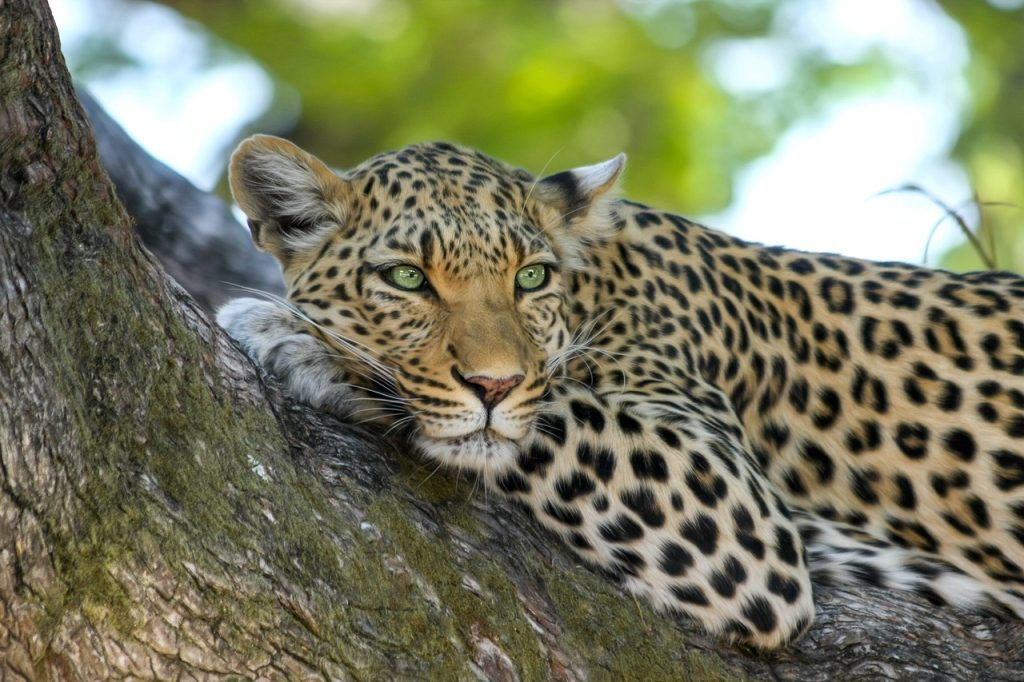
Wildlife within Nyanga National Park is adapted to the cooler mountain environment. Mammals include sable antelope, kudu, waterbuck, reedbuck, bushbuck, leopard, and several smaller species. Although large predators are uncommon, the park supports a healthy diversity of herbivores and mountain wildlife.
Birdlife is particularly notable, with species such as the blue swallow, augur buzzard, crowned eagle, and numerous montane forest birds inhabiting the region. The park’s rivers and wetlands support amphibians, reptiles, and aquatic life, while its grasslands provide habitat for a variety of insects and small mammals. The combination of highland ecosystems and relatively isolated habitats has allowed unique plant and animal communities to flourish.
Nyanga National Park plays a critical role in protecting Zimbabwe’s montane ecosystems, watersheds, and biodiversity. The park safeguards important headwaters that provide freshwater resources for surrounding regions while preserving habitats for rare plants and wildlife. Its conservation significance is often compared to highland protected areas such as Drakensberg uKhahlamba Park and Mount Elgon National Park, where mountain environments support unique ecological communities.
However, Nyanga’s rolling highland landscapes, dramatic waterfalls, and temperate climate give it a distinctive character all its own. Today, the park remains one of Zimbabwe’s premier natural destinations, protecting a remarkable blend of scenic beauty, biodiversity, and outdoor recreation opportunities for future generations.
Things to See
Things To Do
Engaging Nyanga National Park
