

About
Rusizi National Park, known locally as Parc National de la Rusizi in French, is located in western Burundi along the northeastern shores of Lake Tanganyika near the city of Bujumbura. The park covers approximately 41 square miles (106 sq km) and follows the lower reaches of the Rusizi River as it flows into Lake Tanganyika.
Established in 1983, Rusizi National Park is one of Burundi’s most important wetland conservation areas. It lies west of Kibira National Park and complements the country’s network of protected areas by preserving critical riverine and lakeshore ecosystems. Its proximity to Burundi’s largest city makes it one of the nation’s most accessible national parks.
Rusizi National Park is best known for its rich wetland habitats, abundant hippopotamus populations, and exceptional birdwatching opportunities. Visitors are drawn to the park’s scenic waterways, where boat excursions provide close views of wildlife along the riverbanks. The combination of the Rusizi River, floodplains, and Lake Tanganyika creates a dynamic environment that supports a remarkable variety of species.
Unlike mountainous forest parks elsewhere in Burundi, Rusizi offers expansive wetlands and open landscapes where wildlife can be observed more easily. The park’s accessibility and biodiversity make it a popular destination for nature enthusiasts, photographers, and birdwatchers.
The geography of Rusizi National Park is shaped by the Rusizi River and its extensive floodplain system. The river forms part of the border between Burundi and the Democratic Republic of the Congo before flowing into Lake Tanganyika. The park contains wetlands, marshes, riverine forests, grasslands, and delta habitats that provide essential ecological functions.
Seasonal flooding replenishes soils and supports productive vegetation throughout the area. Dense stands of papyrus, reeds, and aquatic plants dominate many wetland sections, while grasslands and wooded areas occupy higher ground. The interaction between freshwater and lakeshore ecosystems creates a diverse landscape that sustains a wide range of wildlife.
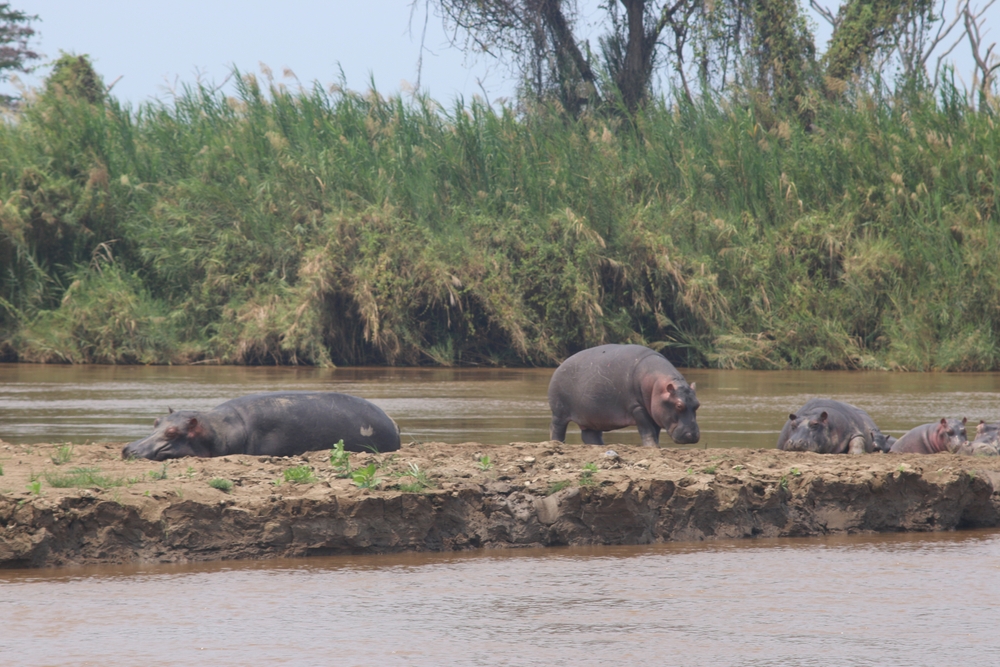
Wildlife is one of the park’s greatest attractions. Hippopotamuses are particularly abundant and represent one of the largest concentrations of the species in Burundi. Nile crocodiles are also commonly observed along the riverbanks and in associated waterways. Other mammals include sitatunga, bushbuck, vervet monkeys, and several smaller species adapted to wetland environments.
Birdlife is exceptionally rich, with more than 200 recorded species utilizing the park’s habitats. African fish eagles, herons, kingfishers, storks, pelicans, bee-eaters, and numerous migratory birds can be found throughout the year. The abundance of water and diverse vegetation make Rusizi one of Burundi’s most important refuges for aquatic and wetland-dependent wildlife.
Rusizi National Park plays a vital role in conserving one of Burundi’s most significant wetland ecosystems. The park protects habitats that support hippopotamuses, crocodiles, waterbirds, and numerous fish species while helping maintain the ecological health of the Rusizi River and Lake Tanganyika basin. Its conservation importance is comparable to other African wetland reserves where river systems support exceptional biodiversity and provide essential ecosystem services.
Although smaller than many of East Africa’s famous parks, Rusizi’s wetlands are critically important for wildlife conservation and regional water resources. Today, the park remains a valuable sanctuary for biodiversity and an important example of how protected wetlands contribute to both environmental sustainability and the preservation of natural heritage in Burundi.
Things to See
Things To Do
Engaging Rusizi National Park

FAQ’s
What is the main reason people visit Rusizi National Park?
Rusizi National Park is primarily visited for its hippopotamus viewing, birdwatching, and wetland ecosystems. Located near the northern shores of Lake Tanganyika and the Rusizi River Delta, the park protects one of Burundi’s most important aquatic habitats.
Visitors come to see large pods of hippos, Nile crocodiles, diverse waterbirds, and the scenic landscapes where the Rusizi River flows into one of Africa’s deepest lakes. Its proximity to Bujumbura also makes it the most accessible national park in Burundi.
What animals can visitors hope to see in Rusizi National Park?
Rusizi National Park supports approximately 45 mammal species and more than 15 reptile species. While it is smaller than Burundi’s other national parks, it is one of the country’s best locations for viewing aquatic wildlife and wetland-dependent animals.
Some of the most popular animals found in Rusizi National Park include:
- Hippopotamus
- Nile Crocodile
- Bushbuck
- Sitatunga
- Defassa Waterbuck
- Common Reedbuck
- Bohor Reedbuck
- Warthog
- Bush Pig
- Vervet Monkey
- Olive Baboon
- Blue Monkey
- Red-tailed Monkey
- African Civet
- Serval
- African Wildcat
- Large-spotted Genet
- Small-spotted Genet
- White-tailed Mongoose
- Marsh Mongoose
- Egyptian Mongoose
- Slender Mongoose
- Side-striped Jackal
- Spotted Hyena
- Leopard (very rare)
- African Clawless Otter
- Congo Clawless Otter
- Tree Hyrax
- African Hare
- Cane Rat
- Giant Pouched Rat
- Porcupine
- Sun Squirrel
- Ground Squirrel Species
- Fruit Bat Species
- Insectivorous Bat Species
- Dormouse Species
- Shrew Species
- Grass Rat Species
- Marsh Rat Species
- Water-associated Rodent Species
- Mole-Rat Species
- Bush Squirrel
- Four-toed Elephant Shrew
- Various Small Mammals
- African Soft-furred Rat
- Striped Ground Squirrel
- African Giant Rat
- Wetland Mouse Species
- Riverine Bat Species
What birds can visitors hope to see in Rusizi National Park?
Rusizi National Park is one of Burundi’s most important birdwatching sites, with more than 350 recorded bird species. The park hosts both resident and migratory birds that depend on the Rusizi Delta, riverine forests, marshes, and Lake Tanganyika shoreline habitats. It is particularly renowned for waterbirds and raptors.
Some of the most popular birds seen in Rusizi National Park include:
- African Fish Eagle
- Shoebill
- Saddle-billed Stork
- Yellow-billed Stork
- Marabou Stork
- African Openbill
- Woolly-necked Stork
- Sacred Ibis
- Glossy Ibis
- Hadada Ibis
- Goliath Heron
- Purple Heron
- Grey Heron
- Black-headed Heron
- Great Egret
- Intermediate Egret
- Little Egret
- Hamerkop
- African Spoonbill
- Pink-backed Pelican
- Great White Pelican
- White-faced Whistling Duck
- Egyptian Goose
- Spur-winged Goose
- Knob-billed Duck
- African Jacana
- Black Crake
- Allen’s Gallinule
- Purple Swamphen
- Pied Kingfisher
- Giant Kingfisher
- Malachite Kingfisher
- Woodland Kingfisher
- African Pygmy Kingfisher
- Lilac-breasted Roller
- Blue-cheeked Bee-eater
- Carmine Bee-eater
- African Grey Hornbill
- Black-and-White-Casqued Hornbill
- Secretarybird
- Bateleur
- Martial Eagle
- African Hawk-Eagle
- African Harrier-Hawk
- Tawny Eagle
- Augur Buzzard
- White-backed Vulture
- Village Weaver
- Southern Red Bishop
- Yellow-fronted Canary
Is Rusizi National Park worth visiting?
Yes, Rusizi National Park is worth visiting, particularly for birdwatchers, photographers, and travelers seeking a short wildlife excursion near Bujumbura. The opportunity to observe large hippo pods, crocodiles, and hundreds of bird species within a relatively compact area makes it one of Burundi’s most accessible wildlife destinations.
The primary limitation is that visitors should not expect classic East African safari experiences with large concentrations of lions, elephants, or extensive game drives. The park’s strengths lie in its wetlands, aquatic wildlife, and birdlife rather than large terrestrial mammals.
What is the best time to visit Rusizi National Park?
The best time to visit Rusizi National Park is during the dry season from June through September.
During these months:
- Roads and tracks are easier to navigate.
- Wildlife gathers around water sources.
- Boat excursions are more predictable.
- Birdwatching remains excellent.
The wet season can be especially rewarding for birdwatchers because migratory species are often present and wetland habitats become particularly productive.
How many days do you need to visit Rusizi National Park?
Most visitors need only 1 to 2 days to experience Rusizi National Park.
- Half-day visit: Hippo viewing and birdwatching.
- Full day: Wildlife viewing, photography, and exploring multiple habitats.
- 2 days: Comprehensive birdwatching and wetland exploration.
Because of its location near Bujumbura, many travelers visit as a day trip.
How do you get to Rusizi National Park?
Rusizi National Park is located approximately 15 kilometers northwest of Bujumbura.
Most visitors:
- Fly into Melchior Ndadaye International Airport.
- Travel by vehicle to the park entrance.
The journey typically takes less than 30 minutes from central Bujumbura, making it the easiest national park in Burundi to access.
Is Rusizi National Park safe for tourists?
Rusizi National Park is generally considered safe for tourists when visiting with authorized guides and following park regulations.
Visitors should:
- Remain inside designated viewing areas.
- Follow instructions regarding hippos and crocodiles.
- Travel with local guides when possible.
- Stay informed regarding current travel advisories.
Wildlife safety is particularly important around waterways where hippos and crocodiles are present.
Who is involved in protecting and supporting Rusizi National Park?
Several organizations help protect Rusizi National Park:
- Institut National pour l’Environnement et la Conservation de la Nature (INECN) – manages Burundi’s national parks and protected areas.
- Association Burundaise pour la Protection de la Nature (ABN) – supports environmental education and conservation initiatives.
- Association pour la Protection des Ressources Naturelles pour le Bien-Être de la Population au Burundi (APRN-BEPB) – works on natural resource conservation and community involvement.
- Local communities and fisheries groups that help support sustainable management of wetland resources surrounding the park.
What makes Rusizi National Park unique among Burundi's national parks?
Rusizi National Park is unique because it protects Burundi’s most important wetland ecosystem. While Kibira National Park is known for rainforest wildlife and Ruvubu National Park is known for savanna ecosystems, Rusizi National Park is renowned for its river delta, Lake Tanganyika shoreline, hippos, crocodiles, and exceptional waterbird diversity.