About

Hlane Royal National Park, the park is located in northeastern Eswatini (formerly Swaziland) within the country’s lowveld region. The park covers approximately 86 square miles (220 sq km) and is the largest protected area in Eswatini.

Established as a protected wildlife reserve under the authority of the Swazi monarchy, Hlane lies east of the Mlawula Nature Reserve and north of the Mbuluzi Game Reserve. The name “Hlane” means “wilderness” in Siswati, an appropriate description for a landscape that preserves some of southern Africa’s most important wildlife habitats. Today, the park serves as the flagship conservation area of Eswatini and attracts visitors from around the world.

Hlane Royal National Park is best known for its populations of large mammals, including lions, elephants, and both black and white rhinoceroses. As Eswatini’s premier safari destination, the park offers visitors opportunities to experience classic African wildlife viewing within a relatively compact and accessible setting.

Guided game drives, self-drive safaris, walking trails, and birdwatching excursions allow guests to explore the park’s diverse landscapes. The park is particularly renowned for its successful rhino conservation efforts and has become one of the most important strongholds for these threatened animals in southern Africa. Wildlife viewing is often excellent due to strategically located waterholes that attract animals throughout the year.

The geography of Hlane Royal National Park consists of open savannas, mixed woodlands, grasslands, and seasonal wetlands. The landscape is generally flat to gently rolling, with scattered rocky outcrops and clusters of indigenous trees. Acacia woodlands dominate portions of the park, while grass-covered plains provide ideal grazing habitat for herbivores.

Seasonal rainfall patterns influence vegetation growth and water availability, creating changing conditions throughout the year. Permanent waterholes serve as focal points for wildlife and provide excellent opportunities for observation. The park’s diverse habitats support a wide range of species and contribute significantly to its ecological value.

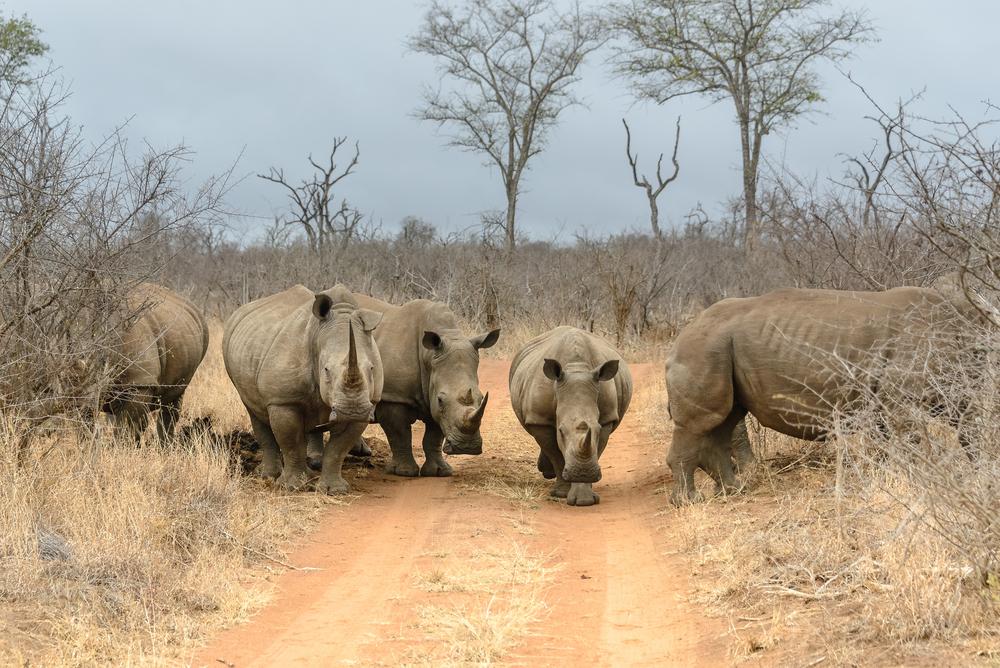
Wildlife is the primary attraction of Hlane Royal National Park. Large mammals include elephant, white rhinoceros, black rhinoceros, lion, giraffe, zebra, blue wildebeest, kudu, impala, and warthog. The park is one of the few places in Eswatini where visitors can reliably observe lions in a natural environment. Rhinos are a major conservation success story, with both species benefiting from intensive protection efforts.

Birdlife is equally impressive, with more than 300 recorded species inhabiting the park. Hlane is especially famous for its large breeding colony of white-backed vultures, one of the largest in Africa. Eagles, hornbills, storks, kingfishers, and numerous grassland birds further enrich the park’s biodiversity.

Hlane Royal National Park plays a critical role in conserving Eswatini’s natural heritage and protecting some of southern Africa’s most threatened wildlife species. The park safeguards important savanna ecosystems while supporting regional efforts to conserve rhinos, vultures, and other vulnerable animals. Its conservation significance is often compared to renowned protected areas such as Hluhluwe–iMfolozi Park and Kruger National Park because of its contributions to rhino conservation and wildlife management.

Although smaller than these parks, Hlane has become a vital sanctuary for biodiversity within Eswatini. Today, it remains one of the kingdom’s most treasured protected areas, offering visitors exceptional wildlife encounters while preserving a wilderness that reflects the country’s rich natural legacy.

Things to See

Popular

Hlane Royal National Park, situated in the Kingdom of Eswatini, is a sanctuary where a mix of iconic African wildlife thrives within expansive bushveld and savanna landscapes.

White Rhinoceros
These majestic herbivores roam the park’s grasslands, playing a vital role in shaping the vegetation and maintaining balance within the ecosystem.

Lion
A symbol of strength and grace, lions in the park inhabit open plains and woodlands, ruling as apex predators of their environment.

Elephant
Massive and intelligent, elephants traverse the park’s bushveld, leaving behind trails and helping to disperse seeds.

Giraffe
With their towering necks and distinctive coat patterns, giraffes browse the park’s treetops for leaves and shoots.

Blue Wildebeest
These sturdy grazers move in herds across the park’s grasslands, contributing to its ecological balance through grazing.

Zebra
Easily recognizable by their bold stripes, zebras are social animals that thrive in the park’s open landscapes.

Impala
Graceful and agile, impalas are commonly seen leaping through the park, often in large herds near waterholes.

Warthog
Known for their tusks and stout build, warthogs forage for roots and tubers, adding to the park’s diverse ecosystem.

Nyala
These striking antelope are often spotted near thickets or water, with males displaying elegant spiral horns.

Cheetah
A rare sight in the park, these swift predators blend into the grasslands, hunting with incredible speed and precision.

Birds

Hlane Royal National Park also offers an extraordinary array of birdlife, attracting bird enthusiasts from around the world.

Martial Eagle
This powerful bird of prey soars above the park, hunting for small mammals and reptiles.

African Fish Eagle
Known for its piercing call, this raptor is often spotted near water bodies, diving for fish with precision.

Lilac-breasted Roller
A vibrantly colored bird, it is frequently seen performing acrobatic flights across the park’s skies.

Crested Guineafowl
This ground-dwelling bird forages in groups across the park, distinguished by its unique crest.

Southern Ground Hornbill
A large, terrestrial bird, it strides through the savanna in search of insects and small prey.

Marabou Stork
This towering scavenger plays a vital role in the park’s ecosystem, cleaning up carrion.

Red-billed Oxpecker
Often found perched on large mammals, these birds help reduce parasites from their hosts.

Cape Turtle Dove
A common but melodious bird, its cooing calls add to the park’s tranquil ambiance.

African Jacana
Also known as the “lily trotter,” this bird’s long toes allow it to walk across floating vegetation near water.

Woodland Kingfisher
A brightly colored bird, it perches in trees near rivers, diving to catch small fish and insects.

Things To Do

Engaging Hlane Royal National Park

placeholder

Rhino Walks

Hlane Royal National Park offers guided walking tours, allowing visitors to get up close to the white rhinoceros. Accompanied by experienced rangers, participants trek through the park’s bushveld, learning about the rhinos’ behaviors and their role in the ecosystem.

These walks are conducted with safety and conservation in mind, creating a rare and humbling opportunity to observe these magnificent creatures in their natural environment.

placeholder

Game Drives

Game drives are one of the most popular ways to explore the park, offering visitors a chance to see the Big Five and other wildlife. Conducted in open safari vehicles, these drives traverse varied terrains, from open savannas to dense thickets.

Knowledgeable guides provide fascinating insights into the park’s flora and fauna, enhancing each encounter. Morning and evening drives are particularly rewarding, as they coincide with the times when wildlife is most active.

placeholder

Birdwatching

For bird enthusiasts, the park provides specialized birdwatching safaris, highlighting its rich avian diversity. Guided by ornithologists, these tours visit key habitats, such as waterholes and woodland areas, where species like the martial eagle and woodland kingfisher can be spotted.

With over 300 bird species recorded in the park, these safaris offer an exceptional experience for both novice and seasoned birdwatchers, emphasizing the park’s ecological importance.