

About
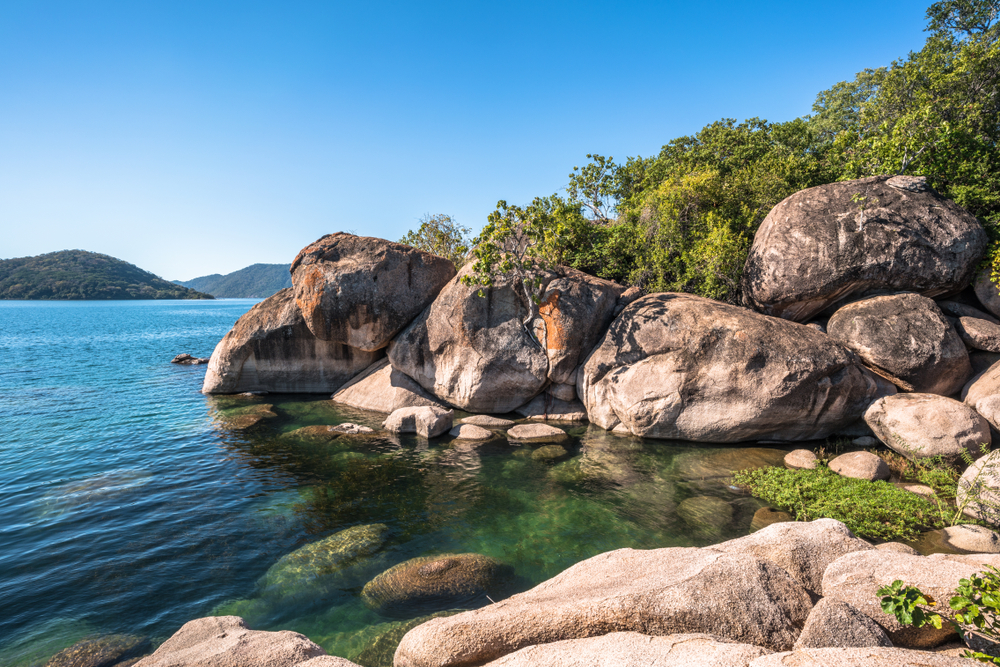
Lake Malawi National Park, locally known as “Parque Nacional do Lago Malawi”, is a UNESCO World Heritage Site and one of Malawi’s most iconic destinations. Established in 1980, this park is located at the southern tip of Lake Malawi, the third-largest lake in Africa, renowned for its crystal-clear waters, sandy beaches, and exceptional biodiversity. The park spans both terrestrial and aquatic environments, encompassing part of the lake, its shores, and several rocky islands.
The park is celebrated for its unique underwater ecosystem, hosting over 1,000 species of cichlid fish, many of which are endemic to Lake Malawi. These brightly colored fish are often referred to as “living jewels” and attract researchers, divers, and snorkelers from around the globe. The lake itself, known as the “Lake of Stars,” is a lifeline for the communities along its shores, providing water, food, and livelihoods.
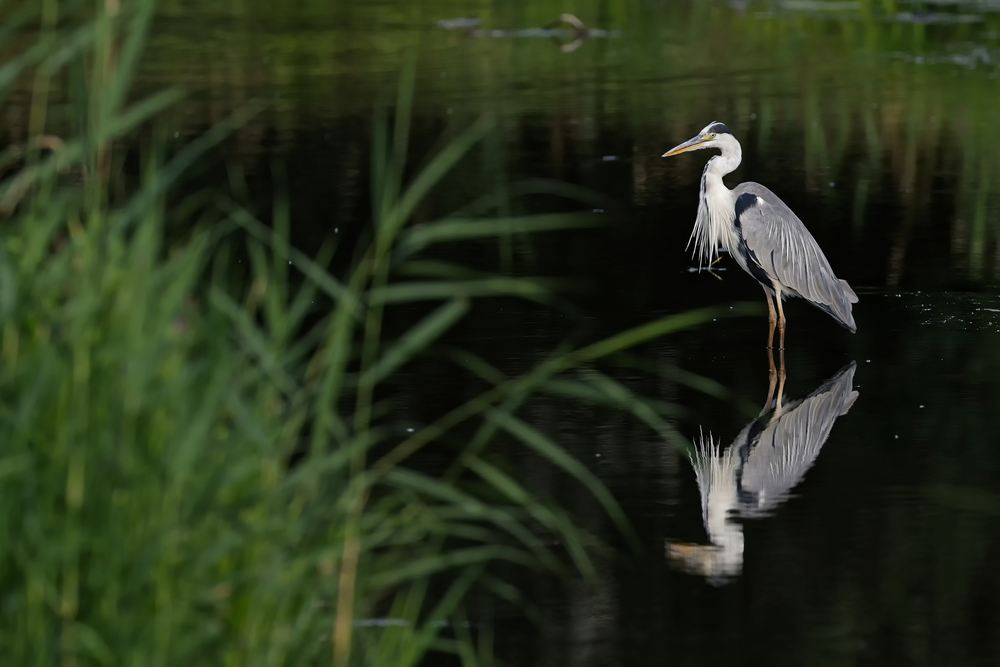
The terrestrial section of the park includes rolling hills, dense woodlands, and rocky outcrops that provide habitat for a variety of animals. Visitors might spot baboons, hippos, antelope, and even crocodiles along the shoreline. Birdlife is abundant, with species like the African fish eagle, white-breasted cormorant, and kingfishers often seen diving into the lake.
The park offers stunning landscapes, including views of the rugged Nankumba Peninsula and its nearby islands, such as Mumbo and Domwe, which are popular spots for kayaking and camping. While there are no towering mountains or significant waterfalls within the park, its natural beauty lies in the interplay of its terrestrial and aquatic environments.
Lake Malawi National Park is also a hub for water-based activities. Snorkeling and diving in the park reveal a vibrant underwater world teeming with cichlids and other fish species. The calm waters make it an ideal location for kayaking, boating, and swimming. Additionally, the park’s cultural heritage is reflected in the local fishing villages, where visitors can witness traditional fishing methods and experience the warm hospitality of the Malawian people.
Notable conservation efforts have been implemented to protect the park’s unique biodiversity and ecosystems. The park was designated as a UNESCO World Heritage Site in 1984, recognizing its ecological and cultural significance. Initiatives include monitoring fish populations, regulating fishing practices, and educating local communities about sustainable resource use. Collaborative efforts between the Malawian government and conservation organizations aim to balance the needs of the local population with the preservation of the park’s natural treasures.
In summary, Lake Malawi National Park is a destination that offers unparalleled biodiversity, natural beauty, and cultural richness. Its pristine waters, unique cichlid populations, and serene landscapes make it a must-visit for nature enthusiasts, divers, and eco-tourists. The park’s commitment to conservation ensures that its ecological and cultural heritage is preserved for generations to come.
Things to See
Things To Do
Engaging Lake Malawi National Park
