

About
Jebel Hassania National Park (Arabic: منتزه جبل الحساونية الوطني), also known as Jabal al-Hassawna National Park, is located in northwestern Libya within the Jebel Hassania region south of the Mediterranean coast. Established in the early 1990s as part of Libya’s national protected area system, the park covers approximately 486 square miles (1,260 sq km).
The protected area preserves a diverse landscape of rocky hills, desert plains, wadis, and semi-arid ecosystems that form an important transition zone between Libya’s coastal environments and the vast Sahara Desert. Although less well known internationally than many African national parks, Jebel Hassania serves as a valuable refuge for wildlife and native vegetation within an increasingly fragile region.
The park is best known for its rugged desert scenery and its role in protecting representative ecosystems of northwestern Libya. Visitors encounter a landscape shaped by wind, erosion, and seasonal rainfall, where rocky escarpments rise above expansive plains and dry valleys cut through the terrain. The park offers opportunities to experience Libya’s natural heritage beyond its famous archaeological sites and coastal attractions.
Scenic viewpoints provide sweeping vistas across the surrounding countryside, while seasonal wildflower blooms occasionally transform portions of the landscape following periods of rainfall. The sense of openness and solitude found within the park reflects the enduring character of North Africa’s semi-arid environments.
Geographically, Jebel Hassania National Park is dominated by low mountain ridges, rocky plateaus, shallow valleys, and desert grasslands. Elevations vary throughout the park, creating subtle differences in climate and vegetation. Seasonal wadis collect rainfall and provide temporary water sources that sustain wildlife and plant communities.
Vegetation is adapted to prolonged drought and includes acacia trees, tamarisk, desert shrubs, hardy grasses, and aromatic herbs. These plants play an important ecological role by stabilizing soils, reducing erosion, and providing food and shelter for animals. The park’s varied terrain supports greater biodiversity than might be expected in such an arid environment.
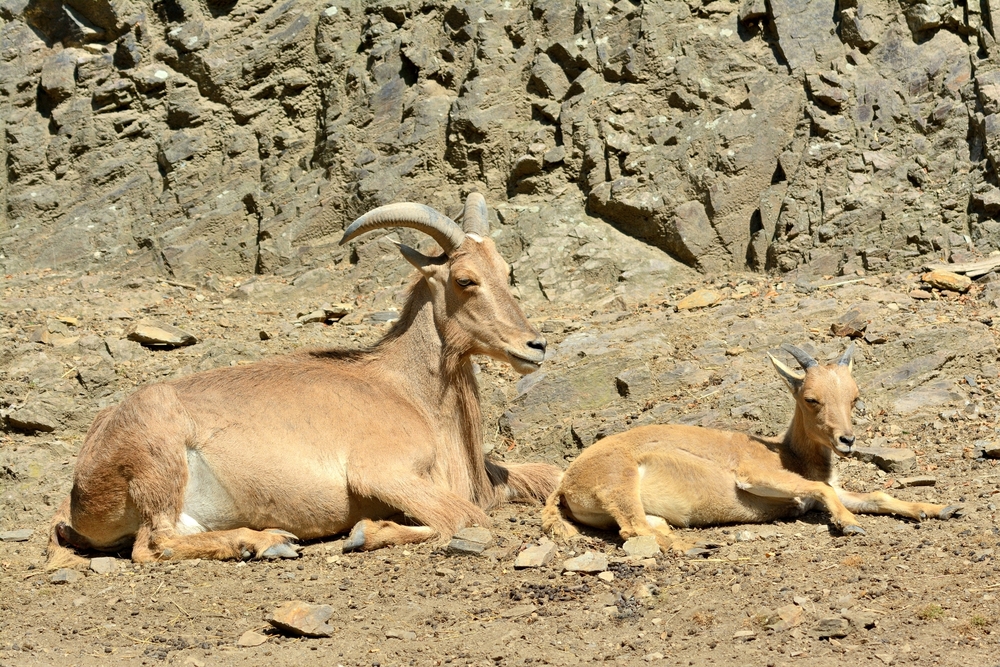
Wildlife within the park consists primarily of species adapted to dry and semi-desert habitats. Mammals may include fennec foxes, red foxes, hares, hedgehogs, gerbils, and other small desert-adapted species. Historically, gazelles occurred throughout parts of northwestern Libya, and protected areas such as Jebel Hassania help preserve suitable habitat for remaining populations.
Birdlife includes larks, wheatears, kestrels, eagles, and migratory species that travel between Africa and Europe. Reptiles are particularly well represented, with geckos, skinks, agamid lizards, and desert snakes occupying rocky and sandy habitats throughout the park.
Jebel Hassania National Park plays an important role in conserving Libya’s semi-arid ecosystems and protecting habitats that face growing pressures from overgrazing, desertification, and climate change. The park helps maintain ecological connectivity between coastal and desert regions while preserving native plant communities and wildlife populations.
Its conservation mission is similar to that of protected dryland reserves such as Wadi El Rayan National Park and Namib-Naukluft National Park, where life persists through remarkable adaptations to challenging environmental conditions. Through its rugged landscapes, resilient wildlife, and protection of Libya’s natural heritage, Jebel Hassania National Park serves as an important sanctuary within North Africa’s diverse network of protected areas.
Things to See
Things To Do
Engaging Jebel Hassania National Park
