

About
Gouraya National Park (French: Parc National de Gouraya; Arabic: الحديقة الوطنية قوراية) is located on Algeria’s northeastern Mediterranean coast near the city of Béjaïa in Algeria. Established in 1984, the park covers approximately 81 square miles (210 sq km), including both terrestrial and marine environments.
Centered around Mount Gouraya and the surrounding coastal landscapes, the park overlooks the Gulf of Béjaïa and protects one of the most scenic stretches of Algeria’s Mediterranean coastline. Its combination of rugged mountains, forested slopes, and marine habitats makes it one of the country’s most distinctive protected areas. In recognition of its ecological significance, Gouraya is also part of a UNESCO-designated Biosphere Reserve.
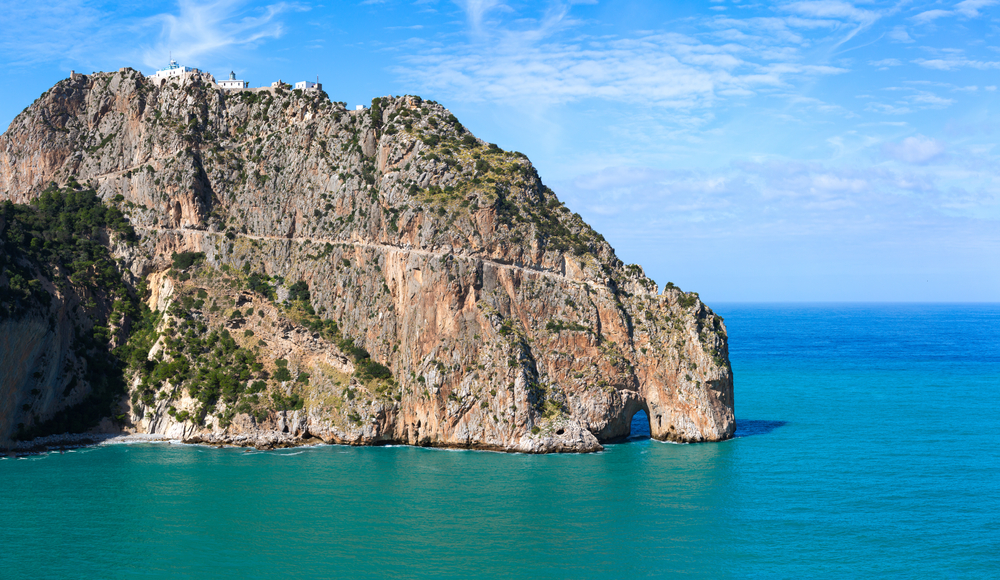
The park is best known for its spectacular coastal scenery, where steep mountains descend dramatically into the Mediterranean Sea. Visitors are drawn to panoramic viewpoints overlooking turquoise waters, secluded coves, rocky cliffs, and forested ridges. Mount Gouraya itself rises prominently above the city of Béjaïa, providing breathtaking vistas across the coastline and surrounding mountains.
The park is also home to several historic and cultural landmarks, including ancient fortifications and scenic coastal trails. Its accessibility from Béjaïa has made it one of Algeria’s most popular destinations for hiking, nature observation, and outdoor recreation.
Geographically, Gouraya National Park occupies a unique transition zone between marine and mountain ecosystems. The terrain consists of limestone cliffs, coastal headlands, valleys, forests, and rugged peaks. Elevations range from sea level to over 2,000 feet (660 m), creating diverse habitats within a relatively compact area.
Mediterranean forests dominated by Aleppo pine, cork oak, olive trees, and evergreen shrubs cover much of the landscape. Seasonal streams and small wetlands contribute additional ecological diversity. Offshore waters contain important marine habitats that support fish populations and other aquatic life, extending the park’s conservation value beyond its terrestrial boundaries.
The park supports a rich variety of wildlife characteristic of Mediterranean ecosystems. One of its most notable inhabitants is the endangered Barbary macaque, whose populations have declined significantly across North Africa. Gouraya provides an important refuge for these primates within Algeria.
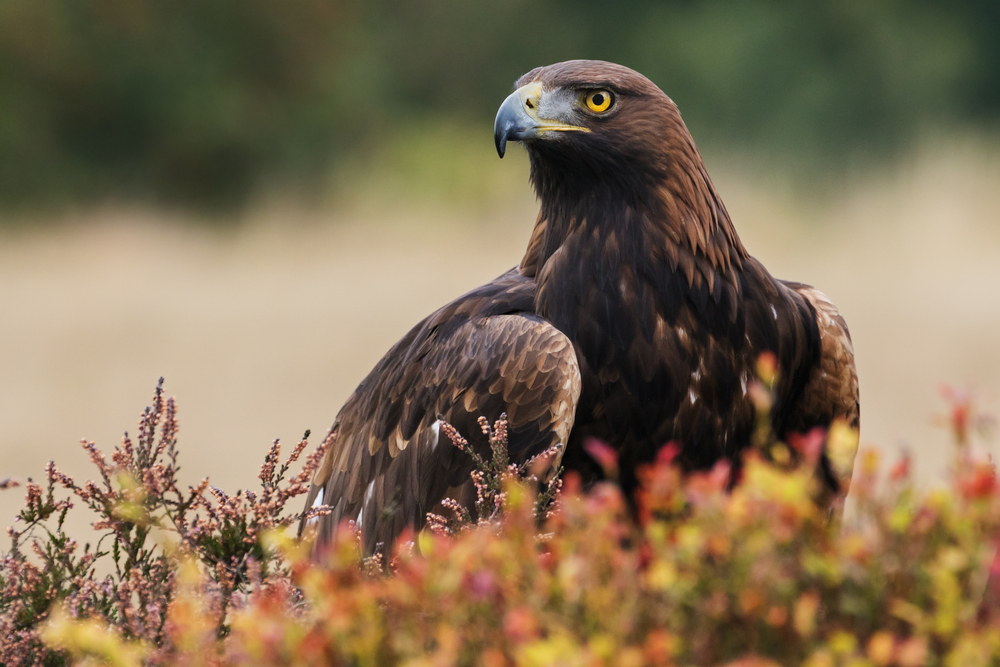
Other mammals include wild boar, foxes, jackals, mongooses, and small carnivores. Birdlife is abundant, featuring peregrine falcons, eagles, gulls, cormorants, and numerous migratory species that travel along the Mediterranean flyway. Marine environments support fish, crustaceans, and other coastal species, contributing to the park’s exceptional biodiversity.
Gouraya National Park plays a critical role in protecting Algeria’s Mediterranean coastal ecosystems and preserving habitats that are increasingly threatened by urban development and environmental pressures. The park safeguards rare plant communities, important wildlife populations, and scenic landscapes of national significance.
Its combination of mountain and marine habitats gives it ecological importance comparable to protected coastal reserves such as Cinque Terre National Park and Calanques National Park. Through its dramatic cliffs, Mediterranean forests, endangered wildlife, and stunning coastal views, Gouraya National Park stands as one of Algeria’s most treasured natural landscapes and an outstanding example of Mediterranean biodiversity conservation.
Things to See
Things To Do
Engaging Gouraya National Park
