

About
Djebel Aissa National Park (French: Parc National du Djebel Aïssa; Arabic: الحديقة الوطنية لجبل عيسى) is located in western Algeria within the Ksour Mountains of the Saharan Atlas near the border with Morocco. Established in 2003, the park covers approximately 95 square miles (245 sq km) and protects one of the most ecologically important mountain environments in western Algeria.
Centered around Mount Aïssa, one of the highest peaks in the region, the park preserves a unique transition zone between Mediterranean mountain ecosystems and the vast Sahara Desert. Along with neighboring protected areas of the Saharan Atlas, Djebel Aissa National Park serves as a critical refuge for wildlife adapted to North Africa’s increasingly fragile mountain habitats.
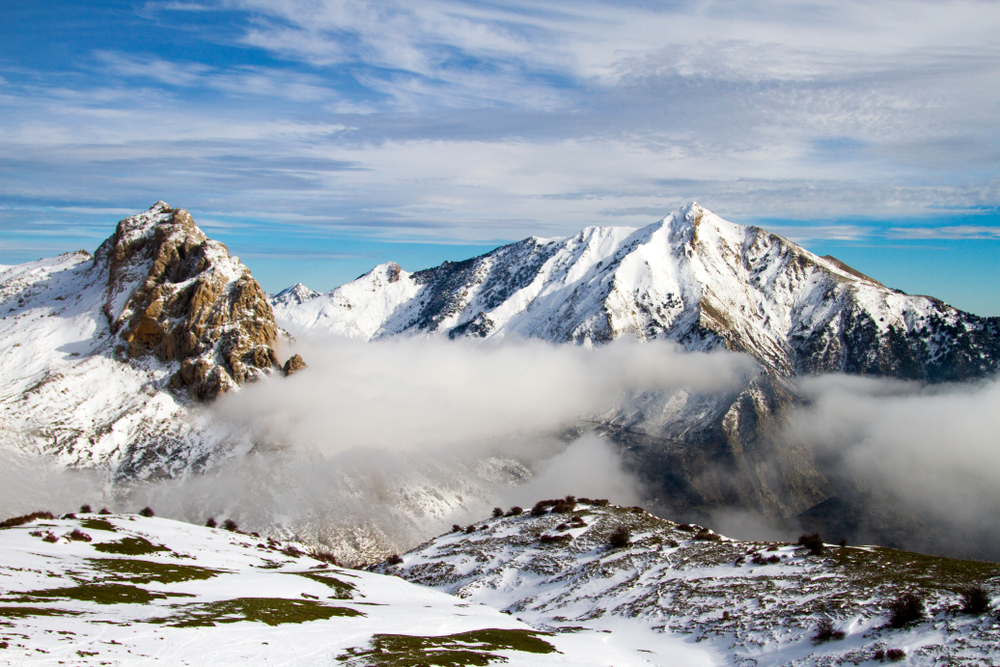
The park is best known for its dramatic mountain scenery, rich biodiversity, and role in preserving endangered species that have disappeared from many other parts of North Africa. Visitors are attracted by rugged landscapes, panoramic views, and opportunities to explore a region where mountain forests, grasslands, and desert influences converge.
The park’s remote location offers a sense of solitude rarely found in more heavily visited protected areas. Hikers and nature enthusiasts can experience a landscape shaped by geological forces, harsh climates, and centuries of ecological adaptation.
Geographically, the park is dominated by the rugged peaks and ridges of the Ksour Mountains. Elevations rise sharply above surrounding plains, creating cooler conditions and higher rainfall than nearby desert regions. This variation in climate supports a mosaic of habitats including mountain grasslands, juniper woodlands, steppe vegetation, rocky slopes, and seasonal valleys.
Atlas pistachio trees, junipers, aromatic shrubs, and drought-resistant grasses characterize much of the landscape. During spring, wildflowers can transform portions of the park into colorful displays that contrast sharply with the surrounding arid terrain. The mountains also play an important role in capturing moisture and supporting local watersheds.
Djebel Aissa National Park supports a variety of wildlife specially adapted to mountain environments. Mammals found within the park include Barbary sheep, wild boar, foxes, jackals, and hares. The park is particularly important for the conservation of rare Saharan and Atlas Mountain species.
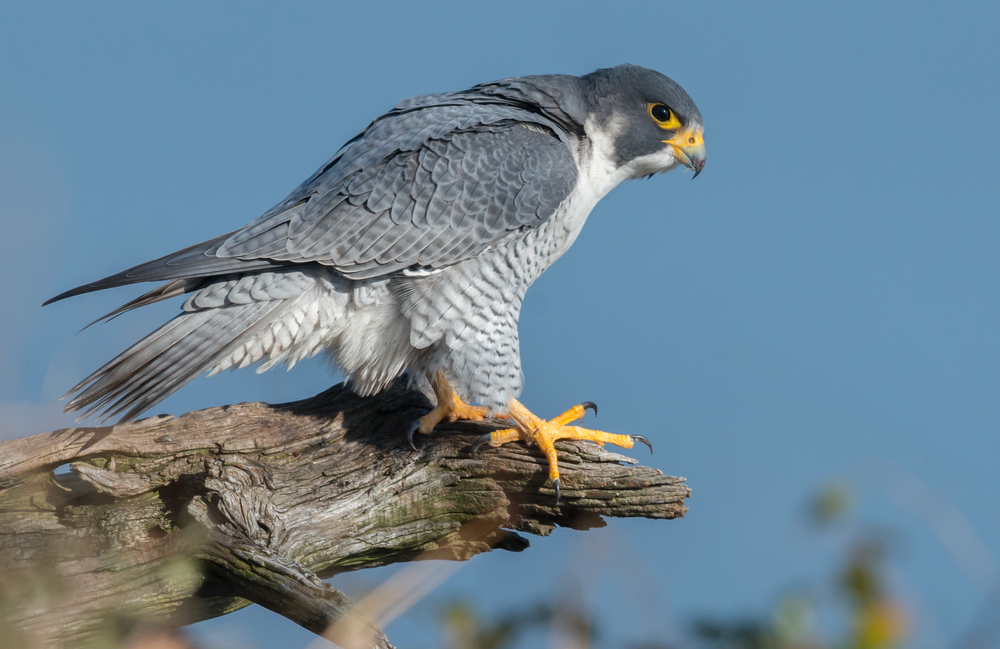
Birdlife is diverse and includes golden eagles, Bonelli’s eagles, ravens, wheatears, larks, and migratory species that utilize the mountain corridors. Reptiles adapted to rocky and semi-arid habitats are also common. The combination of mountain and steppe ecosystems creates conditions that support species rarely found together elsewhere in North Africa.
The conservation significance of Djebel Aissa National Park lies in its protection of a unique ecological crossroads where Mediterranean, mountain, and Saharan influences meet. The park safeguards habitats that are increasingly threatened by overgrazing, desertification, and climate change. It provides refuge for rare plants and wildlife while helping maintain ecological connectivity across the Saharan Atlas.
In terms of conservation value, Djebel Aissa can be compared to protected mountain landscapes such as Talassemtane National Park and Jbel Toubkal National Park, where isolated mountain habitats support unique biodiversity amid otherwise harsh environments. Through its rugged peaks, rare wildlife, and important role in preserving North Africa’s mountain ecosystems, Djebel Aissa National Park stands as one of Algeria’s most valuable natural sanctuaries and an essential stronghold for biodiversity conservation.
Things to See
Things To Do
Engaging Djebel Aissa National Park
