

About
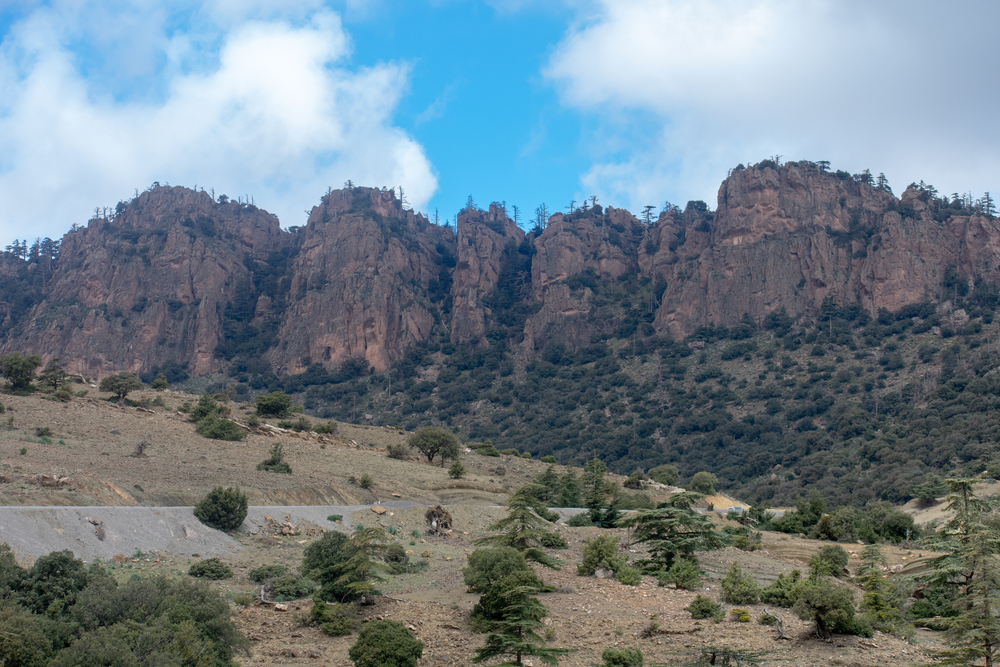
Belezma National Park (French: Parc National de Belezma; Arabic: الحديقة الوطنية بلزمة) is located in northeastern Algeria within the Aurès Mountains of Batna Province. Established in 1984, the park covers approximately 101 square miles (262 sq km) and protects a significant portion of the Belezma Massif, a mountainous region known for its rich biodiversity and scenic landscapes.
Situated near the city of Batna, the park serves as an important ecological bridge between the Mediterranean environments of northern Algeria and the more arid regions to the south. Along with nearby protected areas in the Aurès Mountains, Belezma contributes to the conservation of one of North Africa’s most distinctive mountain ecosystems.
The park is best known for its magnificent cedar forests, which contain some of the largest remaining stands of Atlas cedar in Algeria. These ancient woodlands create a striking landscape and provide critical habitat for numerous plant and animal species. Visitors are attracted by the park’s peaceful mountain scenery, forested slopes, and opportunities for hiking and wildlife observation.
The changing seasons bring different colors and experiences, from lush green forests in spring to snow-dusted mountain peaks during winter. The combination of natural beauty and ecological significance makes Belezma one of Algeria’s most valuable protected areas.
Geographically, Belezma National Park is characterized by rugged mountains, deep valleys, forested ridges, and elevated plateaus. Elevations vary considerably, creating a range of microclimates that support diverse habitats. The park’s landscape includes cedar forests, oak woodlands, juniper stands, grasslands, and rocky outcrops.
Seasonal streams and springs provide water for wildlife and help sustain the region’s vegetation. The Atlas cedar forests are particularly important, as they represent remnants of ecosystems that once covered much larger portions of North Africa. These forests create cool refuges within an otherwise increasingly dry environment.
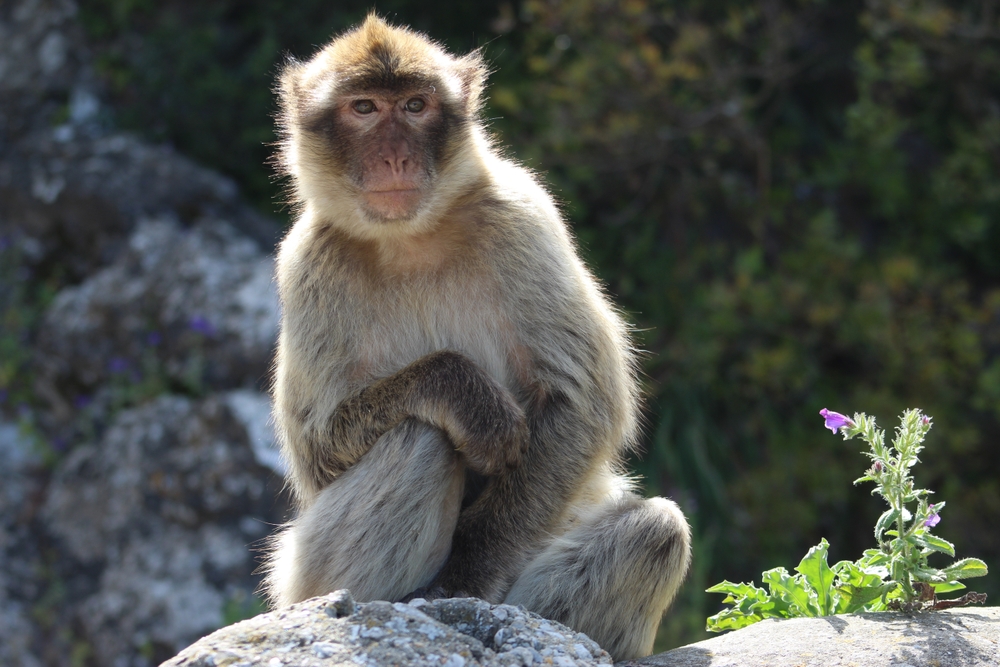
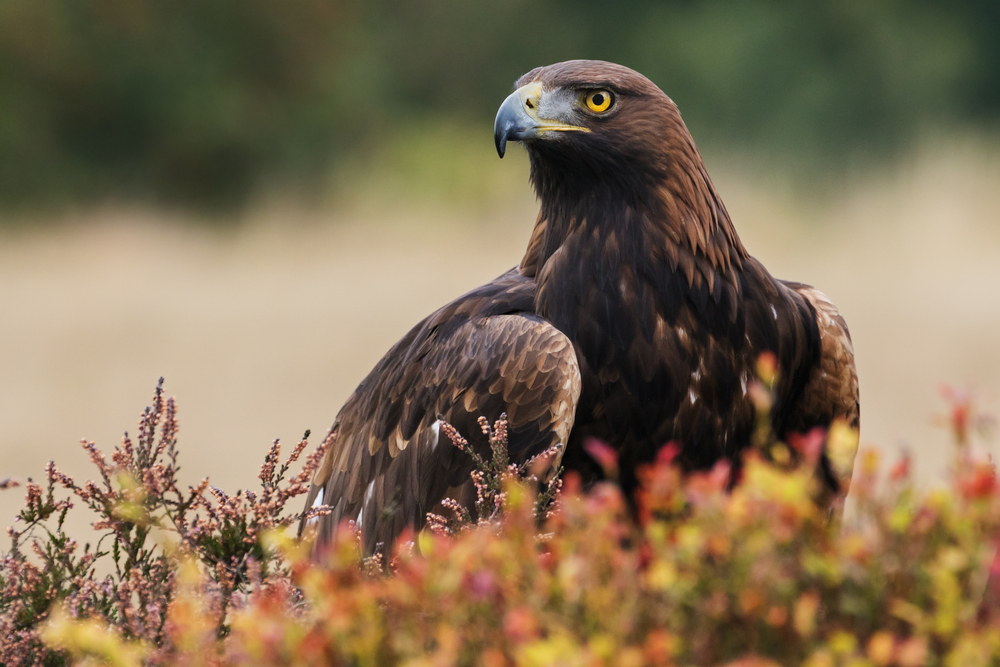
The park supports a diverse array of wildlife adapted to mountain habitats. Mammals found within the park include wild boar, jackals, foxes, hares, and Barbary sheep in some of the more rugged areas. Birdlife is especially notable, with raptors such as golden eagles and Bonelli’s eagles soaring above the mountains.
Woodpeckers, owls, warblers, and numerous migratory birds also inhabit the forests. Reptiles and amphibians occupy wetter habitats near springs and streams. The ecological diversity of the park reflects its location at the intersection of Mediterranean and Saharan climatic influences.
Belezma National Park plays a crucial role in protecting Algeria’s remaining Atlas cedar forests, which face threats from drought, climate change, wildfire, and human activity. The park also safeguards numerous endemic and regionally important plant species found within the Aurès Mountains.
Its conservation mission is comparable to that of mountain forest reserves such as Talassemtane National Park and Cévennes National Park, where protected mountain landscapes preserve unique biodiversity and cultural heritage. Through its cedar forests, mountain wildlife, and ecological importance, Belezma National Park remains one of North Africa’s most significant natural sanctuaries and a vital refuge for the unique ecosystems of the Aurès Mountains.
Things to See
Things To Do
Engaging Belezma National Park
