

About
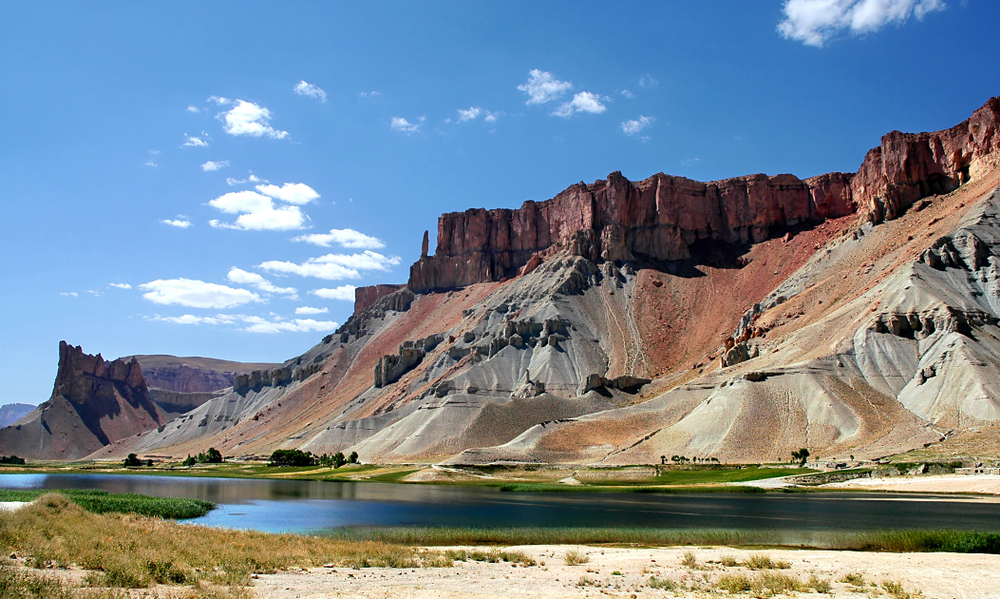
Band-e Amir National Park (locally known as بند امیر ملی پارک) is located in the central highlands of Afghanistan within Bamyan Province and covers approximately 230 square miles (595 sq km). Established in 2009, it became Afghanistan’s first national park and represents a major milestone in the country’s conservation efforts.
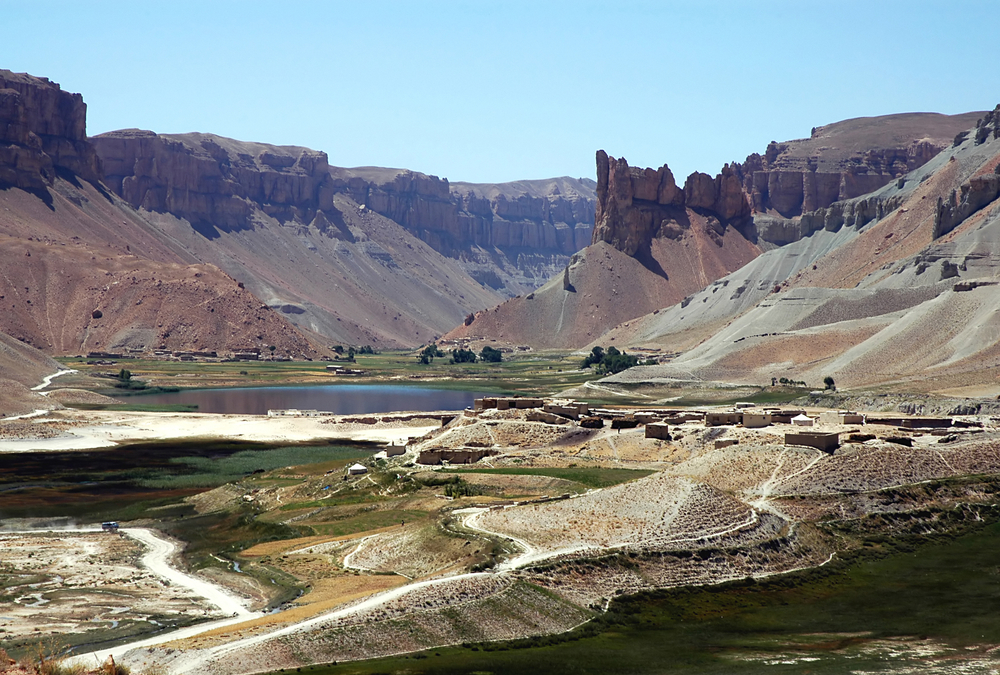
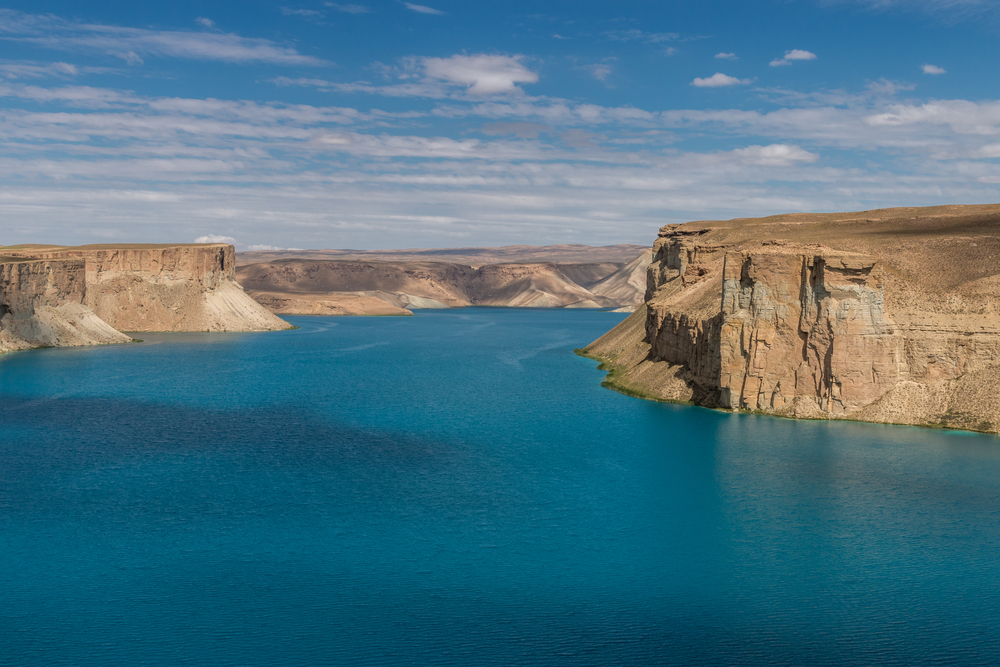
Situated west of Bamyan, the park protects a stunning series of deep-blue lakes, dramatic limestone cliffs, mountain valleys, and high-altitude grasslands. The name “Band-e Amir” means “Dam of the Commander,” referring to a chain of natural dams that separate the lakes. Nestled within the rugged landscapes of the Hindu Kush region, Band-e Amir National Park is widely regarded as one of Afghanistan’s most beautiful natural treasures and one of the most distinctive protected areas in Central Asia.
Band-e Amir National Park is best known for its six brilliant turquoise lakes connected by natural travertine dams formed over thousands of years by mineral-rich springs. These lakes, including the famous Band-e Haibat and Band-e Panir, create one of the most spectacular natural landscapes in Asia.
Visitors are drawn to the park’s crystal-clear waters, dramatic cliffs, and panoramic mountain scenery. Popular activities include hiking, boating, photography, wildlife observation, picnicking, and sightseeing. The striking contrast between the vivid blue lakes and the surrounding arid mountains makes Band-e Amir one of the most recognizable natural landmarks in Afghanistan.
The geography of Band-e Amir National Park is shaped by geological processes unique to the region. Mineral-rich groundwater emerges from underground springs and deposits layers of calcium carbonate, gradually building natural dams that separate the lakes. These formations create a cascading chain of lakes set within steep valleys and limestone mountains.
Elevations throughout the park exceed 9,000 feet (2,740 meters), resulting in a cool mountain climate compared to much of Afghanistan. The landscape includes rocky slopes, grasslands, wetlands, and alpine environments that support a variety of plant and animal communities. Seasonal streams and springs provide essential water sources for wildlife and local communities.
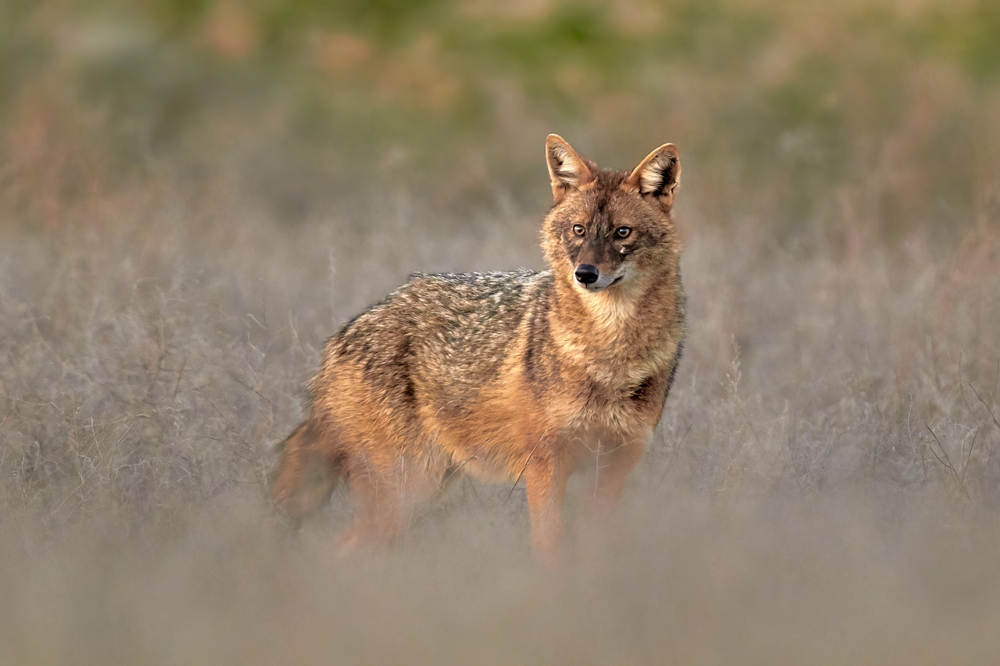
Wildlife within Band-e Amir National Park reflects the diversity of its mountain habitats. Mammals found in the region include ibex, urial sheep, red foxes, wolves, hares, and smaller mountain species. Snow leopards have historically inhabited parts of the broader region, although sightings remain extremely rare.
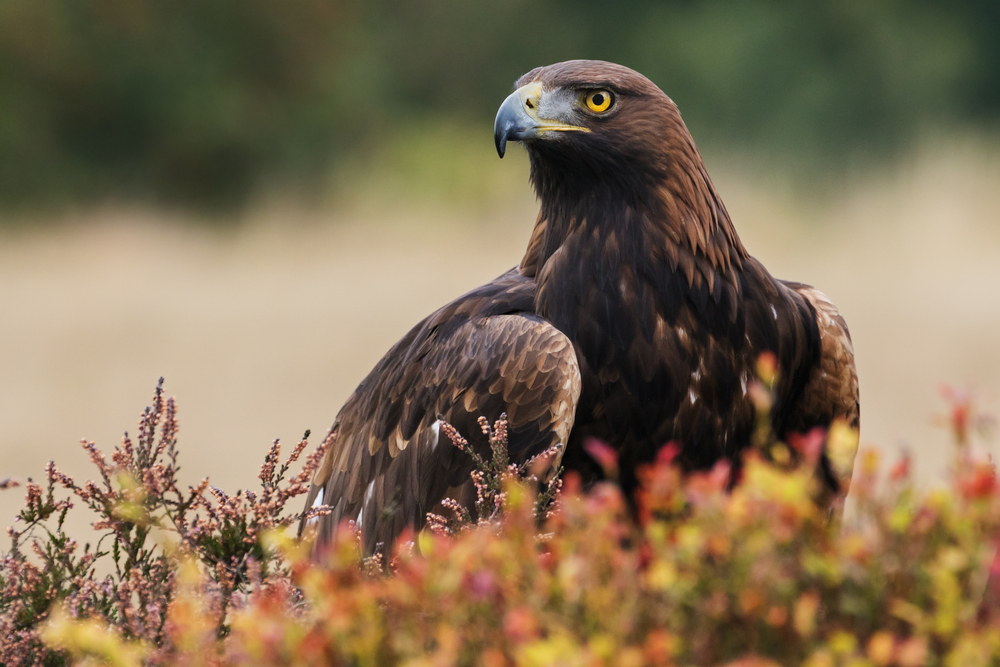
Birdlife includes golden eagles, chukar partridges, vultures, falcons, and migratory waterbirds that utilize the lakes and wetlands. The park’s aquatic environments support fish and other freshwater species, while the surrounding grasslands provide habitat for numerous insects and small mammals. The combination of lakes and mountain ecosystems creates an important refuge for biodiversity within central Afghanistan.
Band-e Amir National Park plays a vital role in protecting Afghanistan’s natural heritage and promoting conservation within a region of exceptional ecological and cultural significance. The park safeguards unique geological formations, freshwater ecosystems, mountain habitats, and wildlife populations while supporting sustainable tourism and environmental education. Conservation efforts focus on protecting the fragile travertine dams, preserving water quality, and maintaining the ecological integrity of the park.
Band-e Amir is often compared to Plitvice Lakes National Park and Jiuzhaigou Valley National Park because of its spectacular lakes and natural dam formations. However, its remote location, high-altitude setting, and status as Afghanistan’s first national park give it a distinctive identity. Today, Band-e Amir National Park stands as one of Central Asia’s most remarkable protected landscapes, preserving a breathtaking environment where lakes, mountains, wildlife, and geological wonders come together in extraordinary harmony.
.
Things to See
Things To Do
Engaging Band-e Amir National Park

Sources
All Trails, Best Trails in Band-e Amir, https://www.alltrails.com/ar/parks/afghanistan/bamyan/band-e-amir-national-park, retrieved August 2024.
Red Planet Travel, Band-e Amir National Park, https://redplanet.travel/hub/Band-e-Amir-National-Park-Afghanistan, retrieved August 2024.
UNESCO, Band-e Amir National Park, https://whc.unesco.org/en/tentativelists/1946/, retrieved August 2024.
Visit Banyam, Band-e Amir National Park, https://visit-bamyan.com/band-e-amir-national-park/, retrieved August 2024.
Wikipedia, Band-e Amir National Park, https://en.wikipedia.org/wiki/Band-e_Amir_National_Park, retrieved August 2024.