About

José Armando Bermúdez National Park (Spanish: Parque Nacional José Armando Bermúdez) is located in the central mountain region of the Dominican Republic. Established in 1956, the park covers approximately 296 square miles (767 sq km) and protects part of the Cordillera Central, the highest mountain range in the Caribbean.

Together with neighboring José del Carmen Ramírez National Park, it safeguards the heart of the island’s most important highland wilderness. The park is especially significant because it contains Pico Duarte, the tallest peak in the Caribbean, rising to approximately 10,164 feet (3,098 m).

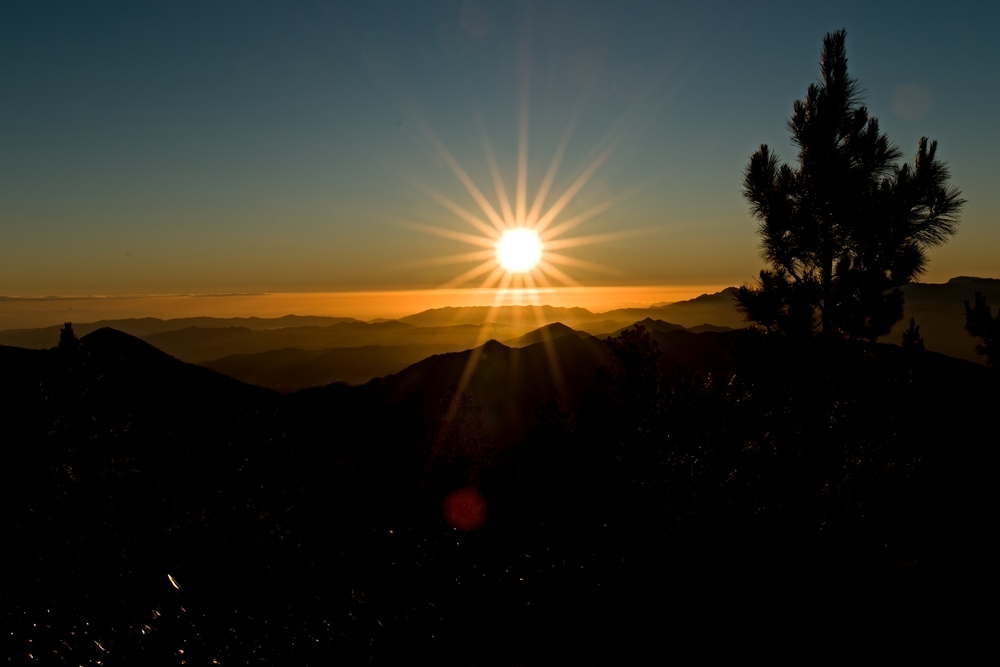
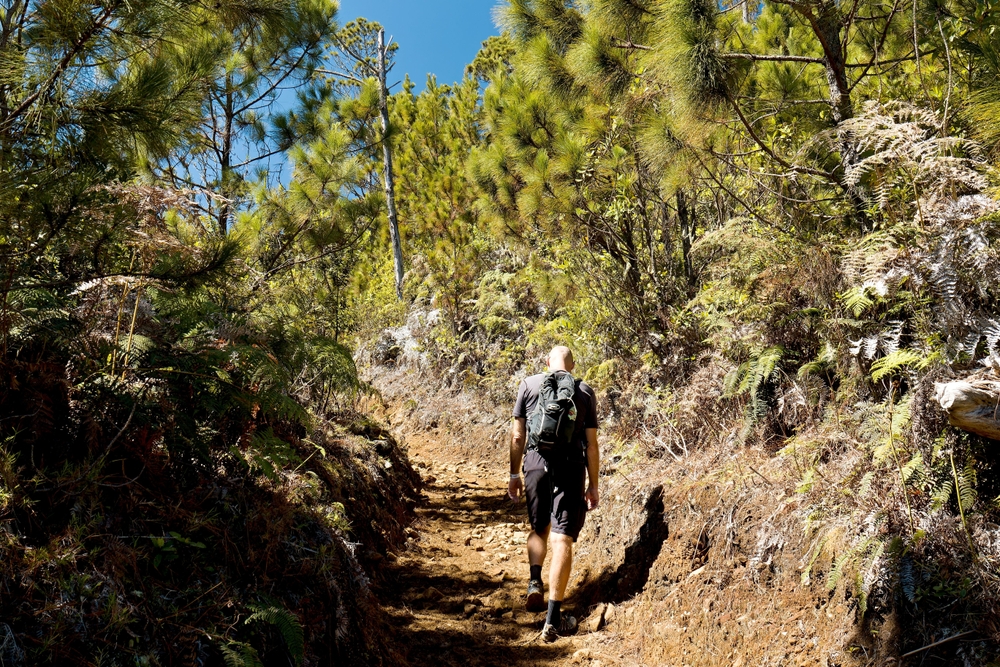
The park is best known for its dramatic mountain scenery, cool climate, and challenging trek to Pico Duarte. Visitors are drawn to rugged trails, pine forests, river valleys, and sweeping views across the Dominican highlands.

The hike to Pico Duarte is one of the country’s most celebrated outdoor adventures, often completed over two or three days with local guides and mule support. Along the way, travelers experience a side of the Dominican Republic far removed from beaches and resorts. Misty forests, mountain camps, and cold dawn temperatures create an experience more alpine than tropical.

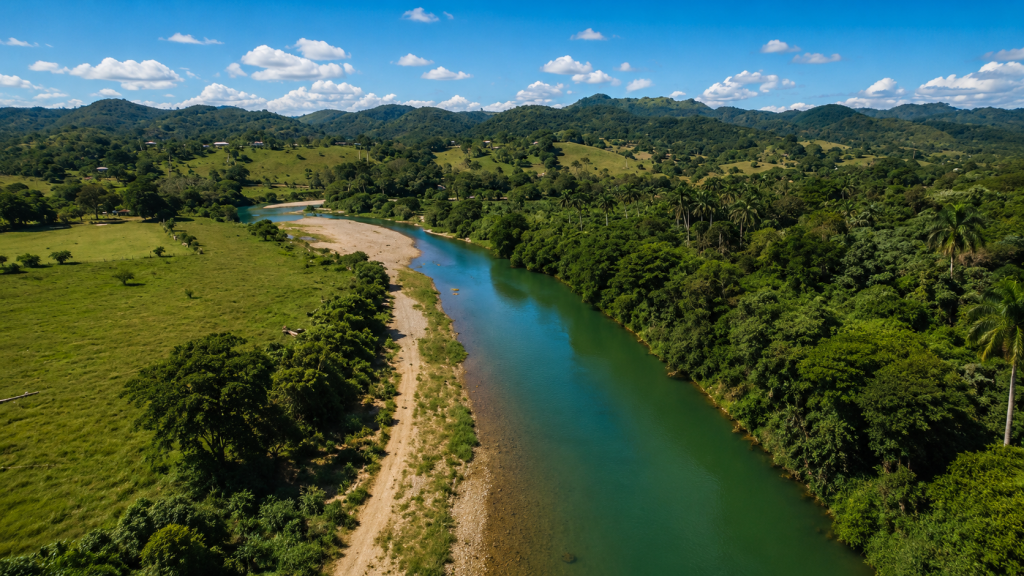
Geographically, José Armando Bermúdez National Park is defined by steep mountains, deep valleys, high ridges, and important river systems. The park protects the headwaters of several major rivers, including portions of the Yaque del Norte system, which supplies water to communities, agriculture, and ecosystems across northern Hispaniola.

Vegetation changes with elevation. Lower slopes include broadleaf forests and mixed woodland, while higher elevations are dominated by Hispaniolan pine forests. Ferns, mosses, orchids, and mountain shrubs thrive in moist areas, creating a rich and varied highland ecosystem.

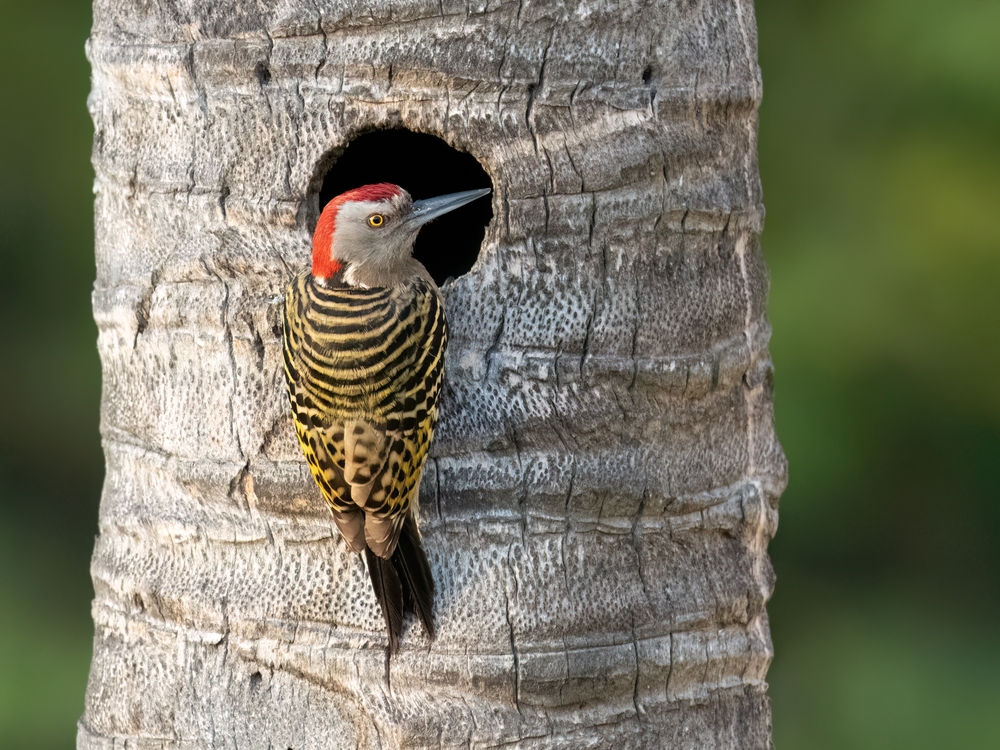
Wildlife within the park reflects the unique biodiversity of Hispaniola. Birdlife is particularly important, with endemic species such as the Hispaniolan parrot, Hispaniolan woodpecker, palmchat, and green-tailed warbler inhabiting the forests. The park also supports reptiles, amphibians, butterflies, and many smaller animals adapted to mountain environments.

Native mammals are limited compared with mainland ecosystems, but bats and small forest species contribute to the park’s ecological balance. The surrounding forests provide critical habitat for species found only on Hispaniola, making the park especially valuable for conservation.

José Armando Bermúdez National Park plays a crucial role in protecting the Dominican Republic’s mountain ecosystems, freshwater resources, and endemic wildlife. The park preserves high-elevation forests that help prevent erosion, regulate water flow, and support biodiversity across the Cordillera Central.

Its conservation significance is often compared to Blue and John Crow Mountains National Park and La Visite National Park because of its Caribbean mountain forests, endemic species, and watershed protection. Through its towering peaks, pine forests, rare wildlife, and vital rivers, José Armando Bermúdez National Park stands as one of the Dominican Republic’s greatest natural treasures and the premier mountain wilderness of the Caribbean.

Things to See
Popular Species

Popular Species

José Armando Bermúdez National Park, with its diverse ecosystems and high-altitude forests, is home to a variety of unique endemic species adapted to the mountainous terrain.

Hispaniolan hutia (Plagiodontia aedium) – This large, nocturnal rodent is endemic to the island, often seen foraging in the park’s pine forests, playing an important role in seed dispersal.

Hispaniolan solenodon (Solenodon paradoxus) – A rare, insectivorous mammal, it thrives in the dense undergrowth of the park, with its unique shrew-like appearance and ancient lineage.

Hispaniolan curlytail lizard (Leiocephalus schreibersii) – A robust, endemic lizard species, this reptile is often seen basking on rocks in the park’s sunny clearings, hunting for insects and small invertebrates.

Jamaican fruit bat (Artibeus jamaicensis) – A frugivorous bat species found in the park’s caves and forests, playing a vital role in pollination and seed dispersal of native plants.

Hispaniolan parrot (Amazona ventralis) – Frequently spotted in the park, this green parrot is a social bird, often seen in flocks, feeding on fruit and seeds in the forest canopy.

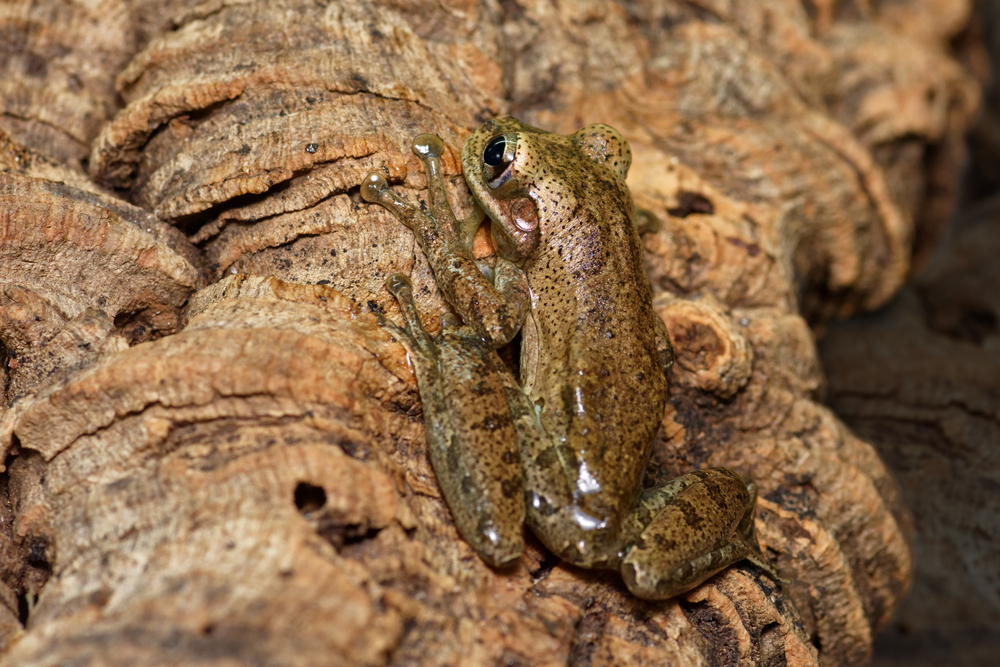
Hispaniolan tree frog (Osteopilus dominicensis) – This small amphibian thrives in the humid areas of the park, often near water sources, where it can be heard calling at night.

Mountain crab (Episesarma jarvisi) – This species inhabits the park’s rivers and streams, adapted to the high-altitude environment, contributing to the park’s aquatic ecosystems.

Mahogany tree (Swietenia mahagoni) – A keystone tree species in the park’s forests, the mahogany provides vital habitats for many wildlife species and has significant ecological and economic value.

Hispaniolan pine (Pinus occidentalis) – Dominating the park’s landscape, this endemic pine tree is critical for the park’s high-altitude forest ecosystem, supporting numerous wildlife species and maintaining water resources.

Antillean mango (Anthracothorax dominicus) – This vibrant hummingbird species frequents the park’s forests, feeding on nectar from native flowers and adding a splash of color to the landscape.

Bird Species

Bird Species

José Armando Bermúdez National Park is a haven for birdwatchers, offering a rich diversity of endemic and migratory bird species thriving in its varied habitats.

Hispaniolan trogon (Priotelus roseigaster) – Endemic to the island, this beautifully colored bird is often seen in the park’s forests, known for its striking plumage and melodious calls.

Hispaniolan parrot (Amazona ventralis) – A medium-sized green parrot, this species is commonly spotted flying in flocks through the park’s canopy, feeding on fruits and seeds.

Palmchat (Dulus dominicus) – The national bird of the Dominican Republic, this sociable bird is often found in large groups, nesting in the park’s palm trees and feeding on fruit.

Hispaniolan woodpecker (Melanerpes striatus) – Known for its red head and black-and-white body, this woodpecker is commonly seen hammering away at tree trunks in search of insects.

Green-tailed warbler (Microligea palustris) – A small, insect-eating bird endemic to Hispaniola, it is often found flitting through the undergrowth of the park’s forests in search of food.

Greater Antillean grackle (Quiscalus niger) – A large, glossy blackbird species that is often seen in open areas of the park, known for its loud, raucous calls and social behavior.

Hispaniolan emerald (Chlorostilbon swainsonii) – A small, iridescent hummingbird that frequents the park’s forests, feeding on nectar from a variety of flowers and playing a role in pollination.

Rufous-throated solitaire (Myadestes genibarbis) – A small, secretive bird known for its rich, melodious song, often heard before being seen in the dense vegetation of the park.

Antillean piculet (Nesoctites micromegas) – A small, endemic woodpecker-like bird, this species is commonly found in the park’s forested areas, foraging for insects in tree bark.

Black-crowned palm-tanager (Phaenicophilus palmarum) – A small, endemic songbird that is often seen in the park’s forested areas, known for its distinctive black cap and foraging habits.

Things To Do

Engaging Jose Armado Bermudez National Park
Hiking

Hiking

Under the Stars

Under the Stars

Sources

All Trails, Best Trails in José Armando Bermúdez National Park, https://www.alltrails.com/ar/parks/dominican-republic/la-vega/jose-armando-bermudez-national-park, retrieved August 2024.

Caribbean Birding Trail, Jarabacoa with Armando Bermúdez and José del Carmen Ramírez National Parks, https://caribbeanbirdingtrail.org/sites/dominican-republic/central-mountain-range/jarabacoa-armando-bermudez-and-jose-del-carmen-ramirez/, retrieved August 2024.

Go Dominican Republic, José Armando Bermúdez National Park, https://www.godominicanrepublic.com/listing/armando-berm%C3%BAdez-national-park/4311/, retrieved August 2024.

Go Dominican Travel, José Armando Bermúdez National Park,https://www.godominicantravel.com/armando-bermudez-national-park/, retrieved August 2024.

Wikipedia, José Armando Bermúdez National Park, https://en.wikipedia.org/wiki/Jos%C3%A9_Armando_Berm%C3%BAdez_National_Park, retrieved August 2024.