About

Sierra de San Pedro Mártir National Park (in Spanish: Parque Nacional Sierra de San Pedro Mártir) is located in the northern part of Baja California, Mexico. Established in 1947, the park covers an area of approximately 264 square miles (about 683 square kilometers). This rugged and remote mountain range is one of Mexico’s most pristine and ecologically diverse natural reserves, offering stunning landscapes and a rich variety of flora and fauna.

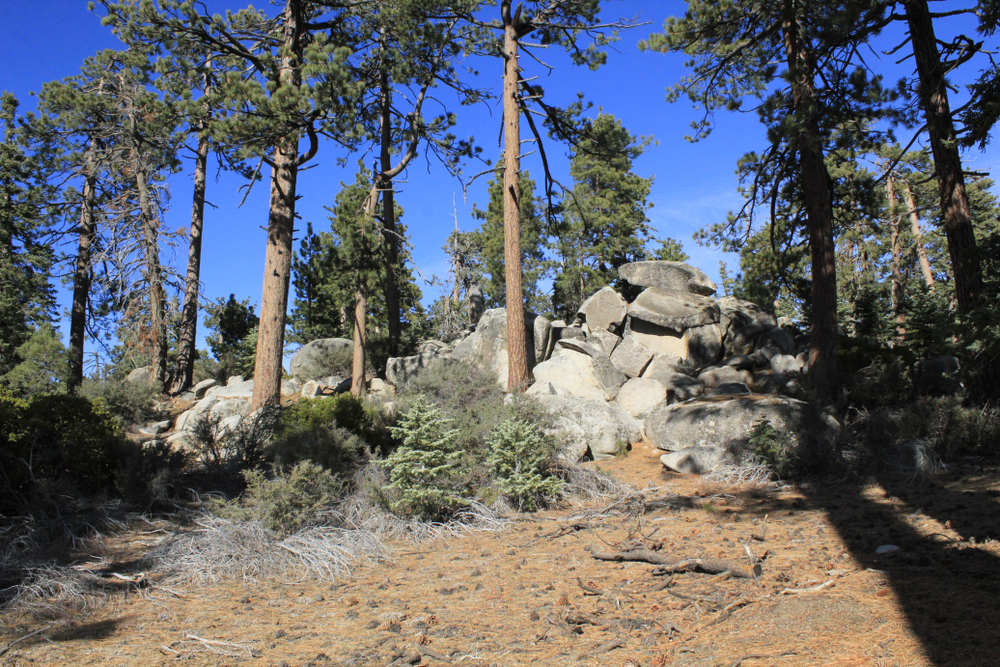
The park’s landscape is dominated by the Sierra de San Pedro Mártir mountain range, with its highest peak, Picacho del Diablo, standing at 10,157 feet (3,096 meters). The terrain is characterized by deep canyons, granite cliffs, and expansive plateaus. The park is also home to dense pine, fir, and cypress forests, which thrive at higher altitudes, providing a striking contrast to the arid deserts surrounding the region.

The vegetation in Sierra de San Pedro Mártir National Park varies by elevation, with chaparral and desert plants at lower altitudes, transitioning to forests of Jeffrey pine, sugar pine, and white fir as you climb higher. In the spring, wildflowers blanket the meadows, adding vibrant colors to the landscape.

The park is a sanctuary for wildlife, including some of Mexico’s most iconic species. It is one of the last refuges of the critically endangered California condor, which was successfully reintroduced to the park. Other notable species include mule deer, cougars, bighorn sheep, and coyotes. The park is also home to a variety of birds, such as golden eagles, red-tailed hawks, and woodpeckers.

Due to its remote location and minimal human impact, Sierra de San Pedro Mártir National Park is a paradise for nature lovers, offering excellent opportunities for hiking, camping, and wildlife observation. Its pristine natural beauty, combined with the park’s conservation efforts, make it one of the most important national parks in Baja California.

Things to See

Popular Species

Popular Species

Sierra de San Pedro Mártir National Park is home to a wide range of species that thrive in its mountainous terrain and diverse ecosystems.

Mule deer are commonly seen grazing in the park’s meadows and forests, their large ears and graceful movements making them a signature species of the region.

Bighorn sheep inhabit the rocky slopes and high cliffs of the park, known for their impressive horns and remarkable agility in navigating rugged terrain.

California ground squirrels are small, burrowing rodents often spotted scurrying across the park’s meadows and forests, foraging for seeds, nuts, and insects.

Chipmunks are energetic and fast-moving rodents, found darting between trees and shrubs, collecting food and storing it for the winter.

Raccoons are nocturnal omnivores that are frequently seen foraging along streams and forested areas in search of fruits, insects, and small animals.

Black-tailed jackrabbits are fast-moving herbivores that thrive in the park’s grasslands, using their speed to evade predators while foraging for grasses and plants.

Gray foxes are agile and adaptable omnivores, often found hunting small mammals or foraging for fruits in the park’s diverse habitats.

Western toads can be found in the park’s streams and wetlands, feeding on insects and playing a key role in controlling insect populations.

Striped skunks are nocturnal mammals that forage in the park’s forests and meadows, known for their distinctive black and white fur and their pungent defense mechanism.

Bobcats are elusive carnivores found throughout the park, often preying on small mammals, birds, and reptiles while remaining hidden in dense vegetation.

Bird Species

Bird Species

Sierra de San Pedro Mártir National Park is a haven for bird species, offering diverse habitats ranging from forests to open meadows.

Golden eagles are majestic raptors frequently seen soaring above the park’s rugged landscapes, hunting small mammals with their keen eyesight and powerful talons.

California condors are critically endangered birds that have been successfully reintroduced to the park, recognized for their massive wingspans and important role as scavengers.

Red-tailed hawks are often seen gliding over the park’s forests and meadows, using their sharp vision to spot prey from high in the sky.

Steller’s jays are striking blue-and-black birds that inhabit the park’s forests, known for their loud calls and curious nature.

Acorn woodpeckers thrive in the park’s pine forests, recognized for storing acorns in tree bark and their social behavior within family groups.

Western bluebirds add bright splashes of color to the park’s open meadows and forest edges, feeding on insects and berries.

Mountain chickadees are small, lively birds that flit through the park’s coniferous forests, foraging for seeds and insects in the trees.

Pygmy nuthatches are energetic birds that cling to tree trunks and branches, searching for insects hidden in the bark with their sharp beaks.

Northern flickers are large woodpeckers that often forage on the ground, recognized for their distinctive call and bright plumage.

Turkey vultures are frequently seen soaring above the park, using their keen sense of smell to locate carrion and playing a vital role in the ecosystem.

Things To Do

Engaging Sierra de San Pedro Martir

Hiking

Hiking

placeholder

Observatory Stargazing

Exploring

Exploring

Sources

All Trails, Best Trails in San Pedro Martir, https://www.alltrails.com/ar/parks/mexico/baja-california/parque-nacional-sierra-de-san-pedro-martir, retrieved August 2024.

Baja Travel Club, Guide to San Pedro Martir, https://www.discoverbaja.com/2016/08/19/san-pedro-martir/, retrieved August 2024.

Foro Mar de Cortez, San Pedro Martir, https://foromdc.org/en/ecosistemas/sierra-de-san-pedro-martir-el-paraiso-del-condor-de-california-en-mexico/, retrieved August 2024.

Wikipedia, Sierra de San Pedro Martir National Park, https://en.wikipedia.org/wiki/Sierra_de_San_Pedro_M%C3%A1rtir_National_Park, retrieved August 2024.

Wiki Voyage, San Pedro Martir National Park, https://en.wikivoyage.org/wiki/Sierra_de_San_Pedro_Martir_National_Park, retrieved August 2024.