

About
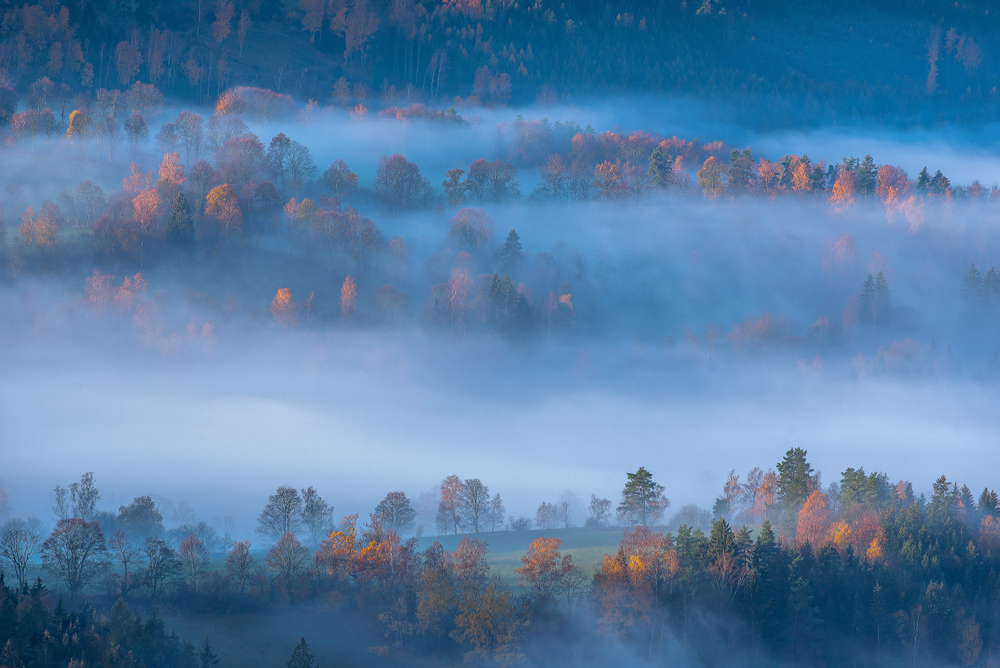
Šumava National Park is located in southwestern Czechia along the borders of Germany and Austria and covers approximately 263 square miles (681 sq km). Established in 1991, it is the largest national park in the Czech Republic and protects a substantial portion of the Bohemian Forest, one of Central Europe’s largest continuous forested regions.
The park adjoins Bavarian Forest National Park, together forming one of Europe’s most significant transboundary wilderness areas. Situated southwest of Prague, Šumava National Park preserves extensive forests, peat bogs, glacial lakes, mountain meadows, and river valleys. The park is recognized as part of a UNESCO Biosphere Reserve and serves as a cornerstone of biodiversity conservation in Central Europe.
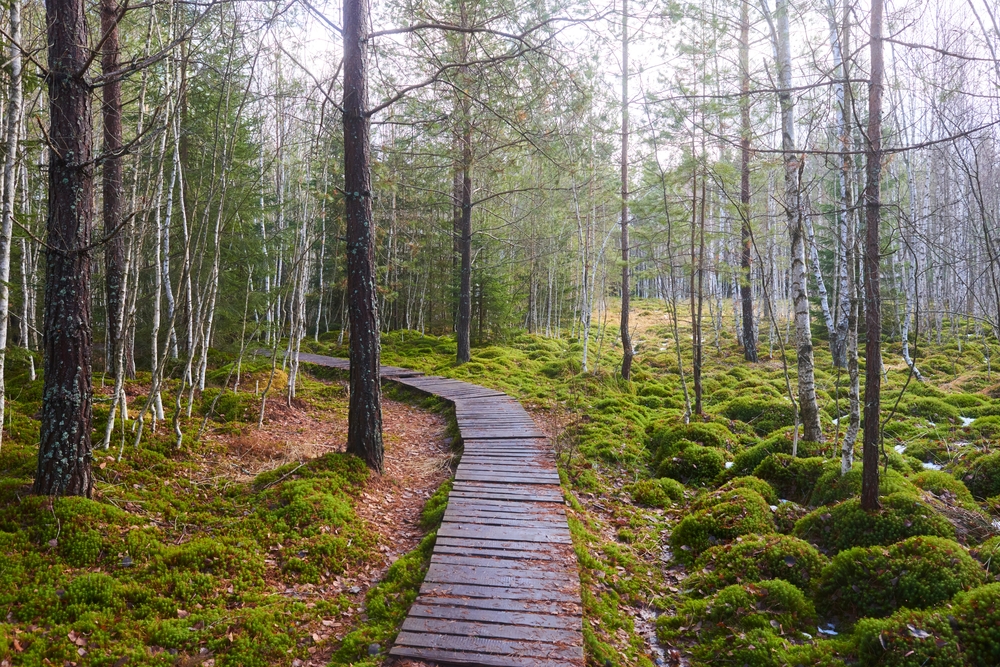
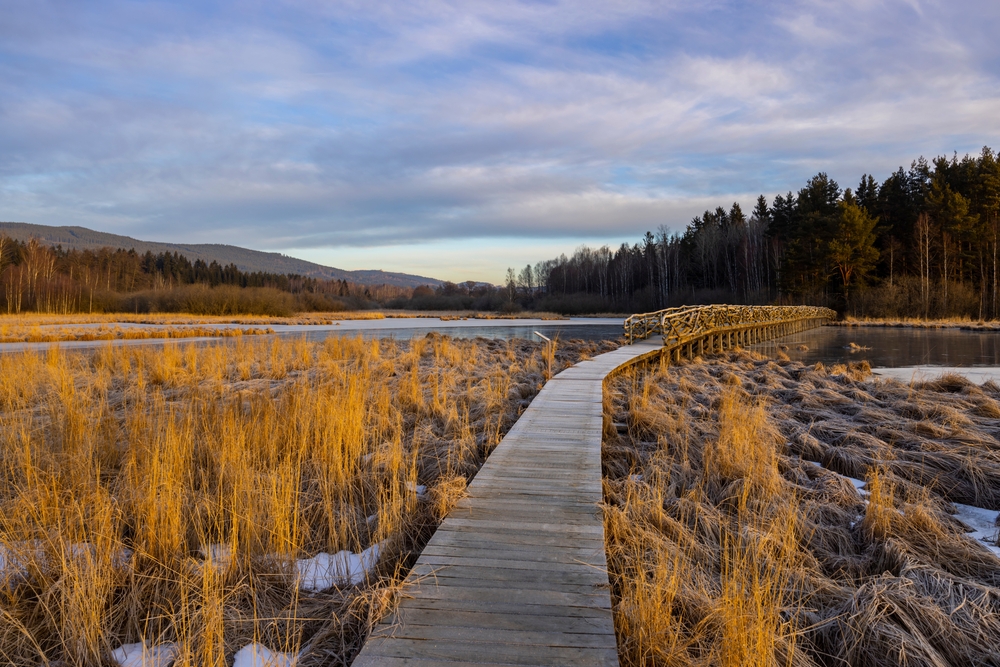
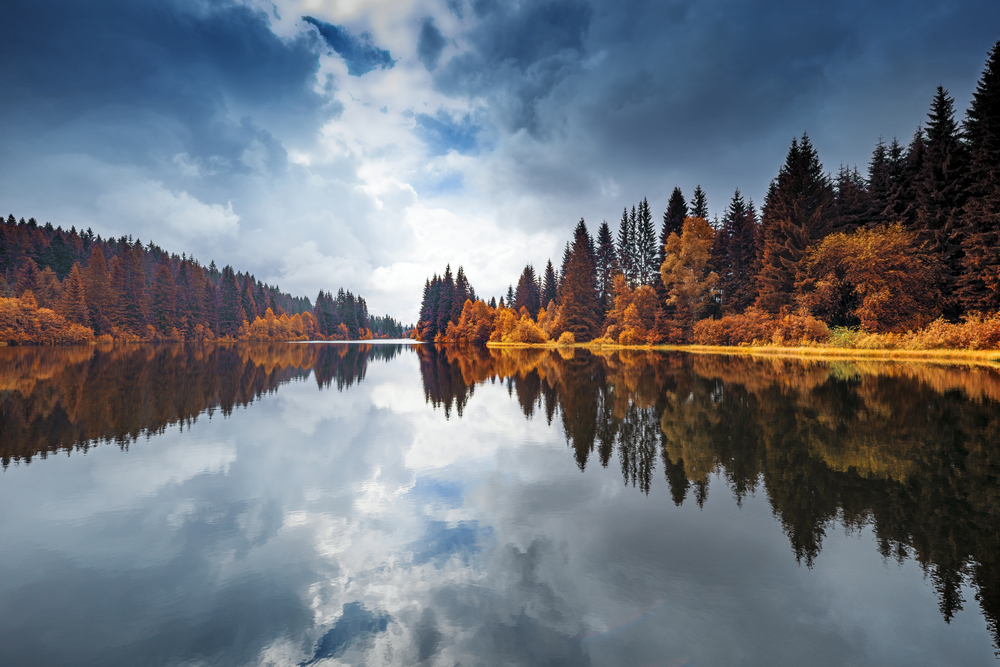
Šumava National Park is best known for its vast forests and wild landscapes that provide visitors with a rare sense of wilderness in the heart of Europe. Popular activities include hiking, cycling, wildlife observation, photography, cross-country skiing, and nature education. Visitors are drawn to scenic destinations such as glacial lakes, mountain viewpoints, peat bog boardwalks, and the headwaters of major European rivers.
The park’s extensive trail network allows visitors to explore remote forests and wetlands while experiencing the region’s natural beauty. Unlike many heavily developed mountain destinations, much of Šumava retains a natural character shaped by ecological processes rather than human intervention.
The geography of Šumava National Park was shaped by ancient geological activity and repeated glaciation during the Ice Ages. The landscape consists of rolling mountains, forested ridges, river valleys, wetlands, and glacial landforms. Elevations reach more than 4,500 feet (1,370 meters) at several peaks. The park contains some of Central Europe’s most important peat bog systems, which play a crucial role in water storage and biodiversity conservation.
Numerous rivers originate within the park, including tributaries that eventually flow into the North Sea and Black Sea watersheds. Vegetation includes spruce forests, mixed beech woodlands, mountain meadows, wetlands, and rare peatland plant communities that support exceptional ecological diversity.
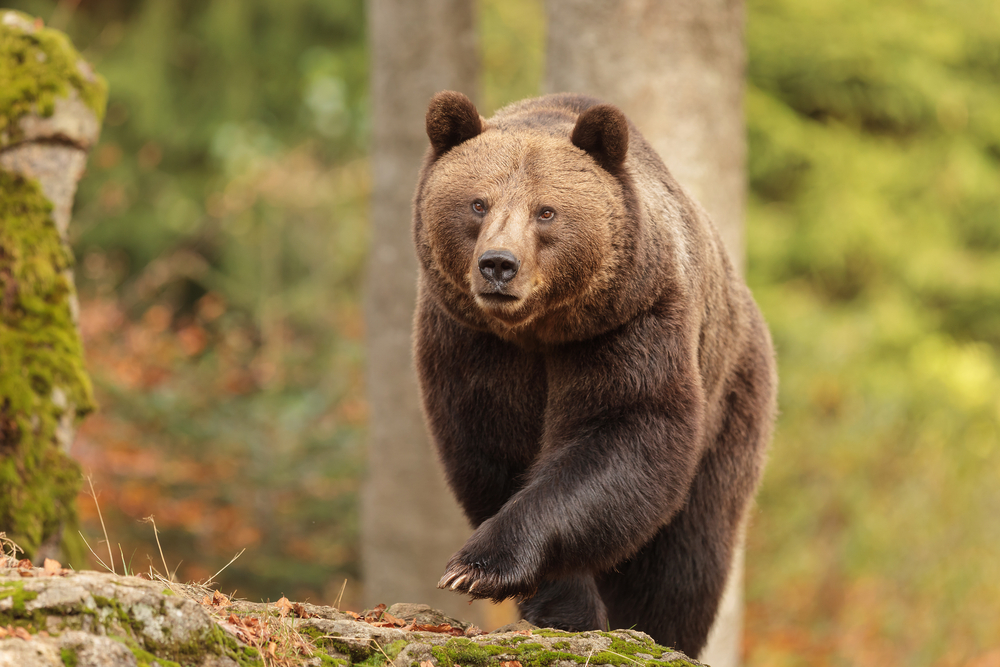
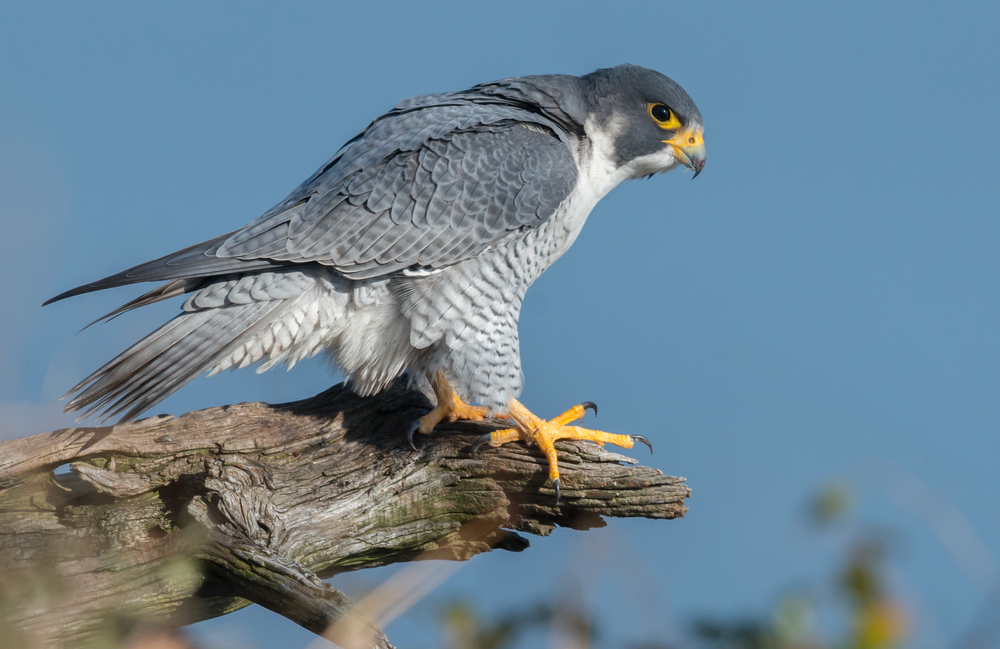
Wildlife within Šumava National Park is among the most diverse in Central Europe. Large mammals include red deer, roe deer, wild boar, Eurasian lynx, foxes, martens, and otters. The Eurasian lynx has become a symbol of conservation success within the region. Birdlife is equally impressive, with species such as black storks, capercaillie, pygmy owls, black woodpeckers, golden eagles, and numerous migratory birds inhabiting the park’s forests and wetlands.
Rivers and wetlands support amphibians, fish, and aquatic invertebrates, while the park’s peat bogs provide habitat for specialized species found in few other locations. The park’s large, interconnected habitats allow wildlife populations to thrive across the landscape.
Šumava National Park plays a vital role in protecting one of Europe’s most important forest ecosystems. The park safeguards old-growth forests, peatlands, watersheds, and critical habitat for many rare and threatened species. Conservation efforts focus on preserving natural ecological processes, restoring wetlands, and maintaining connectivity with neighboring protected areas.
Šumava is often compared to Bavarian Forest National Park and Białowieża Forest because of its extensive forests and wilderness character. However, its combination of mountain landscapes, peat bogs, glacial lakes, and transboundary conservation significance gives it a distinctive identity. Today, Šumava National Park stands as one of Central Europe’s most important protected landscapes, preserving a remarkable environment where forests, wetlands, wildlife, and natural processes continue to flourish.
Things to See
Things To Do
Engaging Sumava National Park

Sources
All Trails, Best Trails in Sumava National Park, https://www.alltrails.com/ar/parks/czech-republic/south-bohemia/narodni-park-sumava, retrieved August 2024.
Amazing Czechia, Sumava National Park, https://www.amazingczechia.com/destinations/sumava-national-park/, retrieved August 2024.
EUROPARC, Sumava National Park, https://www.europarc.org/transboundary-cooperation/discover-our-transboundary-areas/bavarian-forest-sumava-national-parks/, retrieved August 2024.
Visit Czechia, Sumava National Park, https://www.visitczechia.com/en-us/things-to-do/places/nature/protected-areas-and-national-parks/c-sumava-national-park, retrieved August 2024.
Visit Sumava, Sumava National Park, https://www.npsumava.cz/en/, retrieved August 2024.