About

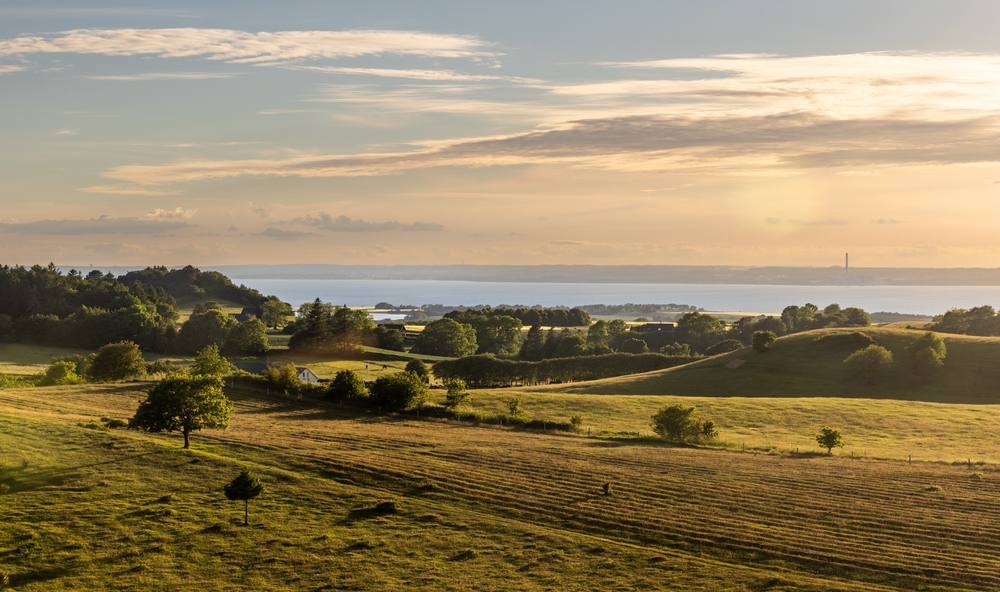
Mols Bjerge National Park is located on the Djursland Peninsula in eastern Denmark and covers approximately 69 square miles (180 sq km). Established in 2009, the park protects one of Denmark’s most diverse and scenic landscapes.

Situated along the Kattegat coast between Aarhus and Grenaa, the park encompasses rolling hills, forests, heathlands, grasslands, wetlands, coastal habitats, and historic cultural landscapes. Unlike many national parks that focus primarily on wilderness preservation, Mols Bjerge National Park combines natural beauty with centuries of human history, creating a landscape where nature and traditional land use have evolved together. The park is widely regarded as one of Denmark’s most important protected areas and one of the country’s premier destinations for outdoor recreation and nature exploration.

Mols Bjerge National Park is best known for its distinctive glacial hills and panoramic coastal scenery. The name “Mols Bjerge,” meaning “Mols Mountains,” refers to a series of rolling hills that rise prominently above the surrounding landscape. Although modest in elevation compared to mountain ranges elsewhere in Europe, these hills provide some of the most dramatic viewpoints in Denmark.

Visitors are drawn to the park for hiking, cycling, horseback riding, birdwatching, photography, and exploring historic villages and archaeological sites. Scenic trails wind through open grasslands, woodlands, and coastal environments, offering views of bays, islands, and the surrounding countryside. The combination of natural beauty and cultural heritage makes the park a unique destination within Northern Europe.

The geography of Mols Bjerge National Park was largely shaped by glaciers during the last Ice Age. Retreating ice sheets sculpted the landscape into rolling hills, kettle lakes, valleys, and coastal formations that define the region today. The park contains diverse habitats including heathlands, meadows, beech forests, marshes, lakes, and rocky shorelines.

Coastal cliffs and sheltered bays add further variety to the landscape, while traditional grazing practices help maintain open habitats that support rich biodiversity. Vegetation includes heather, juniper, wildflowers, oak and beech woodlands, grasslands, and wetland plant communities. This mosaic of habitats contributes significantly to the ecological richness of the park.

Wildlife within Mols Bjerge National Park reflects the diversity of its habitats. Roe deer are among the park’s most commonly observed mammals, while foxes, hares, badgers, and numerous small mammals inhabit the forests and grasslands. Birdlife is particularly abundant, with species such as white-tailed eagles, buzzards, kestrels, woodpeckers, warblers, and migratory waterbirds utilizing the park throughout the year.

Wetlands and coastal habitats support ducks, geese, herons, and wading birds. The park is also known for its rich insect diversity, including butterflies, dragonflies, and pollinators that thrive within the flower-rich grasslands and heathlands. Conservation management helps maintain these habitats and supports a wide range of native species.

Mols Bjerge National Park plays a vital role in protecting Denmark’s natural and cultural heritage. The park safeguards rare habitats, archaeological sites, historic villages, and landscapes that reflect thousands of years of human interaction with nature. Conservation efforts focus on restoring heathlands, maintaining traditional grazing systems, preserving biodiversity, and protecting important migration corridors for birds.

Mols Bjerge is often compared to Thy National Park and South Downs National Park because of its rolling landscapes and blend of natural and cultural features. Yet its glacially formed hills, coastal setting, and exceptional biodiversity give it a distinctive character. Today, Mols Bjerge National Park stands as one of Denmark’s most treasured protected landscapes, preserving a remarkable environment where history, wildlife, and nature continue to flourish together.

Things to See
Popular Species

Popular Species

Mols Bjerge National Park is known for its diverse ecosystems, hosting a variety of species that thrive in its heathlands, forests, and coastal areas.

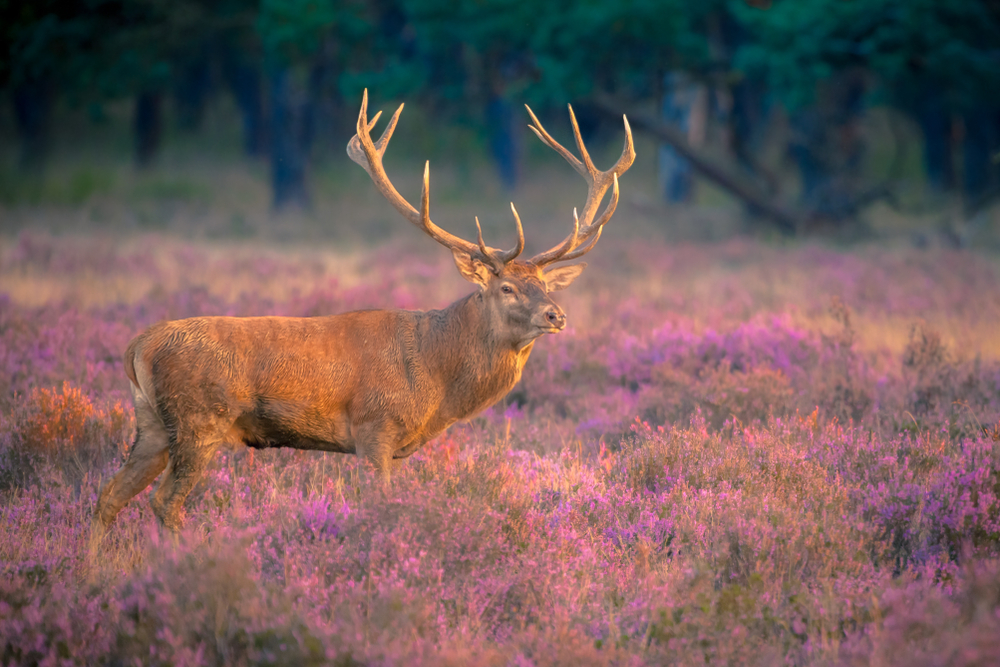
Red deer are frequently spotted in the park’s forests and meadows, especially at dusk and dawn, providing a majestic presence with their large antlers.

Roe deer are smaller herbivores that roam the park’s woodlands and fields, often seen grazing on grasses and shrubs in open areas.

European hares are fast and agile mammals commonly found in the park’s meadows, feeding on grasses and using their speed to escape predators.

Wild boars are found in the park’s forested areas, foraging for roots, tubers, and small animals, often leaving signs of their digging in the undergrowth.

Foxes are adaptable predators that inhabit the park’s forests and heathlands, hunting small mammals and birds and often spotted during early morning or evening hours.

Badgers are nocturnal animals that dig extensive burrows in the park’s woodlands, foraging for insects, fruits, and small mammals under the cover of darkness.

Adder is the park’s only venomous snake, commonly found basking in the sun on heathland trails and feeding on small mammals and birds.

Common lizards are small reptiles frequently seen basking on rocks and logs in the park’s heathlands, feeding on insects and other invertebrates.

Stoats are small carnivores that inhabit the park’s grasslands and forests, preying on rabbits, rodents, and birds with their speed and agility.

European hedgehogs are nocturnal foragers that roam the park’s grasslands and hedgerows, feeding on insects, worms, and small invertebrates.

Bird Species

Bird Species

Mols Bjerge National Park is a haven for birdwatchers, offering a wide range of species that thrive in its diverse habitats, from heathlands to coastal cliffs.

Skylarks are small songbirds that fill the park’s heathlands with their melodious singing, often seen soaring high in the sky during flight displays.

Common buzzards are large raptors frequently seen soaring above the park’s woodlands and heathlands, using their sharp eyesight to spot prey below.

Peregrine falcons are fast-flying predators that nest in the park’s cliffs and rocky outcrops, known for their remarkable speed when diving to catch smaller birds.

Eurasian oystercatchers are distinctive wading birds with black-and-white plumage and long red bills, commonly seen along the park’s coastlines feeding on mollusks.

Curlews are large wading birds with long, curved bills, often seen foraging in the park’s wetlands and heathlands for insects and small invertebrates.

Northern lapwings are distinctive birds with black-and-white plumage and a swooping flight, commonly found in the park’s open fields and wetland areas.

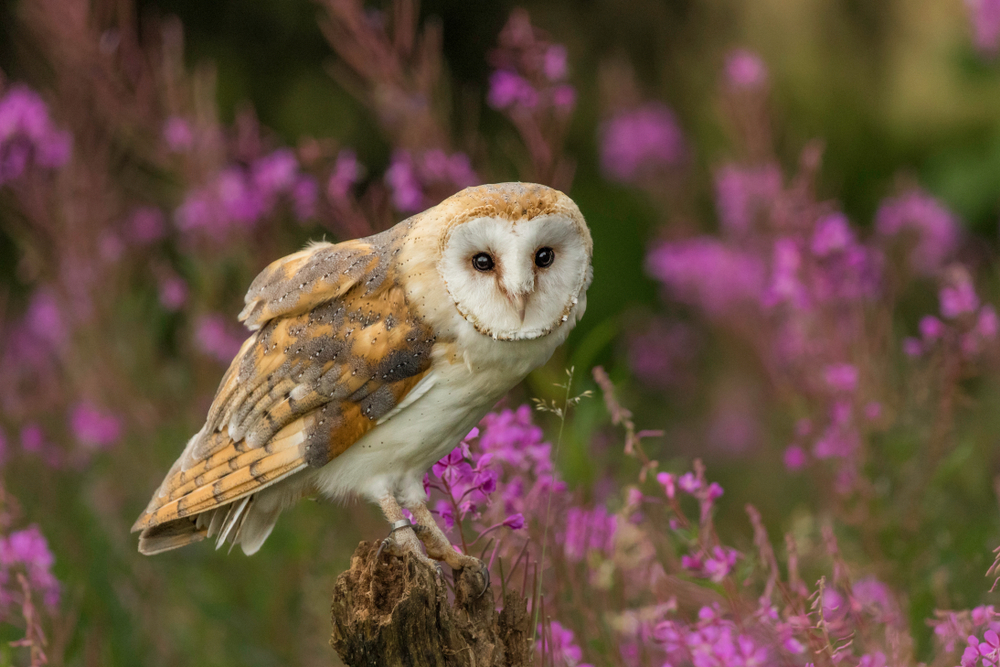
Barn owls are frequently found in the park’s meadows and open fields, hunting for voles, mice, and other small mammals during twilight hours.

Kestrels are small falcons that hover above the park’s grasslands, using their sharp vision to spot small mammals and insects from the air.

Stonechats are small birds often seen perched on bushes and fences in the park’s heathlands, known for their distinctive call and bright chest markings.

Goldfinches are colorful songbirds often spotted in the park’s meadows and woodlands, feeding on seeds and adding vibrant flashes of red and gold to the landscape.

Kalo Castle

Kalo Castle

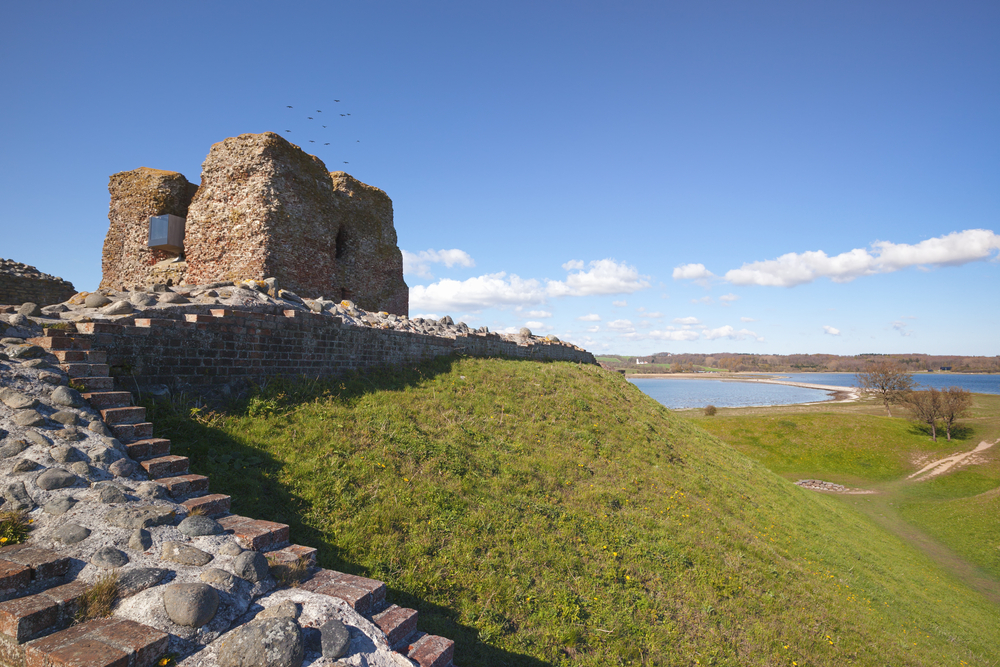
Kalo Castle (in Danish: Kalø Slot) is a ruined medieval fortress located on the Djursland Peninsula in eastern Denmark. Built in 1313 by King Erik Menved, the castle was constructed as part of a royal initiative to control rebellious nobles in the region.

Situated on a small island connected to the mainland by a long, cobbled causeway, Kalo Castle’s strategic location made it a key defensive stronghold during Denmark’s medieval period.

Although now in ruins, the remains of the castle walls and towers offer a fascinating glimpse into its former grandeur. Visitors can explore the stone foundations and the remnants of the gatehouse, while enjoying panoramic views of the surrounding Kaløvig Bay and rolling Danish countryside.

The castle grounds are also a popular spot for nature walks, with the area being rich in wildlife and offering scenic paths through forests and along the coastline.

Kalo Castle is not only a historically significant site but also a tranquil destination for those interested in Denmark’s medieval heritage and natural beauty.

Things To Do

Engaging Mols Bjerge
Hiking

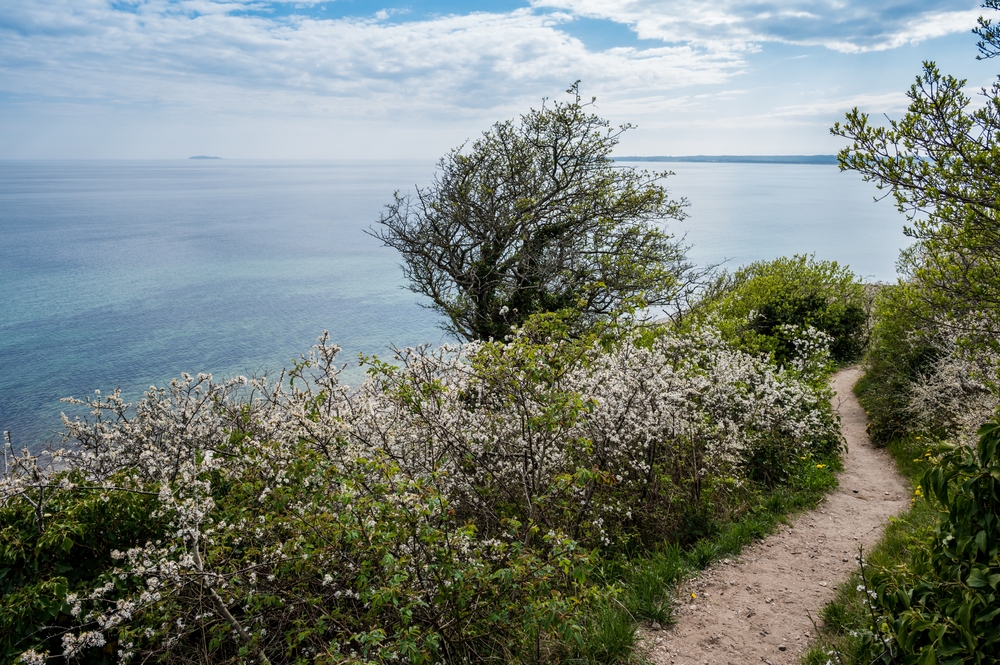
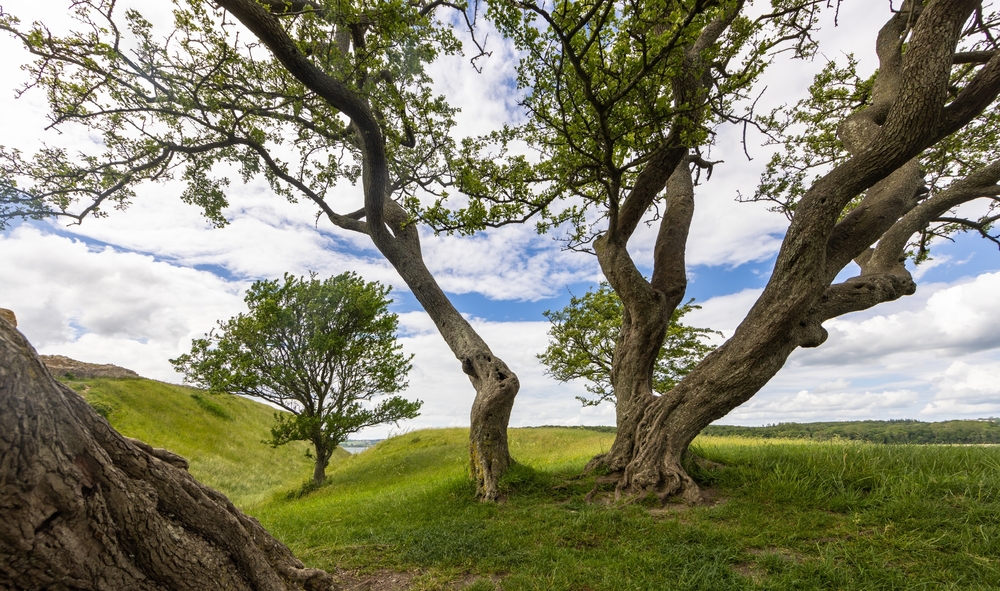
Mols Bjerge National Park offers a network of hiking trails that lead through its scenic rolling hills, forests, and open heathlands. The park’s diverse landscape, formed by ancient glaciers, provides stunning views over the Djursland peninsula and surrounding areas.

Visitors can enjoy peaceful walks through the countryside, with chances to spot local wildlife such as deer, hares, and various bird species. The trails vary in difficulty, making them accessible for both casual walkers and experienced hikers. Scenic viewpoints along the way offer perfect spots for photography and rest.

Exploring Castle Ruins

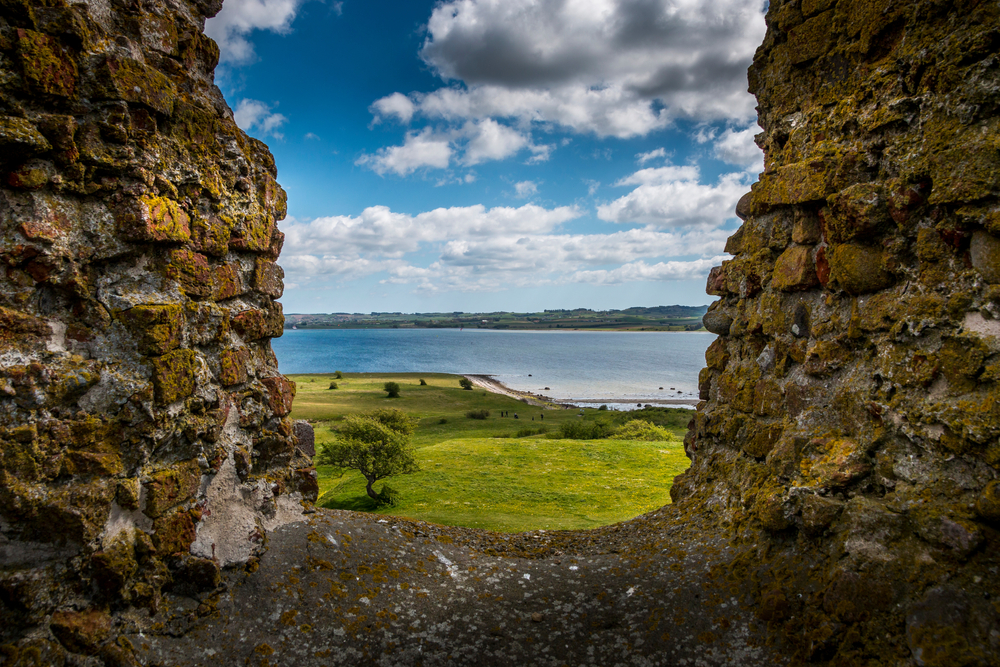
visit to the medieval Kalø Castle ruins is a must for history enthusiasts. Located on a small island in the park, the castle dates back to the 14th century and is accessible by a scenic cobbled causeway.

Visitors can explore the ruins, learn about the castle’s history, and enjoy the panoramic views of the surrounding sea and landscape. The nearby area offers picnic spots and walking paths, making it a perfect blend of history and nature.

Cycling

Cycling is a great way to experience the coastal beauty of Mols Bjerge National Park. The park offers designated cycling paths that wind through its varied landscapes, including beaches, forests, and farmlands.

Cyclists can explore quiet coastal villages, stop at scenic beaches, and enjoy the fresh sea air. The routes are suitable for all levels and provide a leisurely way to experience the park’s natural and cultural highlights, with plenty of opportunities to stop for a picnic or a swim.

placeholder

Birdwatching

Stubbe Lake, the largest lake in Djursland, is a key spot for birdwatching within the park. Surrounded by wetlands and forest, the lake attracts a wide variety of bird species, including herons, ducks, and migratory birds.

Visitors can explore the area on foot or use observation platforms to quietly watch the birds in their natural habitat. Birdwatching tours and independent exploration offer opportunities to connect with the park’s rich biodiversity, especially during migration seasons.

Horseback Riding

Mols Bjerge National Park offers horseback riding routes for visitors looking to explore the park from a unique perspective. Riding through the park’s open landscapes, meadows, and forests allows for a peaceful and immersive experience.

Riders of all levels can enjoy guided tours that take them through the park’s diverse terrain, with stunning views of the hills, coastlines, and surrounding countryside. Horseback riding provides an intimate connection to nature, allowing visitors to enjoy the park’s beauty in a serene and relaxing way.

Sources

All Trails, Best Trails in Mols Bjerge National Park, https://www.alltrails.com/ar/parks/denmark/central-denmark/nationalpark-mols-bjerge, retrieved August 2024.

Lonely Planet, Mols Bjerge National Park, https://www.lonelyplanet.com/denmark/djursland/attractions/mols-bjerge-national-park/a/poi-sig/1571492/1329817, retrieved August 2024.

Park Site, Mols Bjerge National Park, https://eng.nationalparkmolsbjerge.dk/, retrieved August 2024.

Visit Aarhus, Mols Bjerge National Park, https://www.visitaarhus.com/aarhus-region/plan-your-trip/mols-bjerge-national-park-gdk935587, retrieved August 2024.

Wikipedia, Mols Bjerge National Park, https://en.wikipedia.org/wiki/Mols_Bjerge_National_Park, retrieved August 2024.