

About
Krka National Park (in Croatian: Nacionalni park Krka) is located in central Dalmatia in southern Croatia, approximately midway between the cities of Zadar and Split. The park covers approximately 42 square miles (109 sq km) and protects a spectacular section of the Krka River and its surrounding landscapes.
Established in 1985, Krka National Park preserves one of Croatia’s most important freshwater ecosystems, renowned for its waterfalls, travertine formations, canyons, and historic sites. The park stretches along the middle and lower reaches of the Krka River before it empties into the Adriatic Sea. Today, Krka is one of Croatia’s most visited and celebrated national parks, attracting travelers from around the world.
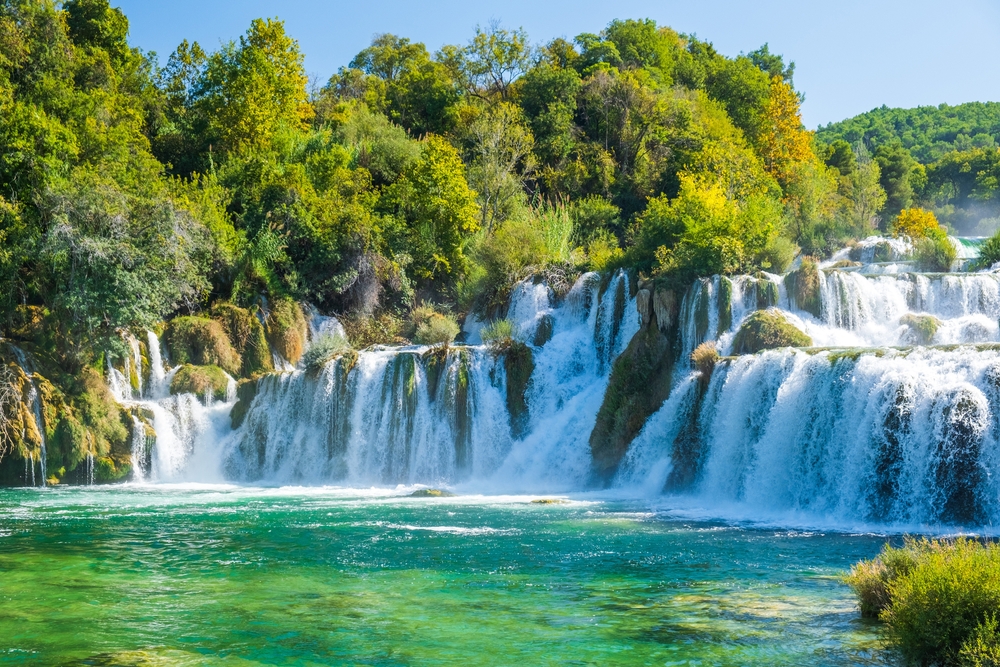
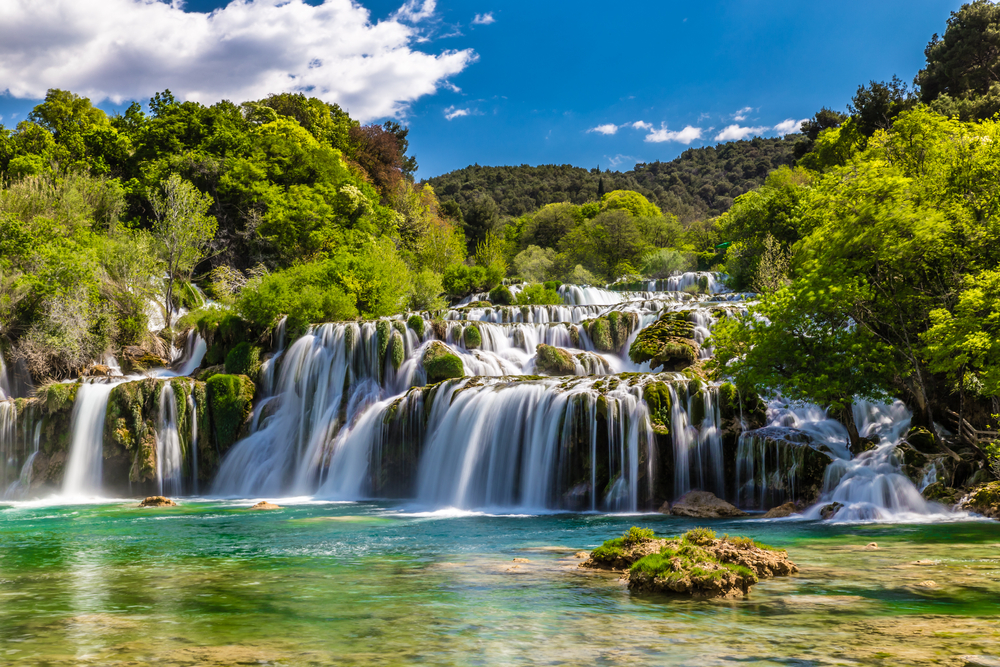
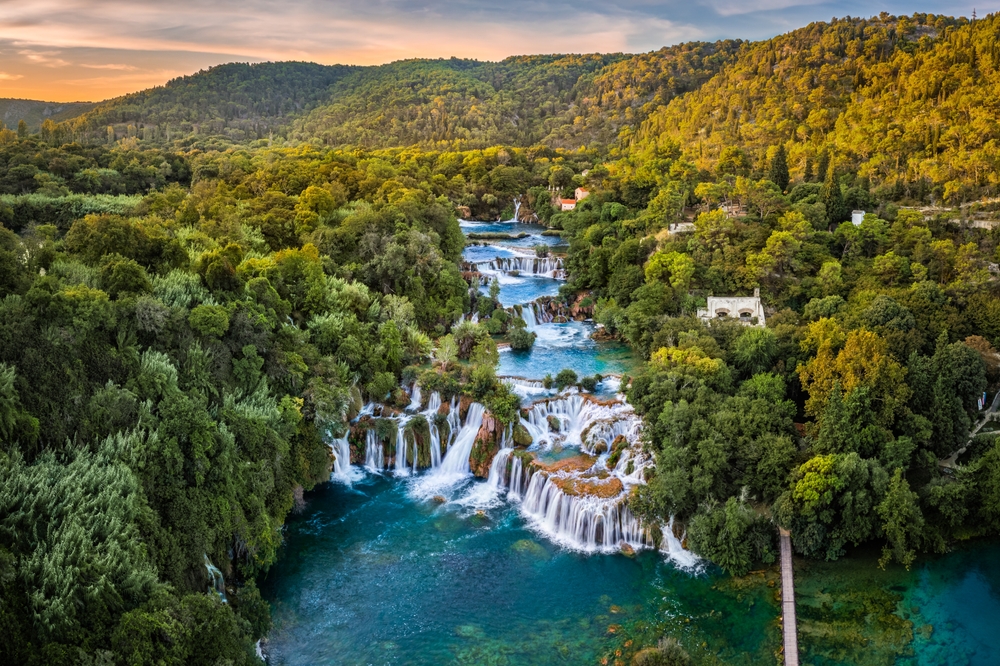
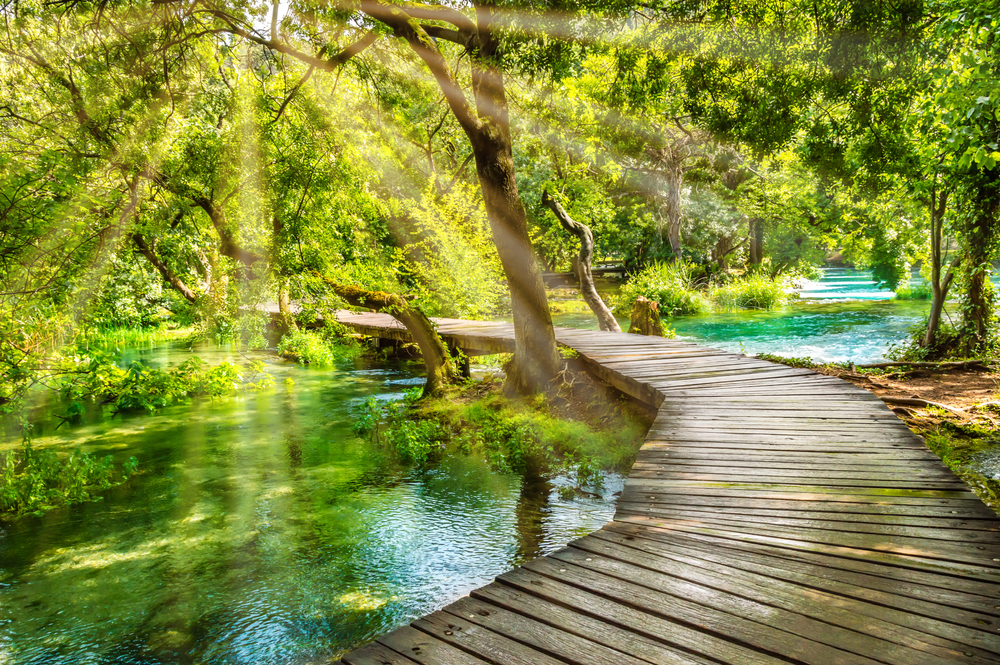
Krka National Park is best known for its magnificent waterfalls, particularly Skradinski Buk, one of Europe’s most beautiful waterfall systems. Visitors are drawn to a series of cascading falls, emerald pools, wooden boardwalks, and scenic river landscapes that create a breathtaking natural setting. The park offers opportunities for hiking, boating, wildlife observation, photography, and cultural exploration.
Boat excursions connect several sections of the park, allowing visitors to experience waterfalls, monasteries, and historic sites situated along the river. The combination of natural beauty and cultural heritage makes Krka one of the most distinctive protected areas in southeastern Europe.
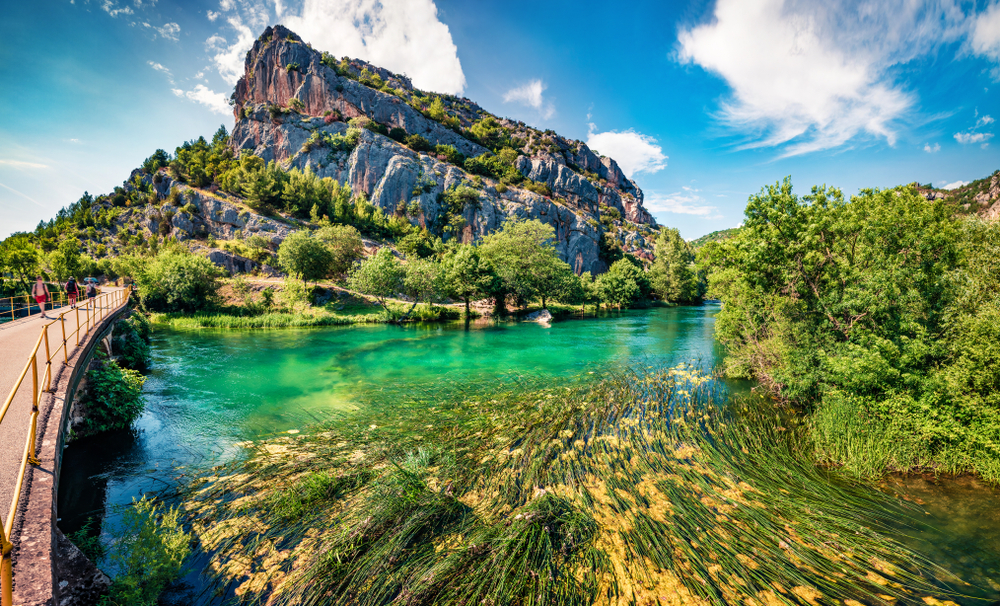
The geography of Krka National Park is defined by the Krka River, which has carved deep canyons through limestone and karst landscapes over thousands of years. The park contains seven major waterfalls, numerous rapids, and extensive travertine barriers formed by mineral-rich waters. The largest and most famous waterfall complex, Skradinski Buk, consists of multiple cascades spread across a broad section of the river.
The landscape also includes forests, wetlands, rocky cliffs, caves, and freshwater habitats that support a rich diversity of plant and animal life. The interaction between water, limestone geology, and vegetation has created one of the most significant karst river systems in Europe.
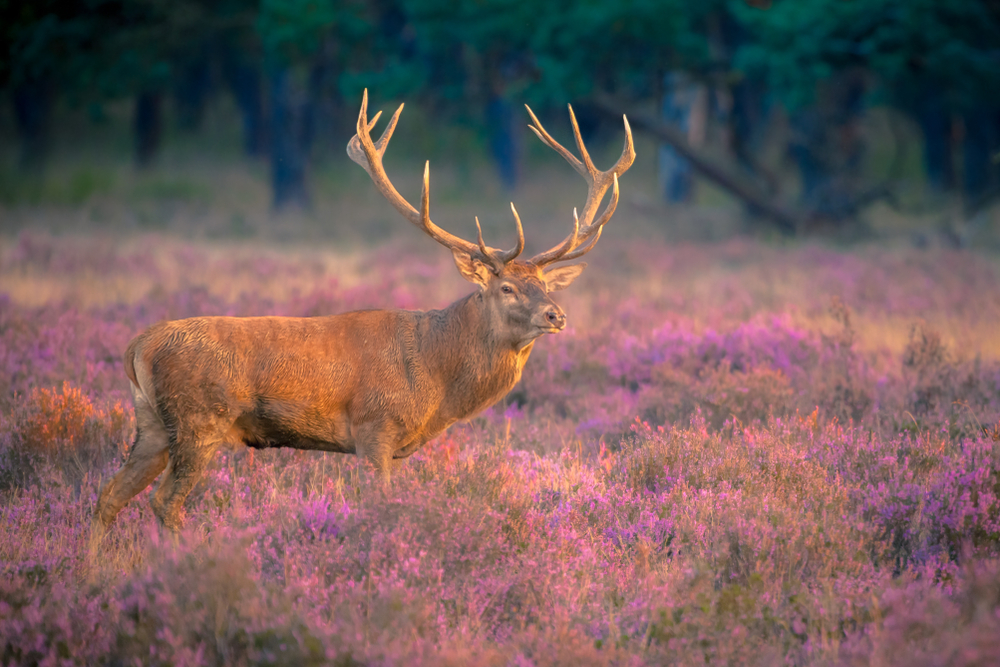
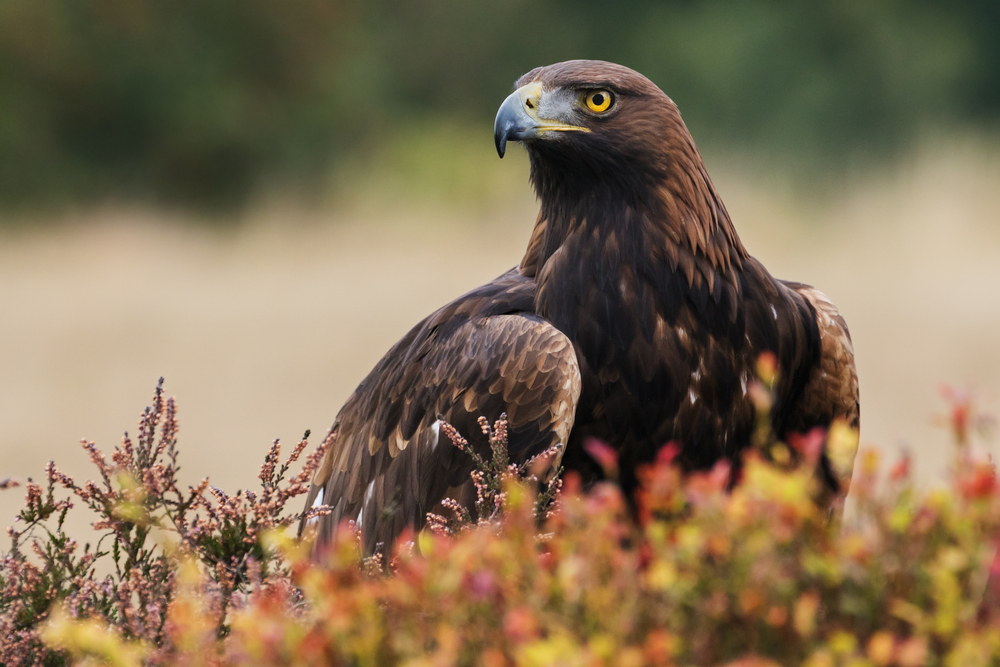
Wildlife within Krka National Park is remarkably diverse. More than 860 plant species have been recorded throughout the park, reflecting the variety of habitats found within the river valley. Mammals include otters, wild boar, foxes, martens, and several bat species. Birdlife is especially important, with more than 220 recorded species utilizing the park’s wetlands, forests, and cliffs. Herons, eagles, owls, kingfishers, cormorants, and numerous migratory birds inhabit the area.
The river itself supports a variety of freshwater fish and aquatic organisms, many of which are adapted to the unique conditions created by the park’s travertine ecosystems. This combination of aquatic and terrestrial biodiversity contributes significantly to the park’s conservation value.
Krka National Park plays a vital role in protecting one of Europe’s most significant freshwater and karst ecosystems. The park safeguards unique geological formations, rare habitats, and important wildlife populations while preserving cultural landmarks such as the historic Visovac Monastery and the Krka Monastery. Its conservation significance is often compared to Plitvice Lakes National Park because of its spectacular waterfalls and interconnected freshwater systems.
However, Krka’s river canyons, historic monasteries, and extensive travertine cascades give it a unique character all its own. Today, Krka National Park remains one of Croatia’s most treasured natural destinations, preserving a landscape where flowing water, rich biodiversity, and centuries of cultural history come together in extraordinary harmony.
Things to See

Things To Do
Engaging Krka National Park

Sources
Croatia, Krka National Park, https://croatia.hr/en-gb/nature/krka, retrieved August 2024.
Jana in the World, Guide to Krka, https://www.janaintheworld.com/8-2022/guide-to-krka-national-park-places-you-cannot-miss-and-a-waterfall-restaurant, retrieved August 2024.
Lonely Planet, Krka National Park, https://www.lonelyplanet.com/croatia/krka-national-park, retrieved August 2024.
National Park Krka, Park Site, https://www.npkrka.hr/en_US/, retrieved August 2024.
Visit Croatia, Krka National Park, https://www.visit-croatia.co.uk/croatia-destinations/north-dalmatia/krka-national-park/, retrieved August 2024.
Wikipedia, Krka National Park, https://en.wikipedia.org/wiki/Krka_National_Park, retrieved August 2024.