

About
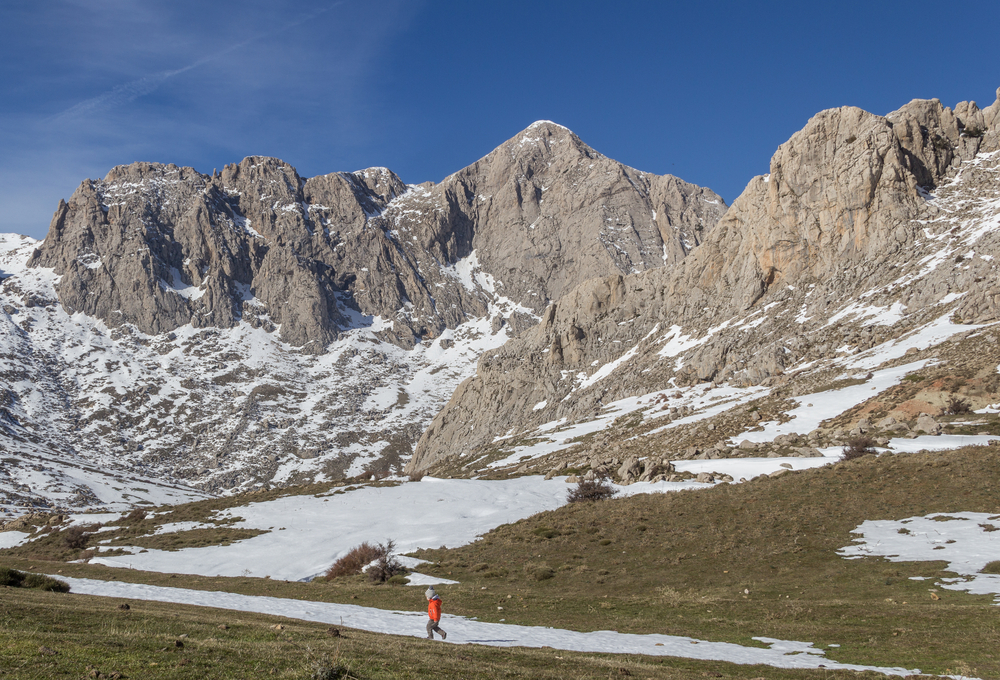
Djurdjura National Park (French: Parc National du Djurdjura; Arabic: الحديقة الوطنية لجرجرة) is located in northern Algeria within the Kabylie region of the Tell Atlas Mountains, approximately 60 miles (100 km) east of Algiers. Established in 1983, the park covers approximately 71 square miles (185 sq km) and protects one of Algeria’s most spectacular mountain landscapes.
Named after the Djurdjura Mountain Range, the park encompasses rugged peaks, deep valleys, forests, and alpine habitats that rise dramatically above the surrounding countryside. Together with nearby mountain protected areas, Djurdjura National Park preserves an important portion of North Africa’s Mediterranean mountain ecosystems.
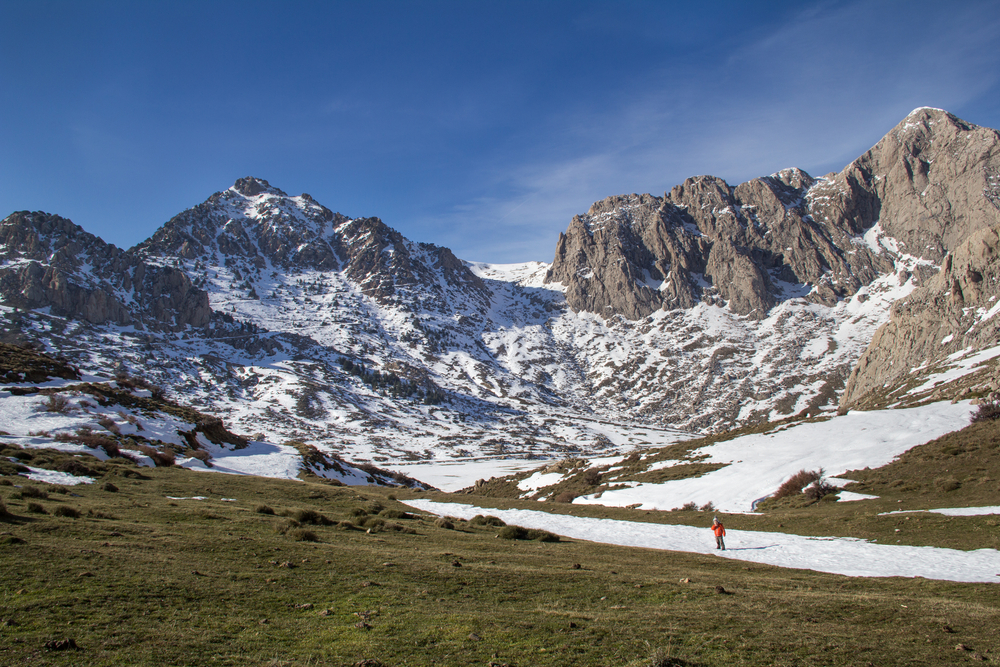
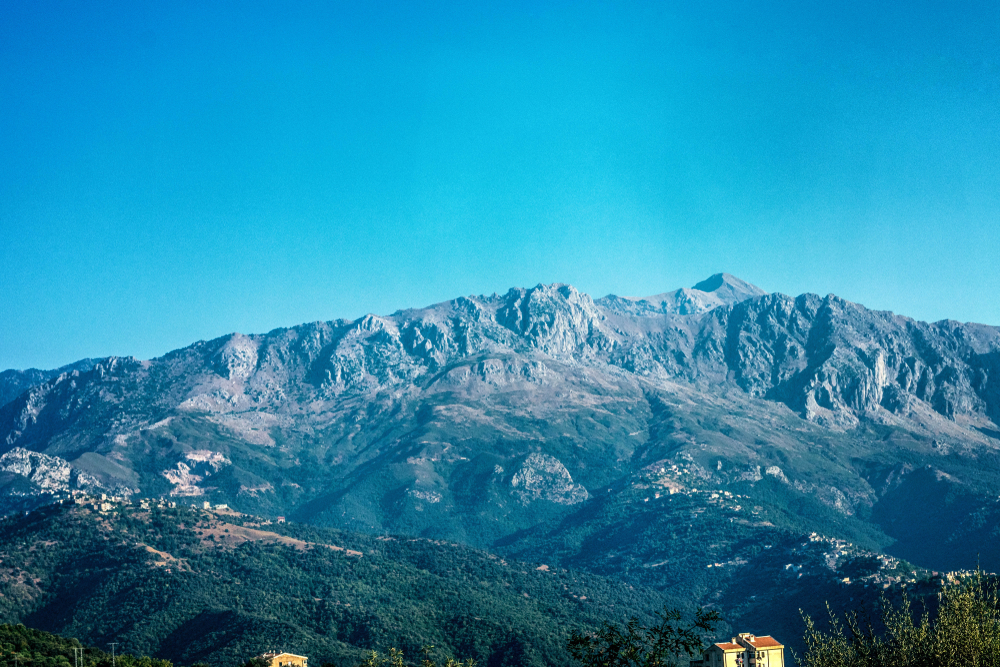
The park is best known for its towering limestone peaks, dramatic cliffs, and year-round scenic beauty. The highest summit within the range, Lalla Khedidja, reaches approximately 7,572 feet (2,308 m), making it one of the highest mountains in northern Algeria. Visitors are attracted by exceptional hiking opportunities, panoramic viewpoints, caves, and winter snow-covered landscapes.
During the colder months, snowfall transforms portions of the park into one of Algeria’s premier mountain recreation destinations. The rugged scenery, combined with the cultural heritage of the Kabylie region, creates a unique visitor experience unlike anywhere else in the country.
Geographically, Djurdjura National Park is characterized by steep limestone ridges, karst formations, deep gorges, sinkholes, and alpine meadows. The mountain range has been shaped over thousands of years by tectonic activity and erosion, resulting in a landscape filled with caves and striking rock formations.
Dense forests cover many slopes and include stands of Atlas cedar, holm oak, juniper, and Aleppo pine. Higher elevations support grasslands and alpine vegetation adapted to cooler temperatures. Seasonal streams and springs provide water throughout the park and contribute to the rich biodiversity of the region.
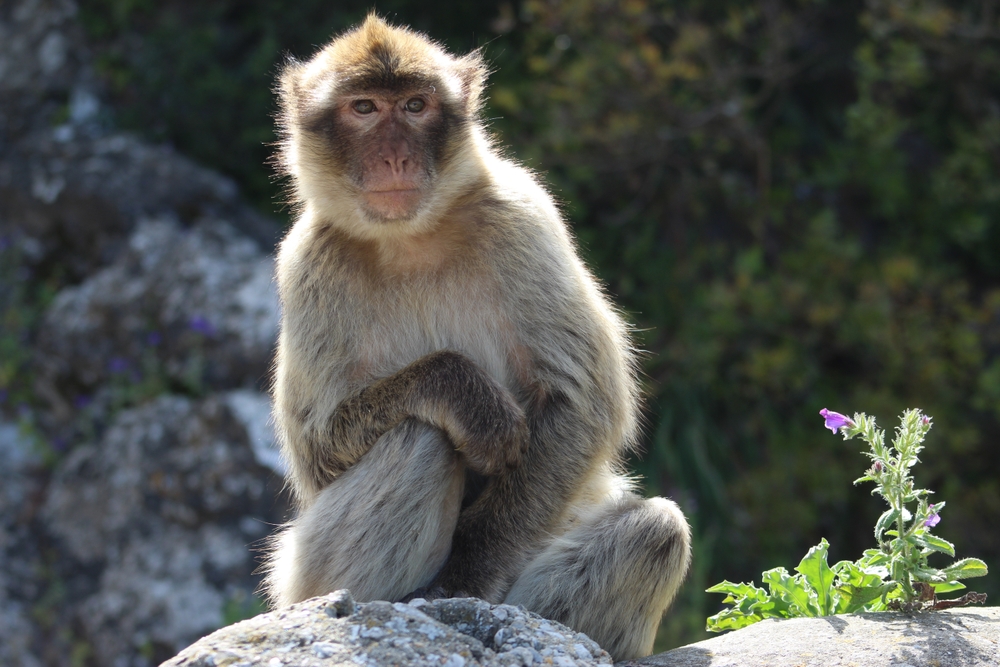
The park is particularly important for wildlife conservation. One of its most celebrated inhabitants is the endangered Barbary macaque, the only monkey native to North Africa. Djurdjura supports one of the most significant populations of this species in Algeria. Other mammals found within the park include wild boar, jackals, foxes, genets, and small carnivores adapted to mountain environments.
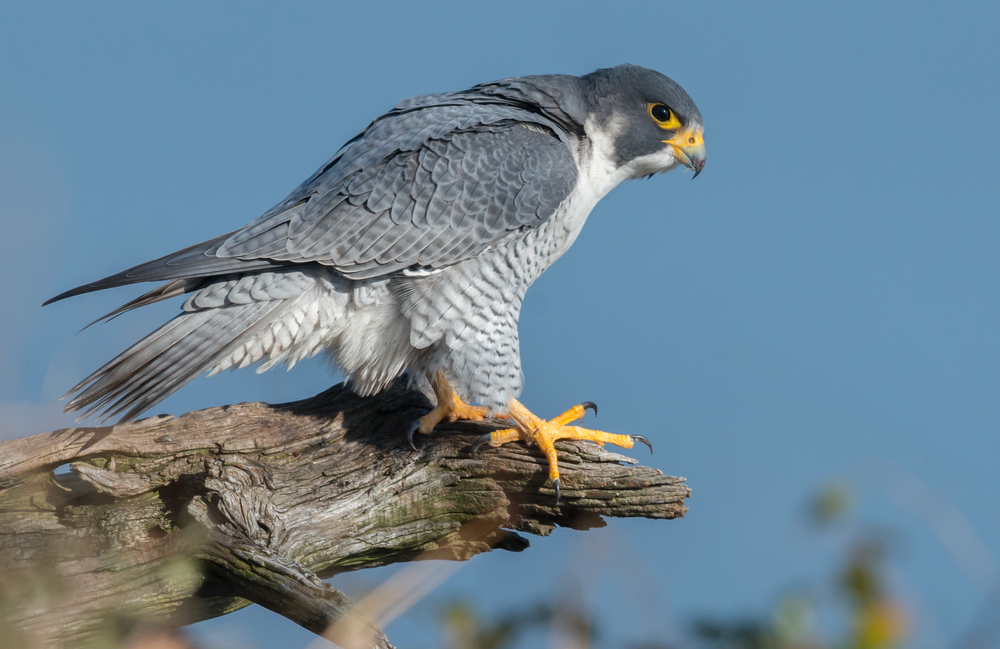
Birdlife is diverse and includes golden eagles, peregrine falcons, owls, woodpeckers, and numerous migratory species. Reptiles and amphibians inhabit forested and wetland areas, contributing to the park’s ecological richness.
Djurdjura National Park plays a critical role in preserving Algeria’s mountain biodiversity and protecting habitats that are increasingly threatened by human activity and climate change. The park safeguards important watersheds, rare plant communities, and populations of endangered species such as the Barbary macaque.
Its ecological significance is often compared to mountain reserves such as Talassemtane National Park and Picos de Europa National Park, where rugged peaks and forest ecosystems support unique wildlife. Through its soaring mountains, ancient forests, remarkable geology, and conservation of rare species, Djurdjura National Park stands as one of Algeria’s most treasured natural landscapes and a vital refuge for North African biodiversity.
Things to See
Things To Do
Engaging Djurdjura National Park

FAQ’s
What is the main reason people visit Djurdjura National Park?
Djurdjura National Park is primarily visited for its spectacular mountain scenery, hiking opportunities, unique wildlife, and snow-covered peaks. Located in the Kabylie region of northern Algeria, the park protects a large portion of the Djurdjura Mountains, part of the Atlas Mountain system.
Visitors come to explore dramatic limestone ridges, deep gorges, caves, alpine meadows, cedar forests, and some of Algeria’s most impressive mountain landscapes. The park is also one of the best places in North Africa to see the endangered Barbary macaque in the wild.
What animals can visitors hope to see in Djurdjura National Park?
Djurdjura National Park supports approximately 37 mammal species and more than 20 reptile species. The park’s forests, cliffs, alpine habitats, and valleys provide refuge for several important North African species, including the region’s largest population of Barbary macaques.
Some of the most notable mammals and reptiles found in Djurdjura National Park include:
- Barbary Macaque
- Barbary Sheep (Aoudad)
- Wild Boar
- Golden Jackal
- Red Fox
- African Wildcat
- Caracal
- Common Genet
- Egyptian Mongoose
- Least Weasel
- European Otter
- Striped Hyena (rare)
- North African Hedgehog
- Algerian Hedgehog
- Cape Hare
- European Rabbit
- Rock Hyrax
- Garden Dormouse
- Fat Dormouse
- Wood Mouse
- Algerian Mouse
- North African Gundi
- Porcupine
- Brown Rat
- Black Rat
- House Mouse
- Lesser Horseshoe Bat
- Greater Horseshoe Bat
- Schreiber’s Bat
- Long-eared Bat
- Pipistrelle Bat
- Mediterranean Horseshoe Bat
- Mouse-eared Bat
- Forest Shrew
- Algerian Shrew
- Various Vole Species
- Various Bat Species
- Moorish Gecko
- Mediterranean House Gecko
- Ocellated Lizard
- Algerian Psammodromus
- North African Wall Lizard
- Spur-thighed Tortoise
- Montpellier Snake
- Horseshoe Whip Snake
- Ladder Snake
- Viperine Snake
- Lataste’s Viper
- Algerian Skink
- North African Chameleon
What birds can visitors hope to see in Djurdjura National Park?
Djurdjura National Park is one of Algeria’s premier birdwatching destinations, with more than 120 recorded bird species. The park’s mountain forests, cliffs, and alpine habitats support a mixture of resident Mediterranean birds, North African specialties, and migratory species that travel between Europe and Africa.
Some of the most popular birds seen in Djurdjura National Park include:
- Golden Eagle
- Bonelli’s Eagle
- Short-toed Snake Eagle
- Booted Eagle
- Peregrine Falcon
- Common Kestrel
- Barbary Falcon
- Eurasian Sparrowhawk
- Northern Goshawk
- Griffon Vulture
- Egyptian Vulture
- Eurasian Eagle-Owl
- Little Owl
- Tawny Owl
- Alpine Chough
- Red-billed Chough
- Common Raven
- Blue Rock Thrush
- Rock Sparrow
- House Bunting
- Cirl Bunting
- Corn Bunting
- European Goldfinch
- European Serin
- Hawfinch
- Common Chaffinch
- European Greenfinch
- Firecrest
- Common Chiffchaff
- Sardinian Warbler
- Spectacled Warbler
- Blackcap
- Eurasian Wren
- European Robin
- Black Redstart
- Northern Wheatear
- Blue Tit
- Great Tit
- Coal Tit
- Short-toed Treecreeper
- Eurasian Nuthatch
- Woodlark
- Thekla’s Lark
- Crag Martin
- Barn Swallow
- Alpine Swift
- Common Swift
- European Bee-eater
- Eurasian Hoopoe
- Great Spotted Woodpecker
Is Djurdjura National Park worth visiting?
Yes, Djurdjura National Park is absolutely worth visiting. It is one of Algeria’s most beautiful protected areas and offers a combination of mountain scenery, wildlife, hiking, cultural experiences, and winter recreation that is difficult to find elsewhere in North Africa.
Visitors who enjoy mountain environments, photography, wildlife observation, and outdoor activities will likely find the park highly rewarding. The only limitation is that visitors seeking traditional African safari wildlife will not find large concentrations of mammals comparable to parks in East or Southern Africa.
What is the best time to visit Djurdjura National Park?
The best time to visit Djurdjura National Park depends on the experience desired:
- April to June: Wildflowers, pleasant temperatures, and excellent hiking.
- September to October: Comfortable weather and clear mountain views.
- December to February: Snow sports and winter scenery.
Spring and autumn are generally considered the best overall seasons for most visitors.
How many days do you need to visit Djurdjura National Park?
Most visitors should plan for 2 to 3 days.
- 1 day: Scenic viewpoints and short hikes.
- 2 days: Hiking, wildlife viewing, and exploration of key mountain areas.
- 3 days: More extensive trekking, photography, and cultural experiences in the surrounding Kabylie region.
Experienced hikers may wish to spend additional time exploring the park’s extensive trail network.
How do you get to Djurdjura National Park?
Djurdjura National Park is located in northern Algeria, approximately 120 kilometers southeast of Algiers.
Most visitors:
- Fly into Algiers.
- Travel by road to the Kabylie region.
- Access the park through towns such as Tizi Ouzou or Bougira.
The drive from Algiers typically takes between 2 and 3 hours depending on traffic and weather conditions.
Is Djurdjura National Park safe for tourists?
Djurdjura National Park is generally considered safe for tourists and is one of Algeria’s most visited natural attractions.
Visitors should:
- Follow marked trails.
- Be prepared for changing mountain weather.
- Use local guides for longer hikes.
- Carry adequate water and supplies.
- Check local conditions before visiting during winter.
As with travel anywhere, monitoring current travel advisories is recommended. Always check with your country’s State Department for recommendations.
Who is involved in protecting and supporting Djurdjura National Park?
Several organizations help protect Djurdjura National Park:
- Direction Générale des Forêts – the government agency responsible for managing Algeria’s national parks.
- Parc National du Djurdjura – the park’s management authority responsible for conservation, research, and visitor services.
- Association de Protection de l’Environnement de Kabylie – supports environmental awareness and conservation initiatives in the region.
- Universities and scientific institutions conducting research on the park’s biodiversity and ecosystems.
- Local Kabyle communities that contribute to sustainable management and conservation of the surrounding landscape.
Does Djurdjura National Park get snow?
Yes. Djurdjura National Park is famous for its winter snowfall. Higher elevations frequently receive significant snow during winter months, making it one of the few places in North Africa where visitors can enjoy alpine scenery and winter recreation.
Sources
Algeria, Djurdjura National Park, https://www.algeria.com/attractions/national-parks/djurdjura-national-park/, retrieved August 2024.
African Tour Operators, Djurdjura National Park, https://www.africatouroperators.org/algeria/djurdjura-national-park/, retrieved August 2024.
Archiqoo, Djurdjura National Park, https://archiqoo.com/categories/nature_reserves_sub_lists.php?subsite=djurdjura_national_park, retrieved August 2024.
Live the World, Djurdjura National Park, https://www.livetheworld.com/activities/algeria/djurdjura-national-park, retrieved August 2024.
Wikipedia, Djurdjura National Park, https://en.wikipedia.org/wiki/Djurdjura_National_Park, retrieved August 2024.