About

Fazao-Malfakassa National Park is the largest national park in Togo, located in the central part of the country, straddling the regions of Kara and Centrale. Established in 1975, the park covers an area of approximately 780 square miles (2,000 square kilometers), making it a key area for conservation and biodiversity in Togo. The park is named after the two main geographic features in the region: the Fazao Hills and the Malfakassa Mountains, which provide a striking backdrop to the park’s varied landscapes.

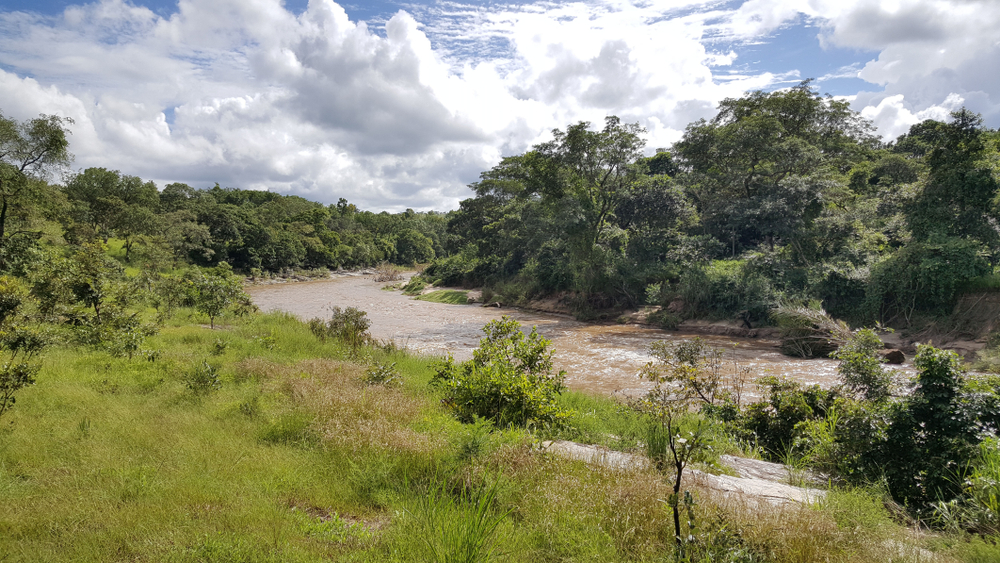
The landscape of Fazao-Malfakassa National Park is a mix of savannah, woodland, and dense forests, with undulating hills and rugged mountains that create a dynamic environment. The park’s terrain ranges from open grasslands to thickly forested areas, offering a diversity of habitats for wildlife. The mountainous regions are particularly lush, with streams and waterfalls flowing through valleys, while the savannah areas support more open, grassy plains.

The park is home to a wide range of flora and fauna, with its forests providing shelter for numerous species of plants, trees, and animals. Elephants, buffaloes, antelopes, and monkeys are among the larger mammals that can be found in the park, while smaller species like warthogs and various reptiles also thrive here. Fazao-Malfakassa is also known for its rich birdlife, with numerous species of both resident and migratory birds, making it a popular destination for birdwatchers.

The park’s vegetation is marked by a mix of moist semi-deciduous forests, dry savannah, and gallery forests that line the rivers. These ecosystems are critical for the survival of the diverse wildlife found within the park and contribute to Fazao-Malfakassa’s reputation as one of Togo’s most important natural areas for biodiversity conservation and eco-tourism

Things to See

Predator Species

Fazao-Malfakassa National Park is home to a range of predator species that thrive in its diverse habitats, from savannahs to forested areas.

Leopards are elusive and stealthy hunters, relying on their agility to ambush prey such as antelope, often dragging their catch into trees to avoid scavengers.

Lions are powerful apex predators that hunt in prides, primarily targeting large herbivores like buffaloes and zebras in the park’s savannahs and grasslands.

Spotted hyenas are social and opportunistic scavengers that live in clans, using their strong jaws to consume carcasses, but also skilled hunters capable of bringing down prey.

African wild dogs are pack hunters known for their endurance and teamwork, chasing down medium-sized prey over long distances through the park’s open areas.

Servals are medium-sized cats with long legs and large ears, specializing in hunting small mammals and birds in the park’s grassy regions and wetlands.

Jackals are opportunistic predators and scavengers, feeding on small mammals, birds, and reptiles, often following larger predators to scavenge leftovers.

Pythons are non-venomous constrictors, using their powerful bodies to capture and suffocate prey such as small mammals and birds before swallowing them whole.

Crocodiles inhabit the park’s rivers and wetlands, ambushing fish, birds, and mammals that come to the water’s edge to drink or feed.

Monitor lizards are large reptiles that prey on a variety of species, including small mammals, birds, and eggs, often foraging near water sources.

Caracals are agile, medium-sized cats that use their powerful hind legs to leap and catch birds in mid-air, as well as hunting small mammals.

Popular Species

Fazao-Malfakassa National Park is rich in biodiversity, featuring a variety of popular species, from large herbivores to smaller mammals, that contribute to the park’s vibrant ecosystem.

Elephants are the largest mammals in the park, known for their complex social structures and role in shaping the landscape by uprooting trees and creating paths through the savannahs.

Buffaloes are large, social herbivores that travel in herds, helping to maintain grassland ecosystems through their grazing and providing prey for the park’s predators.

Giraffes are graceful browsers, feeding on acacia leaves and playing a key role in shaping the park’s tree canopy while providing a towering presence in the landscape.

Warthogs are tough, small mammals with tusks, often seen foraging in open grasslands and digging for roots and tubers using their sharp, strong snouts.

Baboons are highly social primates that forage for a wide variety of food, including fruits, seeds, and small animals, and are often seen in large troops.

Bushbucks are solitary antelopes that prefer dense undergrowth, where they forage for leaves, fruits, and shoots, relying on their camouflage to avoid predators.

Red colobus monkeys are arboreal primates that live in the park’s dense forests, feeding on leaves and fruits while moving through the canopy in social groups.

Zebras are social grazers that roam the park’s savannahs in herds, playing a critical role in maintaining grassland ecosystems through their grazing activities.

Hippos are massive, semi-aquatic herbivores that spend their days submerged in the park’s rivers and wetlands, emerging at night to graze on grasses.

Vervet monkeys are small, agile primates known for their intelligence and adaptability, often seen foraging for fruits and insects in both forests and savannahs.

Bird Species

Fazao-Malfakassa National Park is a haven for birdwatchers, offering a rich diversity of bird species that thrive in its varied landscapes, from wetlands to woodlands.

African fish eagles are majestic birds of prey often spotted near rivers and lakes, where they hunt for fish using their sharp talons and powerful beaks.

Grey crowned cranes are elegant birds known for their striking golden crown of feathers and elaborate courtship dances, often seen foraging in the park’s wetlands and grasslands.

Hornbills are large, colorful birds with distinctive bills, feeding on fruit and small animals, and often spotted flying through the park’s forests and woodlands.

Pelicans are large water birds seen near the park’s rivers and lakes, using their long beaks to scoop up fish while gliding gracefully over the water.

Kingfishers are small, brightly colored birds known for their precision diving skills, often spotted hunting fish and insects near the park’s waterways.

Weaver birds are known for their intricately woven nests, often seen in colonies in trees near water, where they forage for seeds and insects.

Marabou storks are large, scavenging birds often seen near water sources, feeding on carrion and small animals using their powerful beaks.

Cattle egrets are commonly seen following large herbivores like buffaloes and giraffes, catching insects and small animals disturbed by the movement of the larger animals.

Lilac-breasted rollers are vibrant birds known for their acrobatic flight displays and stunning plumage, often seen perched in open areas waiting to catch insects.

Pied kingfishers are striking, black-and-white birds known for their hovering flight and precision dives, often spotted hunting fish near the park’s waterways

Things To Do

Engaging Fazao-Malfakassa

placeholder

Wildlife Observation

placeholder

Guided Hikes & Nature Walks

placeholder

Birdwatching

placeholder

Mountain Trekking

Sources

Go Volunteer Togo, The Three National Parks of Togo, https://govolunteerafrica.org/the-three-national-parks-of-togo/, retrieved August 2024.

Lonely Planet, Parc National de Fazao-Malfakassa, https://www.lonelyplanet.com/togo/sokode/attractions/parc-national-de-fazao-malfakassa/a/poi-sig/1556112/1328951, retrieved August 2024.

African Tour Operators, Fazao-Malfakassa National Park, https://www.africatouroperators.org/togo/fazao-malfakassa-national-park/, retrieved August 2024.

UNESCO, Parc National de Fazao-Malfakassa, https://whc.unesco.org/en/tentativelists/6604/, retrieved August 2024.

Wikipedia, Fazao Malfakassa National Park, https://ha.wikipedia.org/wiki/Fazao_Malfakassa_National_Park, retrieved August 2024.