

About
Basse Casamance National Park (French: Parc National de la Basse-Casamance) is located in southwestern Senegal within the Casamance region near the border with Guinea-Bissau. Established in 1970, the park covers approximately 77 square miles (200 sq km) and protects one of the most biologically diverse landscapes in Senegal.
Situated within the lower Casamance Basin, the park encompasses a mosaic of forests, wetlands, savannas, and riverine habitats that differ significantly from the drier ecosystems found elsewhere in the country. Its location within the lush Casamance region makes it an important refuge for wildlife and one of Senegal’s most ecologically valuable protected areas.
The park is best known for its rich biodiversity and its role in protecting some of the last remnants of Guinea-Congolian forest ecosystems in Senegal. Visitors are drawn to its dense forests, scenic waterways, and exceptional birdwatching opportunities. Unlike the arid savannas commonly associated with much of West Africa, Basse Casamance offers a greener and more tropical environment.
The region’s abundant rainfall supports a variety of habitats that harbor species rarely found elsewhere in Senegal. Although periods of regional instability have limited tourism development, the park remains a significant conservation area and an important destination for scientific research and wildlife protection.
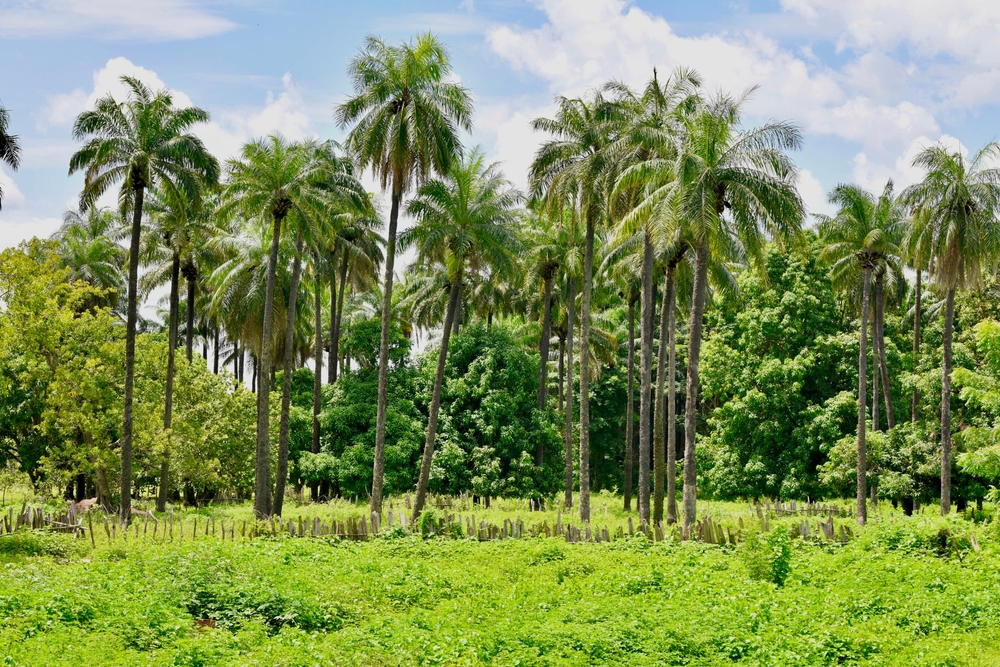
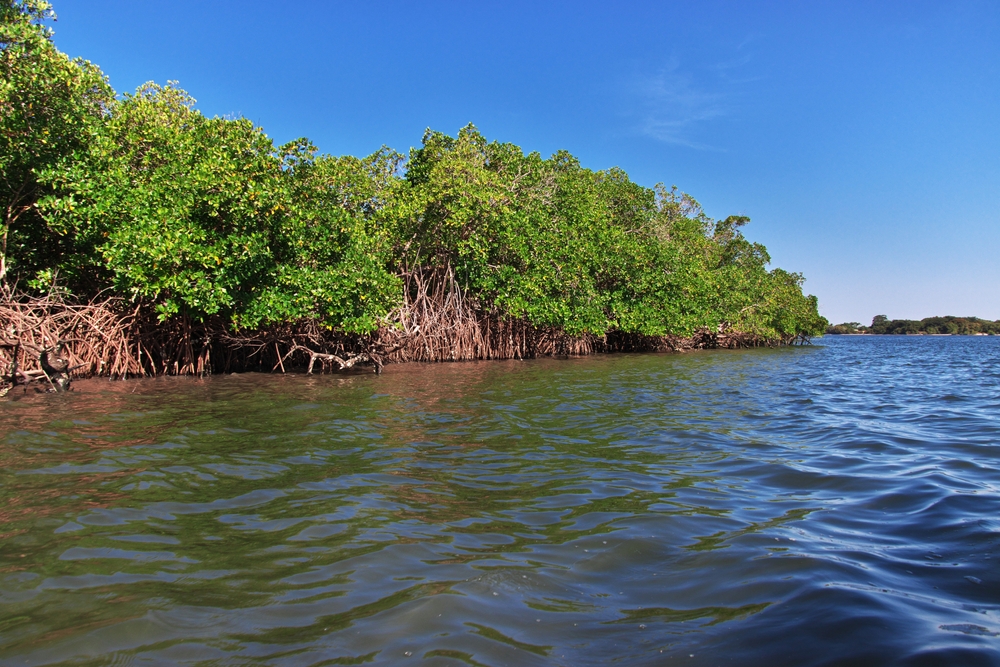
Geographically, Basse Casamance National Park is characterized by lowland forests, mangrove-lined waterways, wetlands, grasslands, and seasonal floodplains. The Casamance River and its tributaries influence much of the landscape, creating fertile conditions that support rich vegetation.
Dense forests contain towering trees, palms, vines, and understory plants typical of more humid West African environments. Mangroves occupy coastal and estuarine zones, while open savannas and wetlands provide additional ecological diversity. This variety of habitats contributes to the park’s reputation as one of Senegal’s most important biodiversity hotspots.
The park supports an impressive range of wildlife. Mammals historically found within Basse Casamance include African buffalo, bushbuck, red river hogs, patas monkeys, green monkeys, and several species of duikers. Primates are particularly important components of the ecosystem, while smaller mammals thrive in forested and wetland habitats.
Birdlife is exceptionally rich, with hundreds of species recorded. Herons, kingfishers, hornbills, bee-eaters, parrots, and numerous migratory birds inhabit the park’s forests and waterways. Reptiles, amphibians, and countless invertebrates further contribute to the ecological complexity of the region. The wetlands and mangroves are especially valuable for supporting aquatic and bird populations.
Basse Casamance National Park plays a critical role in conserving ecosystems that have become increasingly fragmented across West Africa. The park protects important forest habitats, preserves biodiversity, and safeguards ecological processes associated with the Casamance River Basin.
Its conservation value is often compared to protected tropical reserves such as Taï National Park and Sapo National Park, which also protect remnants of Upper Guinean forest ecosystems. Through its forests, wetlands, wildlife, and ecological significance, Basse Casamance National Park remains one of Senegal’s most important natural sanctuaries and a vital refuge for the biodiversity of West Africa.
Things to See
Things To Do
Engaging Basse Casamance National Park

Sources
Archiqoo, Basse Casamance National Park, https://archiqoo.com/categories/nature_reserves_sub_lists.php?subsite=basse_casamance_national_park, retrieved August 2024.
Birdlife Data Zone, Casamance National park, https://datazone.birdlife.org/site/factsheet/parc-national-de-basse-casamance-iba-senegal, retrieved August 2024.
Protected Planet, Basamance National Park, https://www.protectedplanet.net/868, retrieved August 2024.
Wikipedia, Basamance National Park, https://en.wikipedia.org/wiki/Basse_Casamance_National_Park, retrieved August 2024.