

About
Pendjari National Park (French: Parc National de la Pendjari) is located in northwestern Benin along the borders of Burkina Faso and Niger. Established in 1961, the park covers approximately 1,875 square miles (4,857 sq km) and forms the core of the larger W-Arly-Pendjari (WAP) Complex, one of the most important conservation landscapes in West Africa.
The park adjoins Arly National Park and the W National Park transboundary ecosystem, creating a vast protected region that supports some of the largest remaining wildlife populations in the region. The WAP Complex is recognized as a UNESCO World Heritage Site due to its outstanding ecological value and biodiversity.
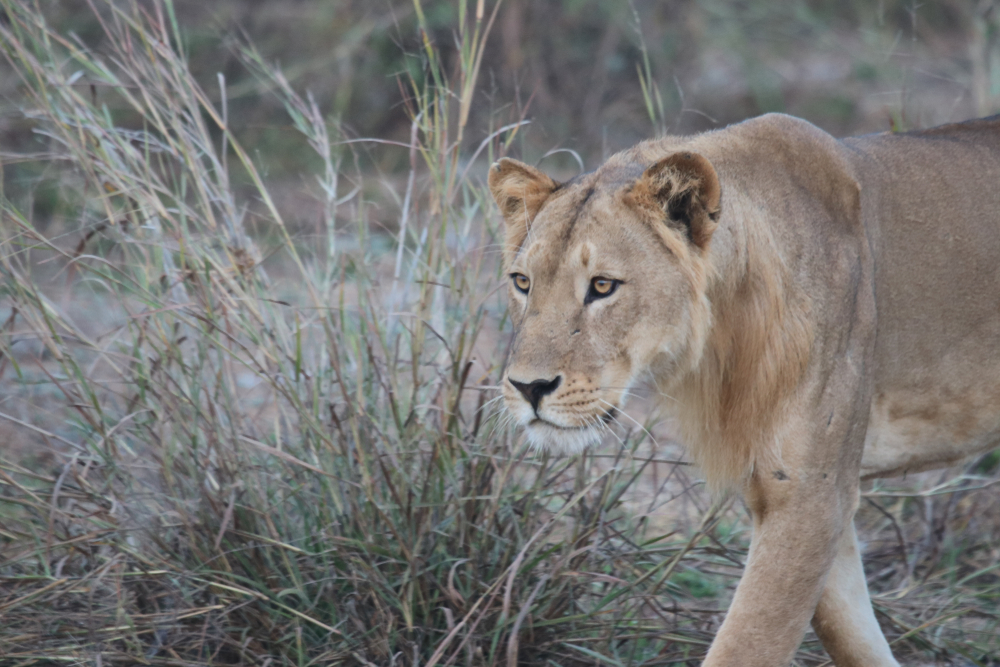
Pendjari National Park is best known for offering some of the finest wildlife viewing opportunities in West Africa. The park is one of the last strongholds for many of the region’s large mammals and is among the best places to observe the critically endangered West African lion.
Visitors come to experience classic African safari landscapes featuring elephants, antelope, buffalo, and predators roaming across open savannas. Scenic game drives, guided wildlife excursions, and birdwatching opportunities allow visitors to explore a wilderness that remains relatively untouched compared to many of Africa’s more heavily visited safari destinations.
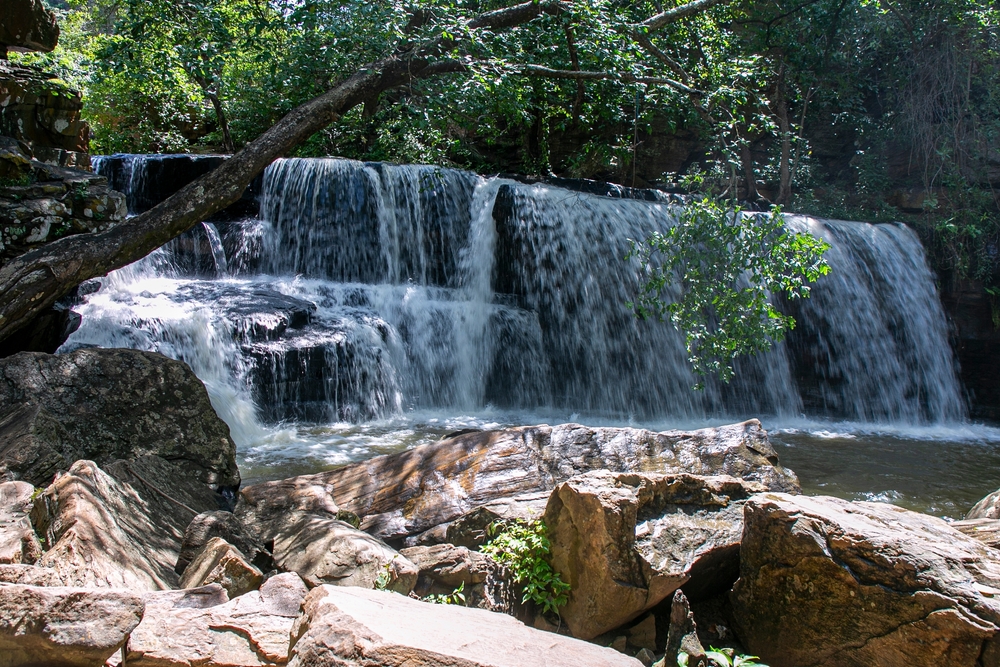
The geography of Pendjari National Park is dominated by rolling savannas, rocky hills, seasonal rivers, floodplains, and patches of woodland. The Pendjari River, which gives the park its name, flows through the protected area and creates a vital source of water for wildlife, particularly during the long dry season.
The landscape includes grasslands dotted with acacia trees, gallery forests lining waterways, and wetlands that expand during the rainy season. The Atakora Mountains form a scenic backdrop in portions of the park, adding topographical diversity to an otherwise gently rolling environment. These varied habitats support an impressive range of plant and animal life.
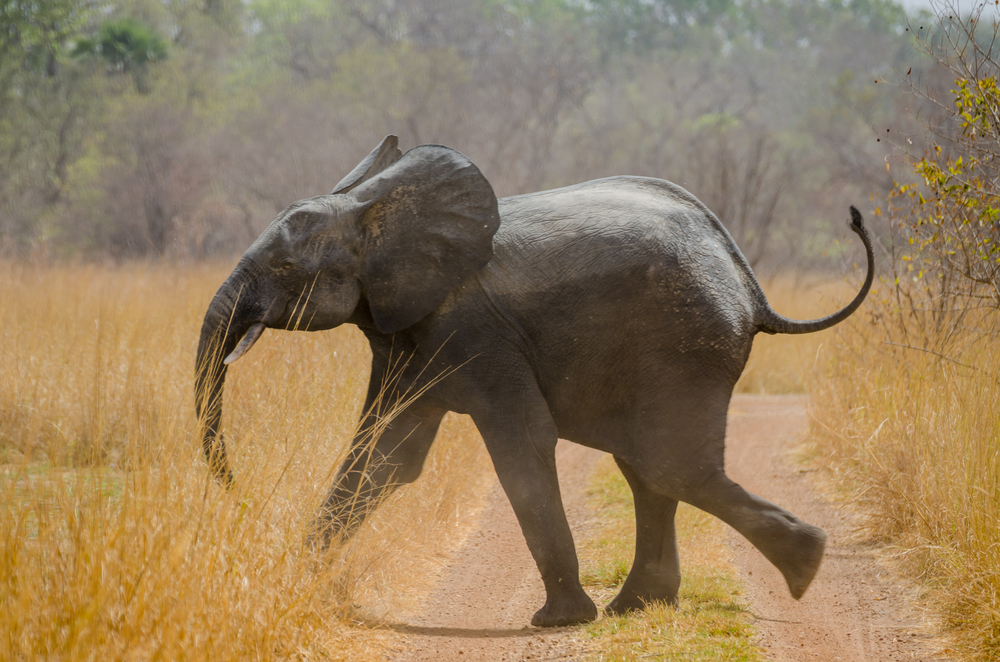
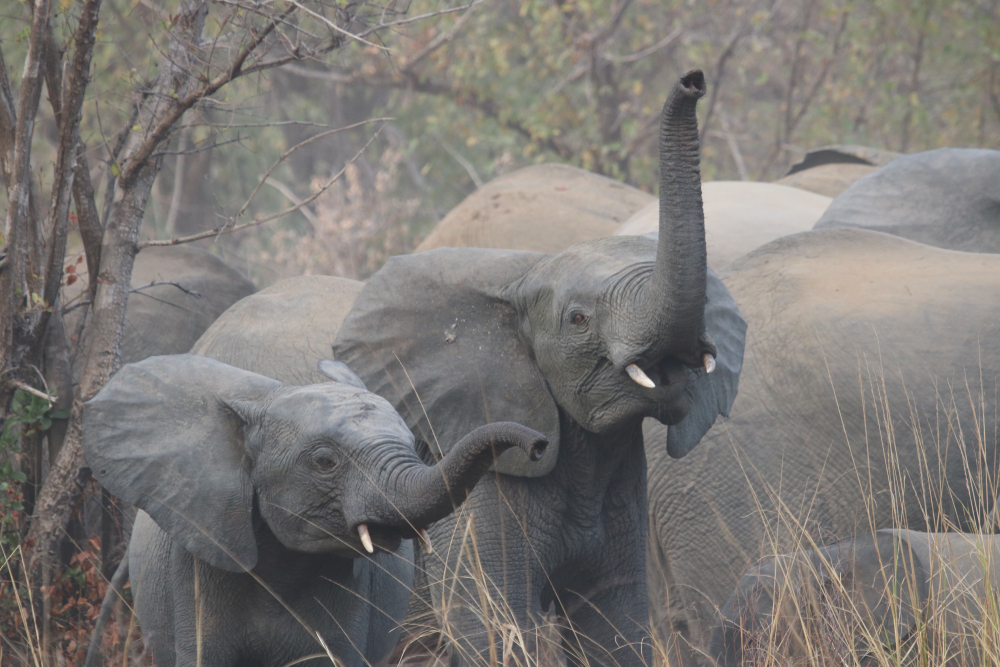
Wildlife is the defining feature of Pendjari National Park. The park supports one of the largest populations of African elephants in West Africa, along with African buffalo, hippopotamuses, warthogs, and several species of antelope including roan antelope, kob, waterbuck, and hartebeest. Predators include leopards, spotted hyenas, and the rare West African lion.
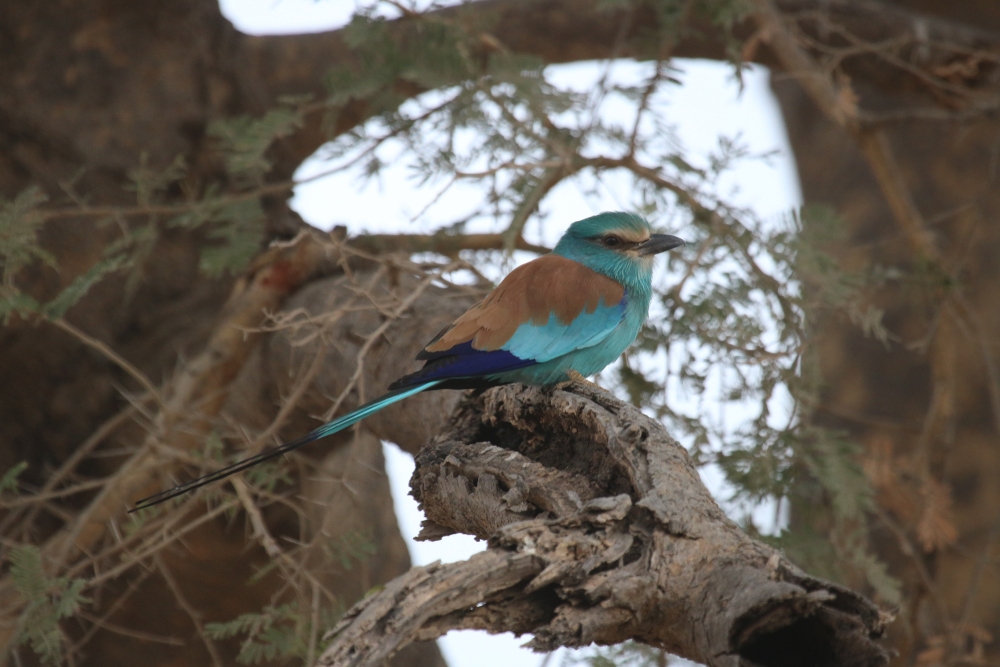
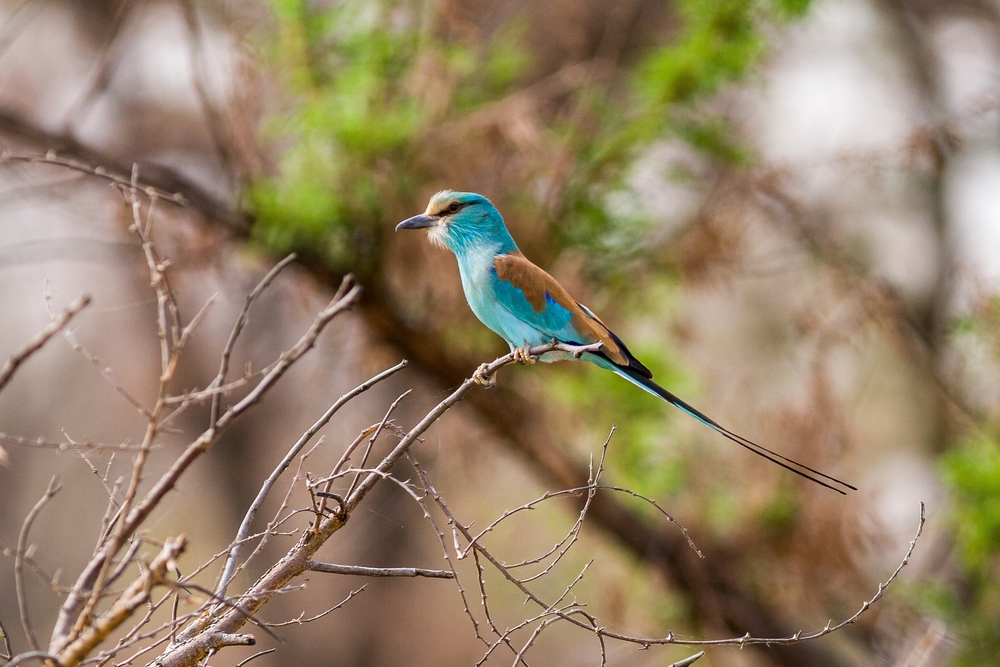
Cheetahs occasionally occur within the broader WAP ecosystem. Birdlife is exceptionally rich, with more than 460 species recorded. Raptors, hornbills, kingfishers, bee-eaters, storks, and migratory birds thrive throughout the park’s diverse habitats, making Pendjari a premier destination for birdwatchers.
Pendjari National Park plays a critical role in preserving West Africa’s remaining large mammal populations and protecting ecosystems that have disappeared from much of the region. The park serves as a refuge for endangered species and maintains important wildlife migration corridors across international borders.
Its conservation significance is often compared to renowned African reserves such as Kruger National Park and Serengeti National Park because of its wildlife abundance and ecological importance. Although less famous internationally, Pendjari is one of Africa’s greatest conservation success stories. Through its vast savannas, iconic wildlife, and role within the WAP Complex, Pendjari National Park stands as one of the most important protected areas in West Africa and a vital sanctuary for the region’s natural heritage.
Things to See
Things To Do
Engaging Pendjari National Park

Sources
Africa Parks, Pendjari, https://www.africanparks.org/the-parks/pendjari, retrieved August 2024.
Global National Parks, Pendjari National Park, https://www.globalnationalparks.com/benin/pendjari/, retrieved August 2024.
UNESCO, W-Arly-Pendjari Complex, https://whc.unesco.org/en/list/749/, retrieved August 2024.
Wikipedia, Pendjari National Park, https://simple.wikipedia.org/wiki/Pendjari_National_Park, retrieved August 2024.