


About
Cúc Phương National Park (Vietnamese: Vườn Quốc gia Cúc Phương) is located in northern Vietnam across Ninh Bình, Hòa Bình, and Thanh Hóa provinces, approximately 75 miles (120 km) southwest of Hanoi. Established in 1962, Cúc Phương was Vietnam’s first national park and remains one of the country’s most important protected areas.
Covering approximately 86 square miles (222 sq km), the park protects a vast expanse of tropical rainforest, limestone mountains, caves, and rich biodiversity. Its long conservation history and proximity to Hanoi have made it one of Vietnam’s most visited and scientifically significant national parks.
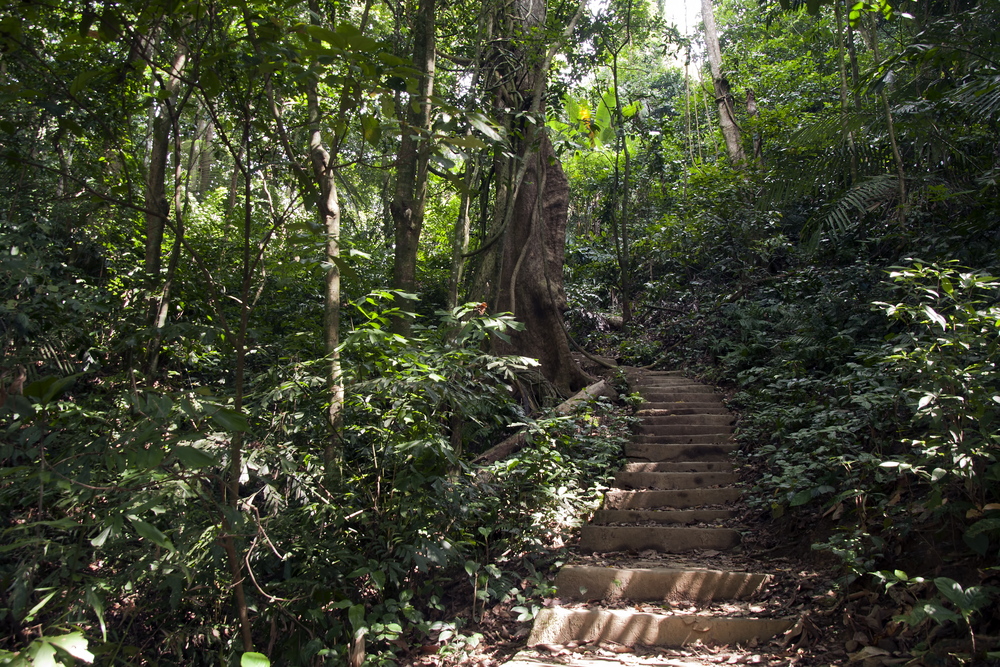
The park is best known for its ancient forests, remarkable biodiversity, and pioneering wildlife conservation programs. Visitors come to explore dense jungle trails, giant trees, prehistoric caves, and wildlife rescue centers dedicated to endangered species. One of the park’s most famous attractions is the Thousand-Year-Old Tree, a towering ancient specimen that symbolizes the longevity of the forest.
The park is also home to the renowned Endangered Primate Rescue Center and Turtle Conservation Center, which play critical roles in protecting some of Southeast Asia’s most threatened species. Hiking, birdwatching, cycling, and night wildlife excursions are among the most popular activities within the park.
Geographically, Cúc Phương National Park is dominated by a rugged karst landscape characterized by limestone mountains, valleys, caves, underground streams, and dense tropical forests. Elevations range from lowland valleys to peaks exceeding 2,100 feet (650 m). The limestone formations have been shaped over millions of years, creating extensive cave systems and dramatic topography.
The park’s warm, humid climate supports lush evergreen forests that remain green throughout the year. Numerous streams and springs flow through the landscape, contributing to the ecological richness of the region.
Wildlife within Cúc Phương National Park is exceptionally diverse. More than 130 mammal species have been recorded, including langurs, macaques, civets, leopard cats, clouded leopards, and several species of bats. The critically endangered Delacour’s langur, one of the world’s rarest primates, is closely associated with conservation efforts in the region.
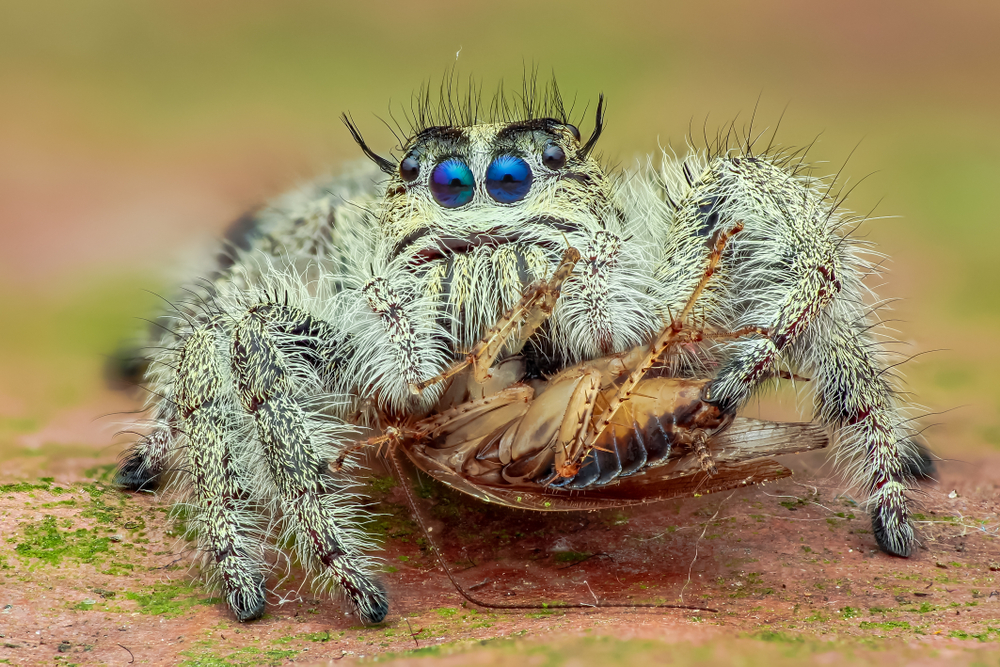
Birdlife is equally impressive, with more than 300 species recorded, including pheasants, hornbills, barbets, woodpeckers, and numerous migratory birds. Reptiles and amphibians are abundant, while thousands of insect species contribute to the park’s reputation as a biodiversity hotspot. During spring, the park’s butterfly season creates spectacular displays as thousands of butterflies emerge throughout the forest.
Cúc Phương National Park plays a vital role in preserving northern Vietnam’s remaining tropical forests and protecting endangered wildlife. The park serves as a center for conservation research, environmental education, and species recovery programs.
Its ecological significance is often compared to Bach Ma National Park and Khao Yai National Park because of its biodiversity, forest ecosystems, and conservation leadership. Through its ancient rainforests, limestone caves, rare primates, and groundbreaking conservation initiatives, Cúc Phương National Park stands as one of Vietnam’s most treasured protected areas and a cornerstone of biodiversity protection in Southeast Asia.
Things to See
Things To Do
Engaging Cuc Phuong National Park
FAQ’s
What is Cuc Phuong National Park known for?
Cuc Phuong National Park is known for its rich biodiversity and pristine landscapes, making it one of Vietnam’s most important protected areas.
The park is renowned for its ancient limestone karst formations, dense tropical forests, and diverse array of flora and fauna.
Visitors to Cuc Phuong can explore its scenic trails, visit the Endangered Primate Rescue Center to learn about conservation efforts for endangered primates, and discover ancient caves and archaeological sites within the park’s boundaries.
When is the best time to visit Cuc Phuong National Park?
The best time to visit Cuc Phuong National Park is during the dry season, which typically lasts from November to April.
During this time, the weather is relatively mild and dry, making it ideal for outdoor activities such as hiking, birdwatching, and wildlife spotting.
Average temperatures during the dry season range from 60°F to 80°F (16°C to 27°C) during the day and can drop to around 50°F to 60°F (10°C to 15°C) at night, providing comfortable conditions for exploration and enjoyment of the park’s natural beauty.
Sources
Cuc Phuong, Park Șițe, https://www.cucphuongnationalpark.com/, retrieved April 2024.
Local Vietnam, Cuc Phuong, https://localvietnam.nl/blog/cuc-phuong-national-park/, retrieved April 2024.
Vinpearl, Cuc Phuong National Park, https://vinpearl.com/en/cuc-phuong-national-park-ninh-binh, retrieved April 2024.
Vietnam Online, Cuc Phuong, https://www.vietnamonline.com/attraction/cuc-phuong-national-park.html, retrieved April 2024.