


About
Ba Vì National Park (Vietnamese: Vườn Quốc gia Ba Vì) is located approximately 30 miles (50 km) west of Hanoi in northern Vietnam. Established as a national park in 1991, the park covers approximately 42 square miles (109 sq km) and protects the Ba Vì Mountain Range, one of northern Vietnam’s most significant natural landmarks.
Rising dramatically above the surrounding Red River Delta, the park serves as an important refuge for biodiversity while providing a popular escape from the bustling capital city. Its proximity to Hanoi makes it one of the most accessible and frequently visited national parks in Vietnam.
The park is best known for its mist-covered mountains, cool climate, and scenic forest landscapes. Visitors are attracted by mountain trails, panoramic viewpoints, waterfalls, and historical sites scattered throughout the park. One of the most iconic attractions is the summit area of Ba Vi Mountain, where visitors can enjoy sweeping views of the surrounding countryside and, on clear days, portions of the Red River Delta.
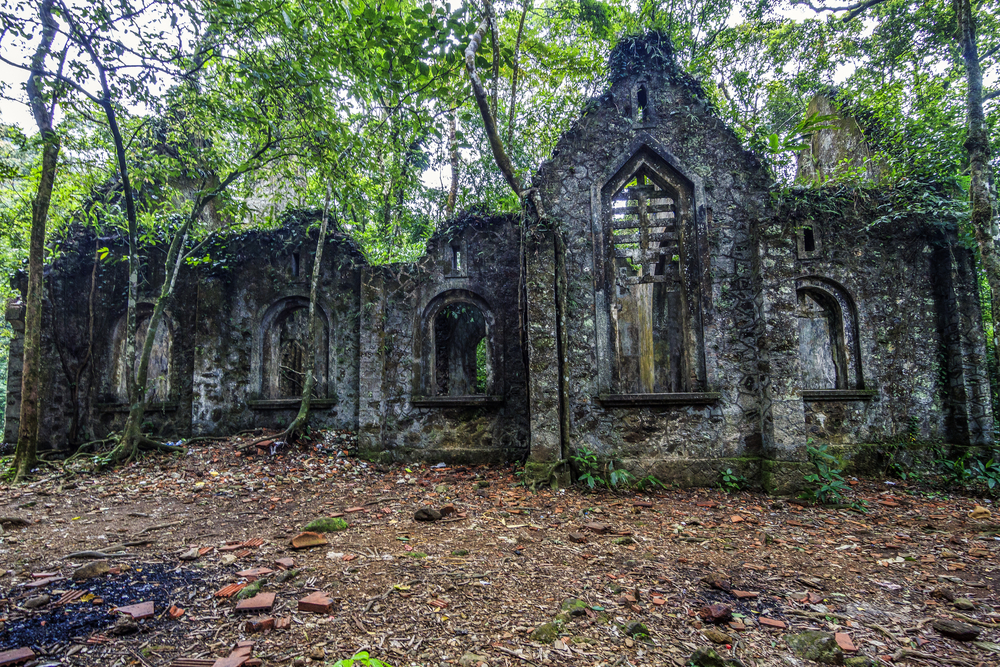
The park also contains remnants of French colonial-era buildings hidden within the forest, creating a unique blend of natural and historical attractions. During cooler months, clouds and fog often drift through the mountains, creating a mystical atmosphere that has made the park a favorite destination for photographers and hikers.
Geographically, Ba Vì National Park is dominated by three prominent mountain peaks: Vua Peak, Tan Vien Peak, and Ngoc Hoa Peak. The highest summit rises to approximately 4,281 feet (1,304 m), creating a range of climatic zones within the park. Lower elevations support tropical forests, while higher elevations contain subtropical and montane ecosystems.
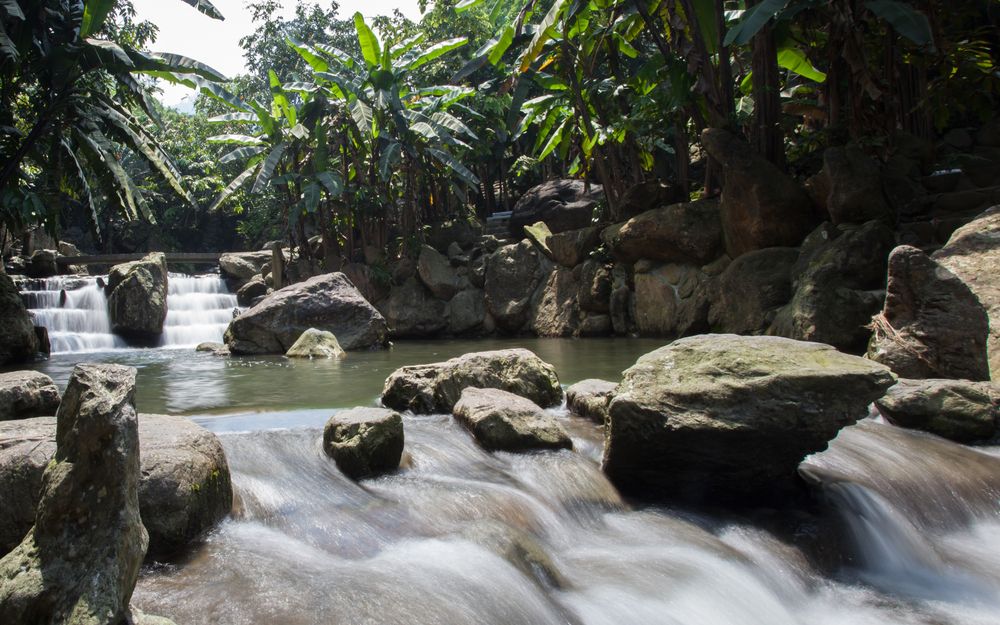
Numerous streams, waterfalls, and springs flow down the mountain slopes, supporting lush vegetation and contributing to the park’s ecological diversity. The varied elevations and climates allow a remarkable range of plant communities to thrive within a relatively compact area.
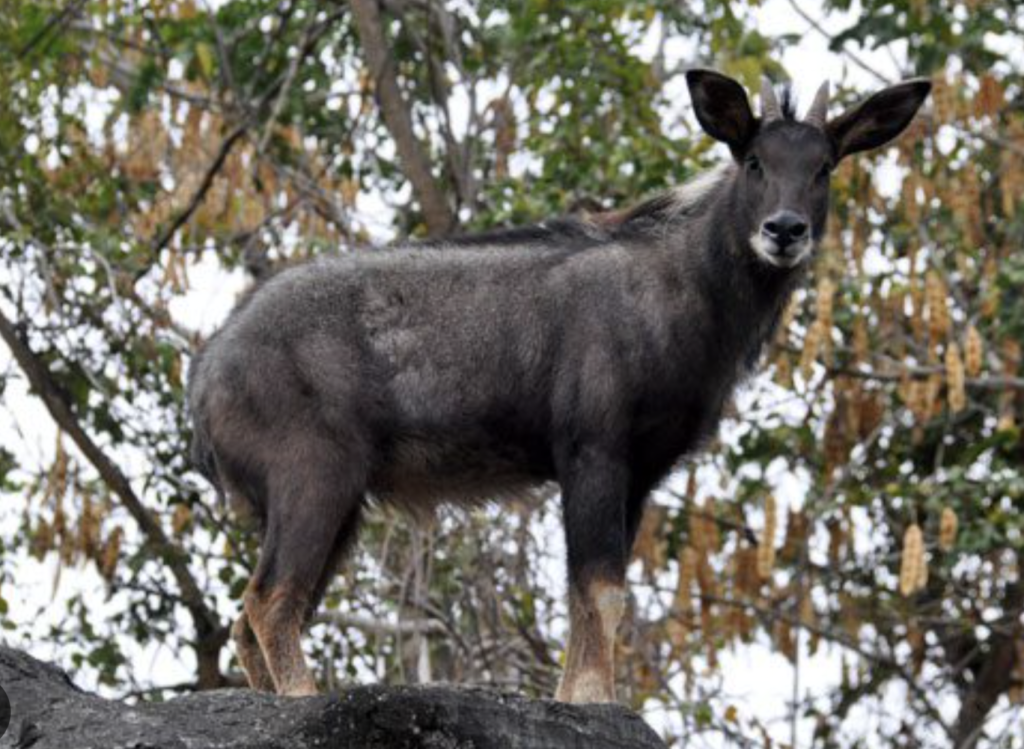
Wildlife within Ba Vì National Park is diverse and includes many species native to northern Vietnam. Mammals found in the park include civets, squirrels, bats, macaques, and several small carnivores. The forests support a rich variety of birdlife, with more than 200 recorded species including pheasants, barbets, drongos, kingfishers, and numerous migratory birds.
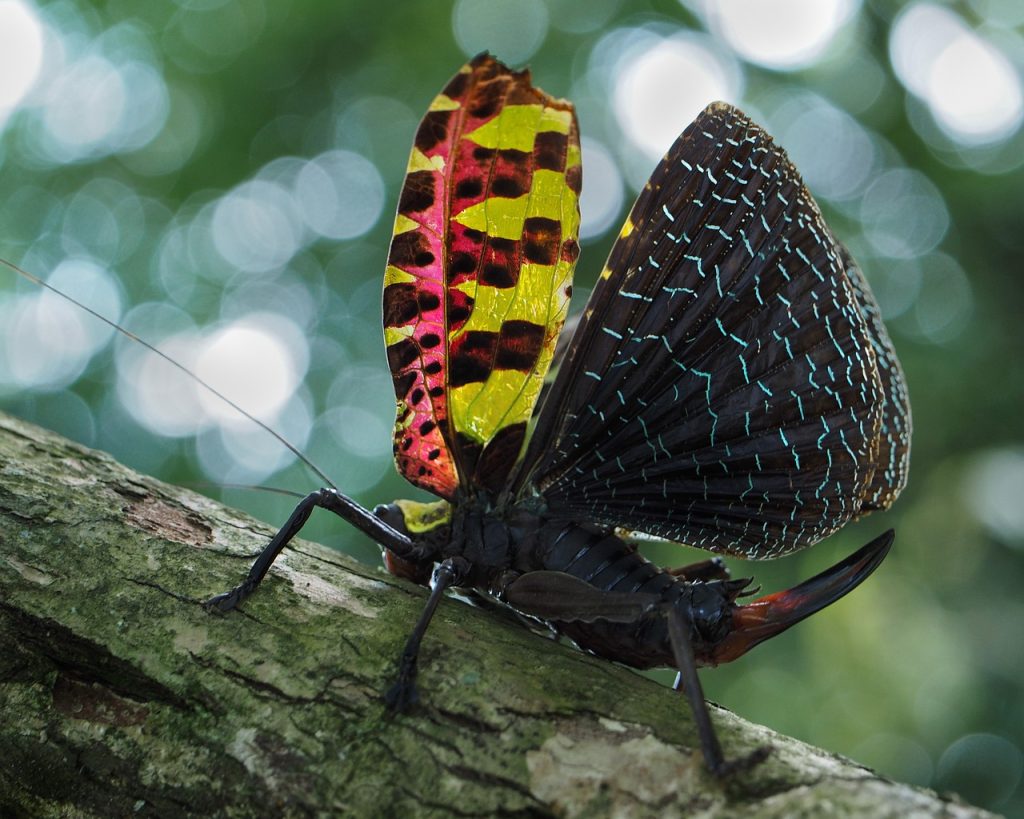
Reptiles, amphibians, and insects are abundant, while the park’s botanical diversity is particularly noteworthy. Thousands of plant species have been documented, including orchids, medicinal plants, ferns, and rare forest trees that contribute to the park’s scientific and conservation value.
Ba Vì National Park plays a crucial role in protecting one of northern Vietnam’s most important mountain ecosystems. The park safeguards watersheds that supply water to surrounding communities, preserves habitat for native wildlife, and protects significant botanical resources.
Its conservation importance is often compared to Tam Dao National Park and Bach Ma National Park because of its mountain forests, biodiversity, and accessibility. Through its cloud-covered peaks, rich forests, diverse wildlife, and cultural significance, Ba Vì National Park stands as one of Vietnam’s most beloved protected areas and a vital sanctuary for the natural heritage of the Red River region.
Things to See

Things To Do
Engaging Ba Vi National Park

FAQ’s
What is Ba Vi National Park known for?
Ba Vi National Park is known for its lush tropical forests, diverse flora and fauna, and scenic landscapes. The park encompasses Ba Vi Mountain, a prominent landmark in the region, which rises to an elevation of 1,296 meters (4,252 feet) above sea level.
One of the main attractions of Ba Vi National Park is its rich biodiversity. The park is home to a variety of plant and animal species, including rare and endangered species such as the Delacour’s langur, a type of leaf-eating monkey found only in northern Vietnam.
Another highlight of Ba Vi National Park is its stunning landscapes and panoramic views. From the summit of Ba Vi Mountain, visitors can enjoy sweeping vistas of the surrounding countryside, rice paddies, and distant mountain ranges.
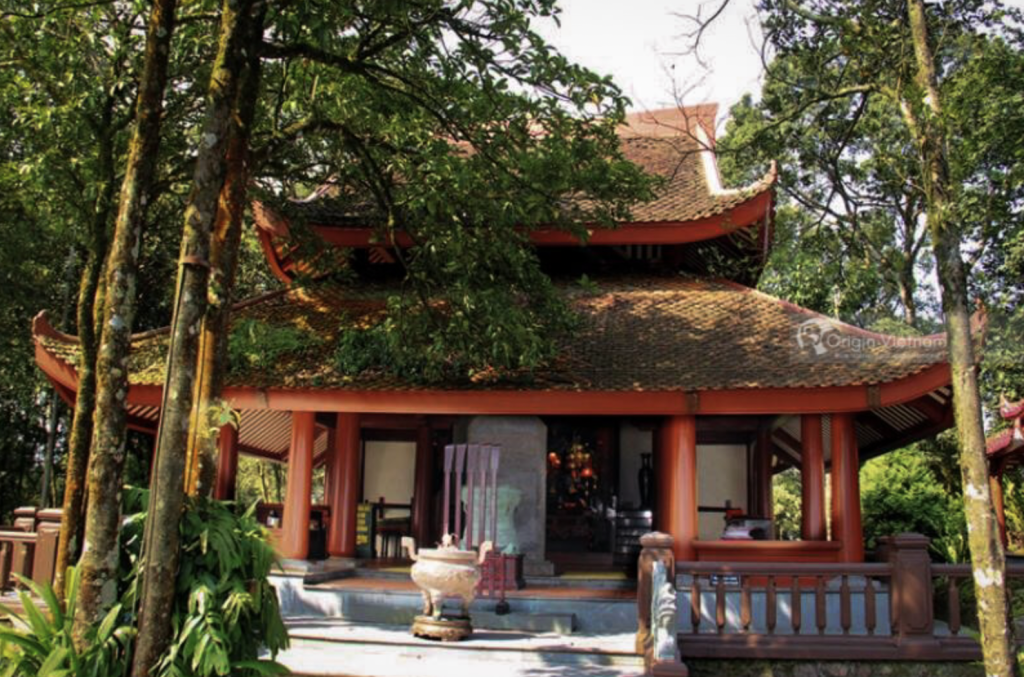
In addition to its natural beauty, Ba Vi National Park also holds cultural significance. At the summit of Ba Vi Mountain, visitors can visit the historic Ba Vi Pagoda, a Buddhist temple dating back to the 11th century. The pagoda offers a peaceful retreat and a chance to learn about Vietnam’s rich religious heritage.
Overall, Ba Vi National Park offers visitors a chance to escape the hustle and bustle of city life and immerse themselves in the tranquility and natural beauty of Vietnam’s countryside. Whether hiking through the forest, admiring the views from the mountain summit, or exploring ancient temples, Ba Vi National Park provides a memorable and enriching experience for nature lovers and cultural enthusiasts alike.
Sources
All Trails, Ba Vi Nation Park, https://www.alltrails.com/parks/vietnam/hanoi/ba-vi-national-park, retrieved April 2024.
Origin Vietnam, Ba Vi National Park, https://www.originvietnam.com/destination/vietnam/hanoi/ba-vi-national-park.html, retrieved April 2024.
Vietnam Travel, Ba Vi National Park, https://vietnamtravel.com/ba-vi-national-park/, retrieved April 2024.
Vinpearl, Ba Vi National Park, https://vinpearl.com/en/ba-vi-national-park-in-hanoi-a-not-to-be-missed-location-for-nature-lovers, retrieved April 2024.
VinWonders, Ba Vi National Park, https://vinwonders.com/en/news/ba-vi-national-park-an-ideal-site-in-a-hanoi-suburb-for-your-getaway/, retrieved April 2024.