About

Loango National Park (French: Parc National de Loango) is located along the Atlantic coast of western Gabon within Ogooué-Maritime Province. Established in 2002 as part of Gabon’s landmark network of national parks, Loango covers approximately 600 square miles (1,550 sq km) and protects one of Africa’s most diverse and spectacular coastal wilderness areas.

The park stretches from the Atlantic Ocean inland through lagoons, wetlands, forests, savannas, and rivers, creating an extraordinary mosaic of habitats. Together with neighboring protected areas such as Moukalaba-Doudou National Park and Akanda National Park, Loango forms a critical part of Gabon’s globally significant conservation network.

The park is best known as the place “where the forest meets the sea.” Few destinations in the world offer the opportunity to watch elephants, buffalo, and other large mammals walking along ocean beaches. This remarkable combination of wildlife and coastal scenery has earned Loango international recognition as one of Africa’s most unique safari destinations.

Visitors come to observe wildlife in diverse settings, from boat safaris through lagoons and mangroves to guided excursions across savannas and rainforests. Seasonal whale watching along the coast and sea turtle nesting events further enhance the park’s reputation as a world-class ecotourism destination.

Geographically, Loango National Park is exceptionally diverse. The landscape includes pristine Atlantic beaches, coastal lagoons, mangrove forests, freshwater wetlands, tropical rainforest, and open savanna. Rivers and waterways weave throughout the park, creating habitats that support an extraordinary variety of species.

The coastal zone features long stretches of undeveloped shoreline, while inland forests contain towering trees, dense vegetation, and rich wetlands. This unusual combination of ecosystems within a single protected area contributes to Loango’s exceptional biodiversity and scenic beauty.

Wildlife is the defining feature of Loango National Park. Forest elephants, African buffalo, red river hogs, and several species of antelope are frequently observed throughout the park. Western lowland gorillas and central chimpanzees inhabit the forests, while hippos sometimes venture into coastal waters and even surf in ocean waves, a behavior rarely seen elsewhere.

The park supports an impressive diversity of primates, including mandrills and guenons. Birdlife is equally abundant, with more than 400 species recorded, including kingfishers, bee-eaters, hornbills, herons, and migratory shorebirds. Offshore waters host humpback whales during migration seasons, while leatherback and olive ridley sea turtles nest along the beaches.

Loango National Park plays a crucial role in protecting one of Central Africa’s most intact coastal ecosystems. The park safeguards endangered wildlife, preserves critical nesting beaches for marine turtles, and protects vast tracts of rainforest and wetland habitat. Its ecological significance is often compared to celebrated wildlife reserves such as Serengeti National Park and Corcovado National Park because of its extraordinary biodiversity and relatively untouched landscapes.

Yet Loango remains unique in offering the rare spectacle of large African mammals roaming along Atlantic beaches. Through its pristine coastlines, remarkable wildlife, and exceptional conservation value, Loango National Park stands as one of Africa’s most extraordinary protected areas and a shining example of wilderness preservation.

Things to See
Predators

Predators

Loango National Park is home to a diverse array of predator species, each playing a vital role in the park’s ecosystem. These predators are essential for maintaining a balanced prey population and ensuring the health of the park’s wildlife.

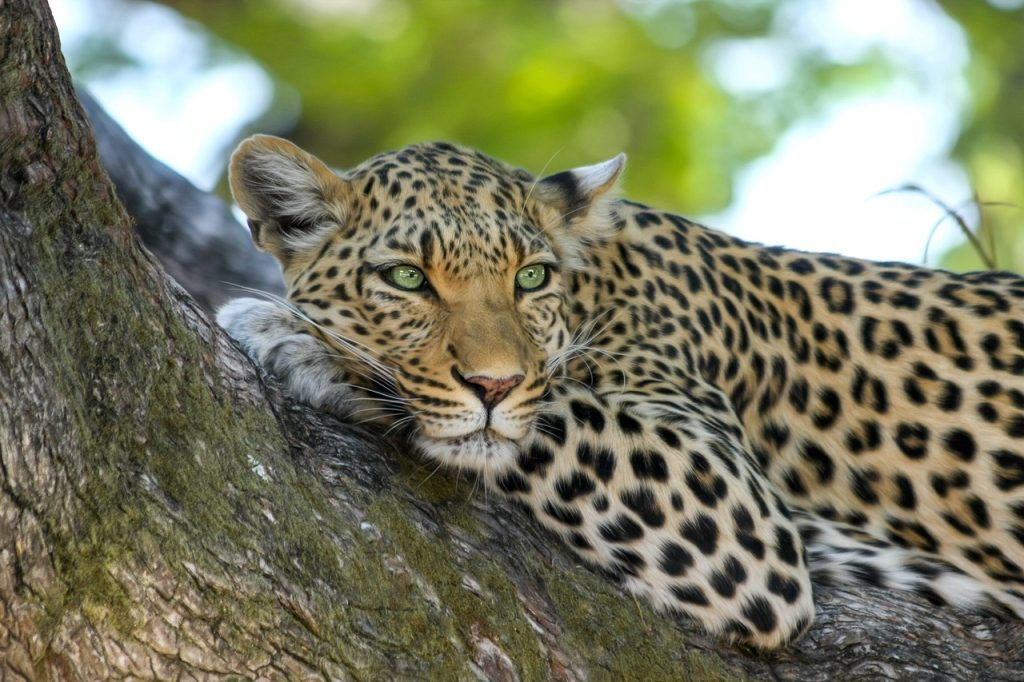
Leopard: Stealthy and elusive, leopards are top predators in Loango. They rely on their keen senses and powerful hunting abilities to ambush and capture a variety of prey species.

African Lion: The iconic African lion is a symbol of strength and power in Loango. These majestic predators form social groups called prides, cooperating to hunt large prey like antelope and buffalo.

Spotted Hyena: Highly adaptable scavengers, spotted hyenas are skilled hunters and opportunistic feeders. Their strong jaws and keen sense of smell enable them to scavenge or hunt a variety of prey.

African Wild Dog: With their distinctive mottled coats and highly social behavior, African wild dogs are fascinating predators in Loango. They hunt cooperatively in packs, pursuing prey with remarkable speed and endurance.

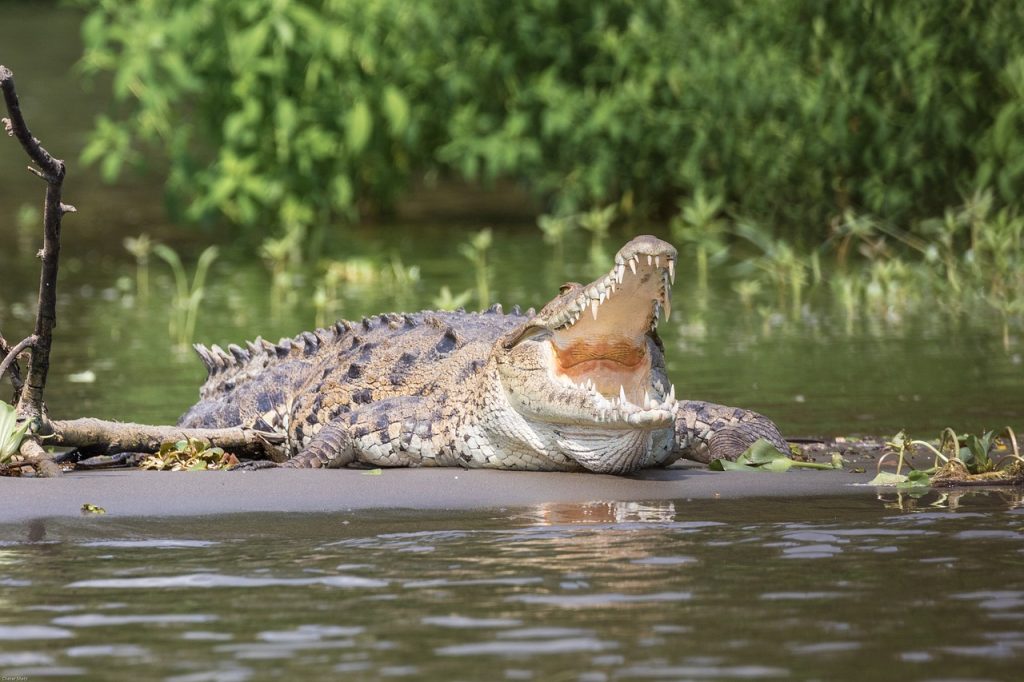
Crocodile: Stealthy and patient, crocodiles are apex predators in Loango’s waterways. They lie in wait near the water’s edge, using their powerful jaws to ambush unsuspecting prey that ventures too close.

Popular

Popular

Loango National Park boasts a rich diversity of wildlife beyond its predators. Here are some of the park’s most popular species:

Forest Elephant: Majestic and gentle giants, forest elephants roam Loango’s dense forests. They play a crucial role in shaping the landscape and are vital for seed dispersal.

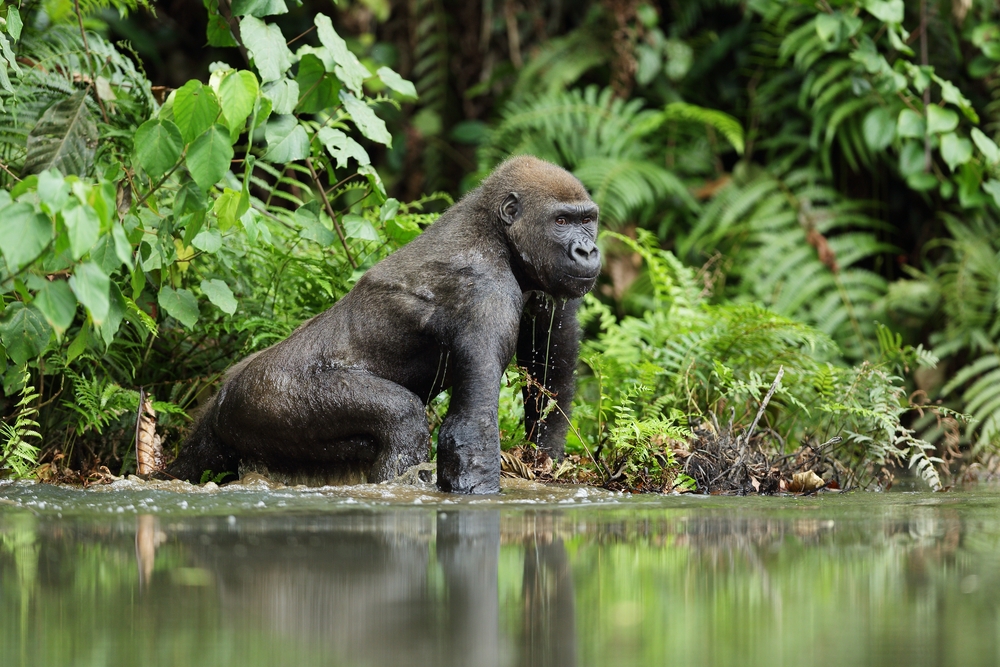
Western Lowland Gorilla: These magnificent primates are icons of conservation in Loango. With their gentle demeanor and complex social structures, they captivate visitors with their intelligence and grace.

Red River Hog: With striking reddish coats and distinctive facial markings, red river hogs are charismatic inhabitants of Loango. They forage in small groups, rooting for roots, fruits, and insects.

Sitatunga: Adapted to life in the swampy areas of Loango, sitatungas are elusive antelopes known for their unique ability to navigate through flooded forests using their splayed hooves.

Bongo: Known as the “ghost of the forest,” bongos are elusive and rarely seen in Loango. Their chestnut-red coats and spiral horns make them one of Africa’s most beautiful antelopes.

Western Sitatunga: These shy antelopes inhabit the dense forests and wetlands of Loango. With their distinctive white facial markings and reddish coats, they are a rare sight for lucky visitors.

Buffalo: Massive and powerful, buffaloes are formidable herbivores in Loango. They form large herds, providing safety in numbers against predators like lions and hyenas.

Chimpanzee: Loango is home to a population of chimpanzees, our closest living relatives. With their complex social structures and human-like behaviors, they offer a glimpse into our evolutionary past.

Colobus Monkey: Graceful and arboreal, colobus monkeys are a common sight in Loango’s forests. Their black and white fur and long tails make them easily recognizable among the trees.

African Forest Buffalo: Smaller and more agile than their savanna counterparts, African forest buffaloes are well-adapted to the dense vegetation of Loango. They are often found near water sources, where they can graze and cool off.

Birds

Birds

Loango National Park is a haven for bird enthusiasts, with a diverse array of avian species gracing its skies and forests. Here are some of the captivating bird species found in the park:

African Fish Eagle: With its striking plumage and distinctive call, the African fish eagle is a symbol of Africa’s waterways. It can often be spotted near rivers and lakes, where it hunts for fish.

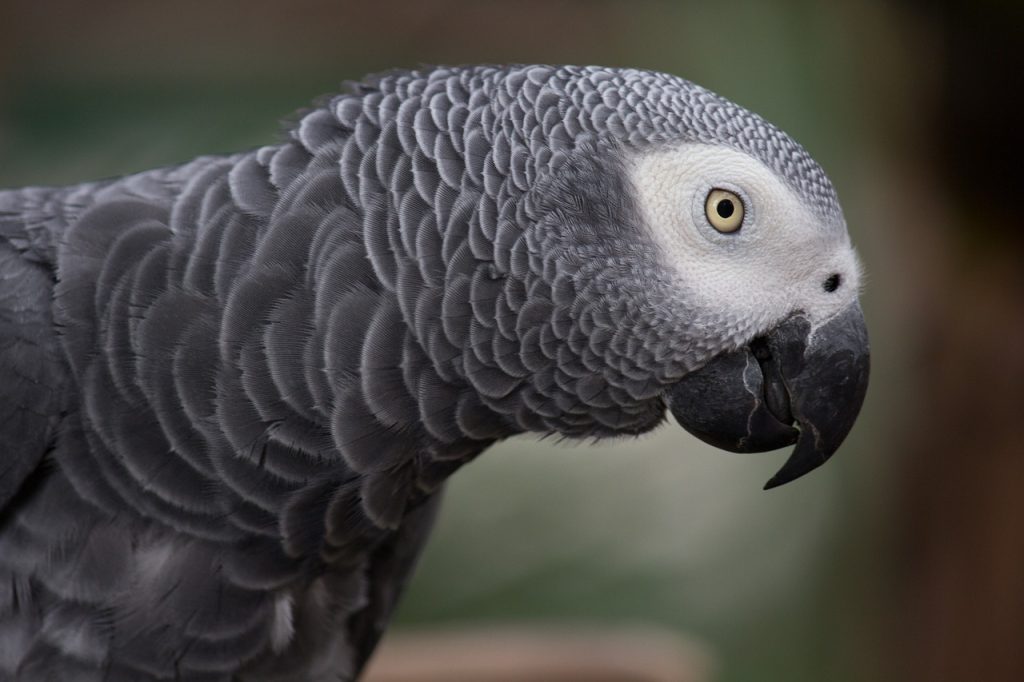
Grey Parrot: Known for its intelligence and vibrant plumage, the grey parrot is a sought-after sighting in Loango. It inhabits the forest canopy, where it feeds on fruits and seeds.

African Pied Hornbill: With its striking black and white plumage and distinctive casque on its bill, the African pied hornbill is a charismatic resident of Loango’s forests.

Western Bluebill: This small, brightly colored bird is a delight to observe in Loango. With its striking blue and yellow plumage, it adds a splash of color to the forest understory.

African Jacana: With its long legs and distinctive lily-pad walking behavior, the African jacana is a common sight in the wetlands of Loango. It forages for insects and small invertebrates.

Palm-nut Vulture: As a scavenger, the palm-nut vulture plays an important role in the ecosystem of Loango. It can often be seen soaring high above the park, scanning for carrion.

Western Plantain-eater: This colorful bird, also known as the “green turaco,” is a common sight in the forests of Loango. Its vibrant plumage and distinctive call make it easily recognizable.

African Pied Wagtail: With its distinctive black and white plumage and wagging tail, the African pied wagtail is a charming inhabitant of Loango’s grasslands and wetlands.

Congo Serpent Eagle: This raptor is a skilled hunter of snakes and other small prey in the forests of Loango. Its mottled brown plumage provides excellent camouflage among the trees.

African Pygmy Kingfisher: Despite its small size, the African pygmy kingfisher is a skilled fisher, diving into streams and ponds to catch its prey. Its vibrant plumage adds a splash of color to the forest.

Things To Do

Engaging Loango

Game Drives

Embark on thrilling wildlife safaris through Loango National Park, renowned for its diverse ecosystems and abundant wildlife. Traverse pristine mangrove forests, lush savannahs, and meandering rivers in search of iconic species such as elephants, buffaloes, hippos, and the elusive forest elephants and western lowland gorillas.

Boat Safari

Explore the park’s extensive network of waterways on a scenic boat cruise. Glide along tranquil rivers and estuaries, accompanied by experienced guides who will point out crocodiles, dolphins, and a myriad of bird species inhabiting the park’s coastal and freshwater habitats.

Sources

Atlas Obscura, Loango National Park, https://www.atlasobscura.com/places/loango-national-park, retrieved March 2024.

Gabon Wilife, Loango National Park, https://gabonwildlifecamps.com/gabon-parks-camps/loango-national-park/, retrieved March 2024.

Lonely Planet, Loango National Park, https://www.lonelyplanet.com/gabon/southern-gabon/loango-national-park, retrieved March 2024.