About

Dzanga-Ndoki National Park is located in the southwestern corner of the Central African Republic near the borders of Cameroon and Republic of the Congo. Established in 1990, the park covers approximately 442 square miles (1,143 sq km) and forms part of the internationally significant Sangha Trinational conservation landscape.

It borders Lobéké National Park and Nouabalé-Ndoki National Park, creating one of the largest protected rainforest ecosystems in Africa. Together, these parks safeguard vast tracts of the Congo Basin, the world’s second-largest tropical rainforest after the Amazon.

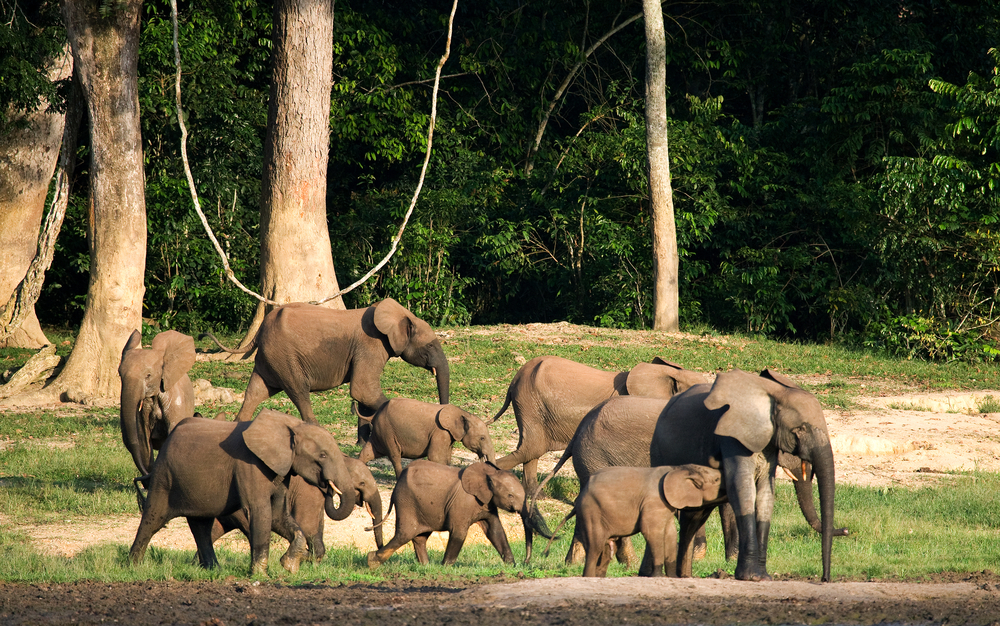
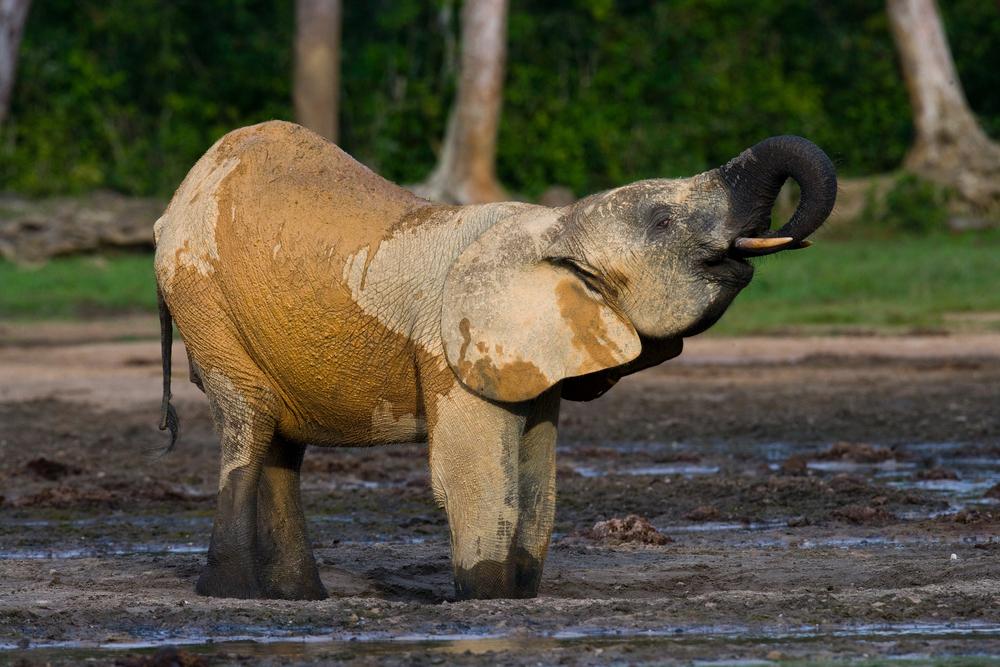
The park is best known for its extraordinary populations of forest elephants and western lowland gorillas. One of its most famous attractions is Dzanga Bai, often called the “Village of Elephants.” This large forest clearing attracts hundreds of forest elephants that gather to consume mineral-rich soils and water.

Few wildlife experiences in Africa rival the opportunity to observe these elusive elephants in such numbers. Visitors also come to track habituated gorilla groups through the rainforest, offering a rare chance to observe these endangered primates in their natural environment. These experiences have made Dzanga-Ndoki one of the premier wildlife destinations in Central Africa.

The geography of the park is characterized by dense lowland tropical rainforest, winding rivers, swamp forests, and natural forest clearings known as bais. These open spaces are scattered throughout the forest and serve as important gathering places for wildlife. The Sangha River and its tributaries influence much of the park’s landscape, creating a mosaic of habitats that support exceptional biodiversity.

Towering hardwood trees rise above the forest canopy, while lianas, ferns, palms, and dense understory vegetation create a rich and layered ecosystem. The rainforest remains largely intact, providing an increasingly rare example of an undisturbed Congo Basin environment.

Dzanga-Ndoki National Park supports one of the richest concentrations of wildlife in Central Africa. In addition to forest elephants and western lowland gorillas, the park provides habitat for chimpanzees, bongos, forest buffalo, giant forest hogs, sitatungas, and several species of duikers. P

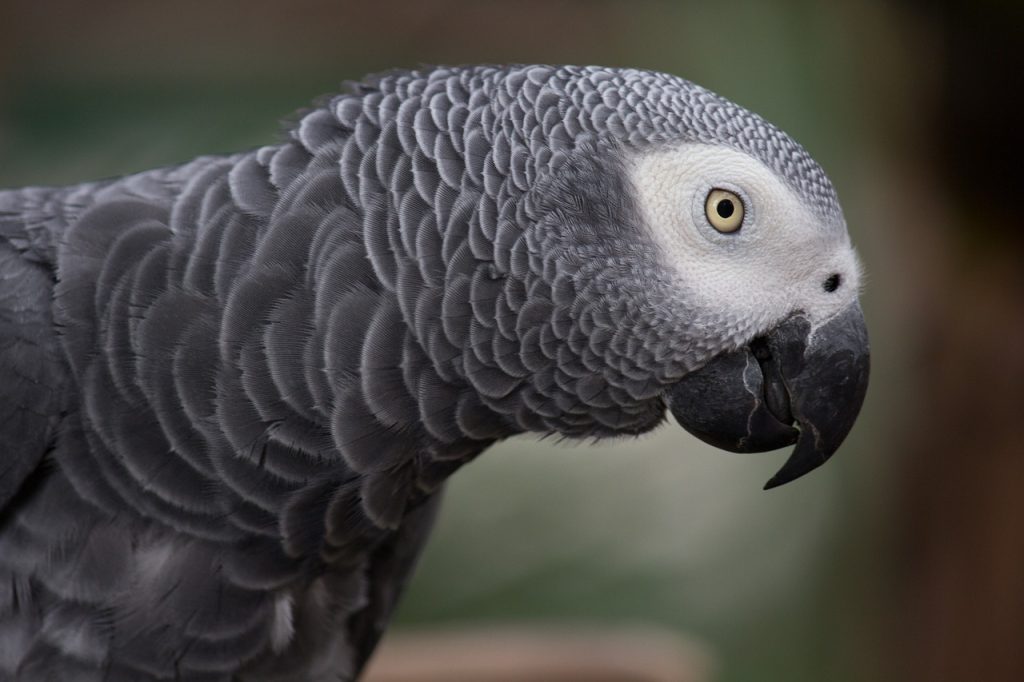
redators such as leopards move quietly through the forest, though they are rarely seen. Birdlife is equally impressive, with hornbills, African grey parrots, kingfishers, bee-eaters, and numerous forest specialists inhabiting the park. The biodiversity found here reflects the extraordinary ecological richness of the Congo Basin rainforest.

The conservation importance of Dzanga-Ndoki National Park cannot be overstated. It protects globally significant populations of endangered species, including western lowland gorillas and African forest elephants, both of which face serious threats from poaching and habitat loss. The park also safeguards traditional forest lands used by Indigenous Ba’Aka communities, whose knowledge and stewardship contribute to conservation efforts.

Ecologically, Dzanga-Ndoki is often compared to renowned rainforest reserves such as Bwindi Impenetrable National Park and Corcovado National Park because of its remarkable biodiversity and intact ecosystems. Through its vast forests, iconic wildlife, and critical role within the Sangha Trinational landscape, Dzanga-Ndoki National Park remains one of Africa’s most important strongholds for rainforest conservation and one of the continent’s most extraordinary wilderness destinations.

Things to See
Predators

Predators

Dzanga-Ndoki National Park is teeming with predator species, essential for maintaining the delicate balance of its pristine ecosystems. These apex predators play a crucial role in regulating prey populations and shaping the park’s biodiversity.

Forest Elephant: Majestic giants of the rainforest, forest elephants are keystone species shaping the landscape. Their presence influences vegetation structure, benefiting other species and promoting ecosystem health.

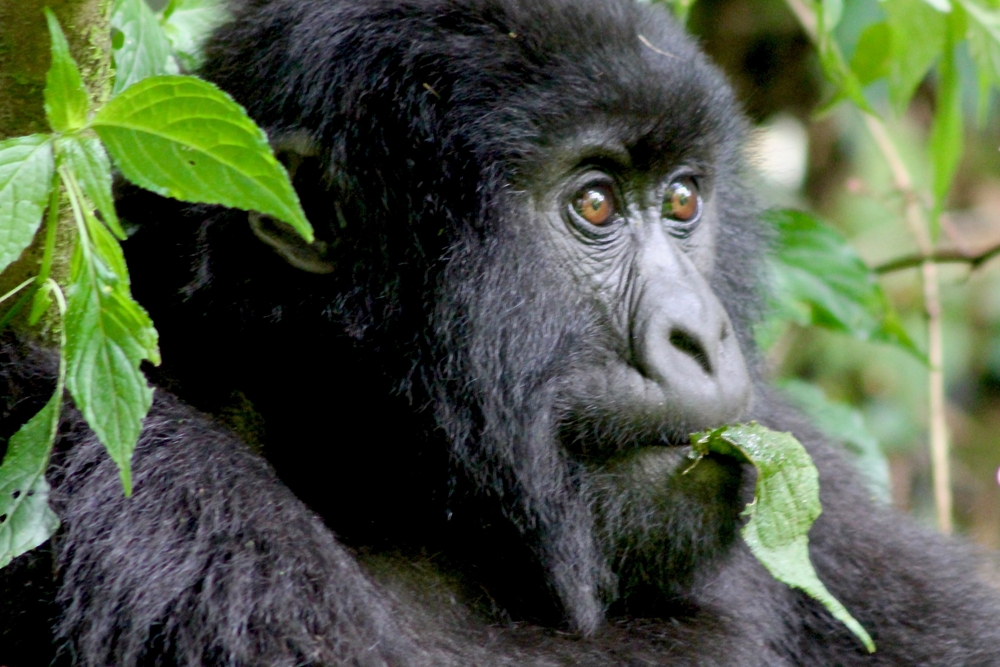
Western Lowland Gorilla: Powerful and intelligent primates, gorillas are the largest living primates and key indicators of forest health. Their conservation is vital for preserving the park’s biodiversity and ecological integrity.

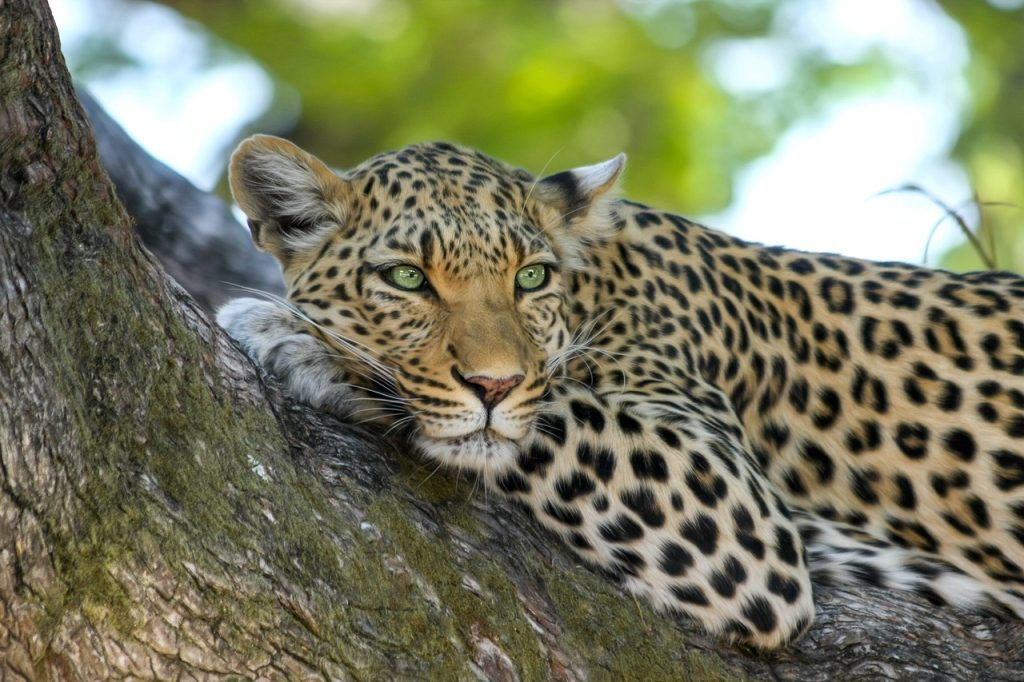
Leopard: Agile and elusive, leopards are skilled hunters capable of adapting to diverse habitats. Their solitary nature and stealthy hunting tactics make them apex predators of the rainforest.

African Forest Buffalo: Formidable herbivores, forest buffalos are critical prey species for predators like leopards and lions. Their ecological role extends to shaping vegetation dynamics and nutrient cycling in the forest.

African Golden Cat: Elusive and rarely seen, African golden cats are secretive hunters of the forest understory. Their presence indicates a healthy ecosystem and highlights the park’s rich biodiversity.

Popular

Popular

Dzanga-Ndoki National Park is a haven for diverse wildlife, showcasing a plethora of iconic species. These creatures captivate visitors with their beauty and ecological significance, enriching the park’s biodiversity.

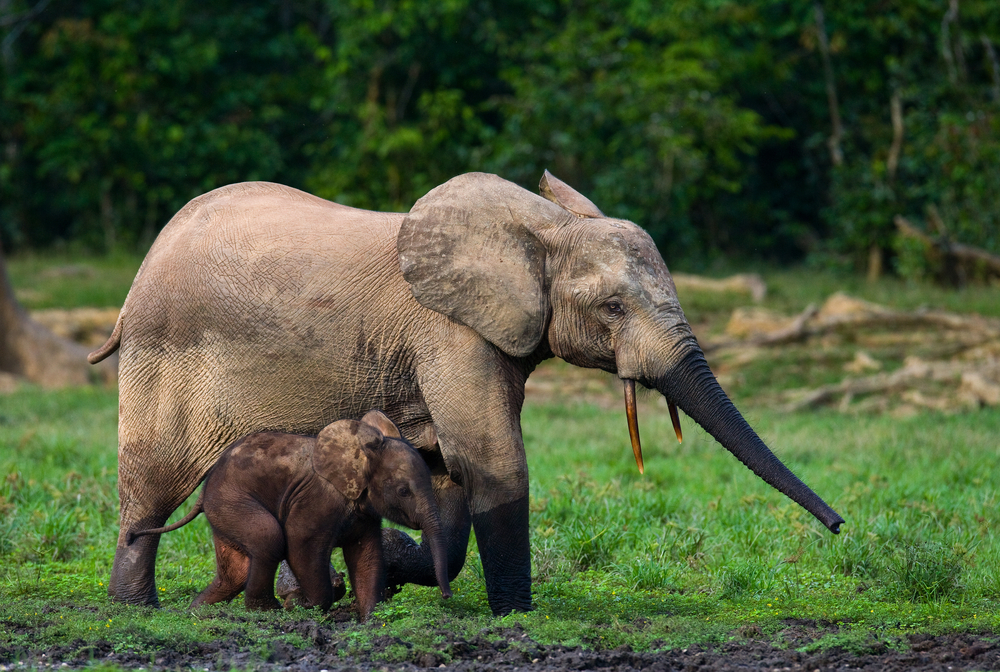
Forest Elephant: Towering giants of the rainforest, forest elephants shape the landscape and play a crucial role in seed dispersal, contributing to the regeneration of forest ecosystems.

Western Lowland Gorilla: Endearing and enigmatic, gorillas are the epitome of primate intelligence and social complexity, offering profound insights into our evolutionary history and the importance of conservation efforts.

Chimpanzee: Close relatives of humans, chimpanzees exhibit complex behaviors and social structures. Studying them provides valuable insights into our own behavior and evolutionary past.

Bongo: Elusive and majestic, bongos are the largest forest antelopes, showcasing impressive horns and vibrant chestnut coats. Their presence signifies the health of the park’s montane forests.

Red River Hog: Charismatic and gregarious, red river hogs are iconic inhabitants of the rainforest. Their striking appearance and social dynamics make them a delight to observe for visitors.

Giant Forest Hog: Massive and formidable, giant forest hogs are the largest wild pigs, playing a vital role in forest ecosystems as seed dispersers and ecosystem engineers.

African Forest Elephant: Smaller than their savanna counterparts, African forest elephants are elusive denizens of the rainforest, vital for maintaining ecosystem dynamics and biodiversity in their habitat.

Olive Baboon: Highly adaptable and social, olive baboons thrive in various habitats, displaying complex social structures and behaviors that fascinate researchers and visitors alike.

Mandrill: Vibrant and charismatic, mandrills are the world’s largest monkeys, renowned for their colorful faces and intricate social hierarchies, making them a highlight of wildlife sightings.

Forest Sitatunga: Well-adapted to aquatic habitats, forest sitatungas are elusive antelopes with unique hoof structures, enabling them to navigate marshy environments with ease.

Birds

Birds

Dzanga-Ndoki National Park boasts a rich avian diversity, with numerous bird species inhabiting its diverse habitats. From vibrant songbirds to majestic raptors, the park offers unparalleled birdwatching opportunities for enthusiasts.

African Grey Parrot: Renowned for their intelligence and mimicry skills, African grey parrots captivate with their striking plumage and complex vocalizations, making them prized pets and subjects of conservation concern.

Piping Hornbill: With their distinctive calls and vibrant plumage, piping hornbills are charismatic inhabitants of the rainforest canopy, playing crucial roles in seed dispersal and forest regeneration.

African Fish Eagle: Symbolizing Africa’s waterways, African fish eagles are iconic raptors known for their impressive hunting prowess and distinctive calls echoing across rivers and lakes.

Grey Parrot: Sociable and gregarious, grey parrots form tight-knit flocks in the forest canopy, their vibrant plumage and playful antics delighting observers and researchers alike.

Congo Peafowl: Endemic to the Congo Basin, Congo peafowls are strikingly beautiful birds, with iridescent plumage and elaborate courtship displays showcasing their beauty and vitality.

Palm-nut Vulture: Specializing in scavenging palm fruits, palm-nut vultures are adapted to forest habitats, where they soar gracefully in search of their preferred food sources.

Great Blue Turaco: With their vibrant blue plumage and distinctive calls, great blue turacos are emblematic of Central African forests, their presence adding color and character to the canopy.

African Wood Owl: Nocturnal hunters of the forest understory, African wood owls are masters of camouflage, blending seamlessly with their surroundings as they search for prey under the cover of darkness.

Black-casqued Wattled Hornbill: Large and impressive, black-casqued wattled hornbills are key seed dispersers in the forest, their unique calls and aerial acrobatics making them a sight to behold.

Yellow-casqued Wattled Hornbill: Endemic to the Congo Basin, yellow-casqued wattled hornbills are renowned for their striking appearance and vocalizations, contributing to the park’s rich biodiversity.

Things To Do

Engaging Dzanga-Ndoki
Gorilla Trekking

Embark on an unforgettable gorilla trekking adventure in Dzanga-Ndoki National Park, where you can observe habituated gorilla families in their natural habitat. Accompanied by experienced guides, trek through dense rainforest, marvel at these magnificent primates, and learn about their behavior and conservation efforts.

Forest Walks and Nature Trails

Explore the pristine rainforests of Dzanga-Ndoki National Park on guided forest walks and nature trails. Encounter diverse flora and fauna, including rare bird species, forest elephants, and colorful butterflies, as you immerse yourself in the sights and sounds of the wilderness.

River Safaris and Wildlife Viewing

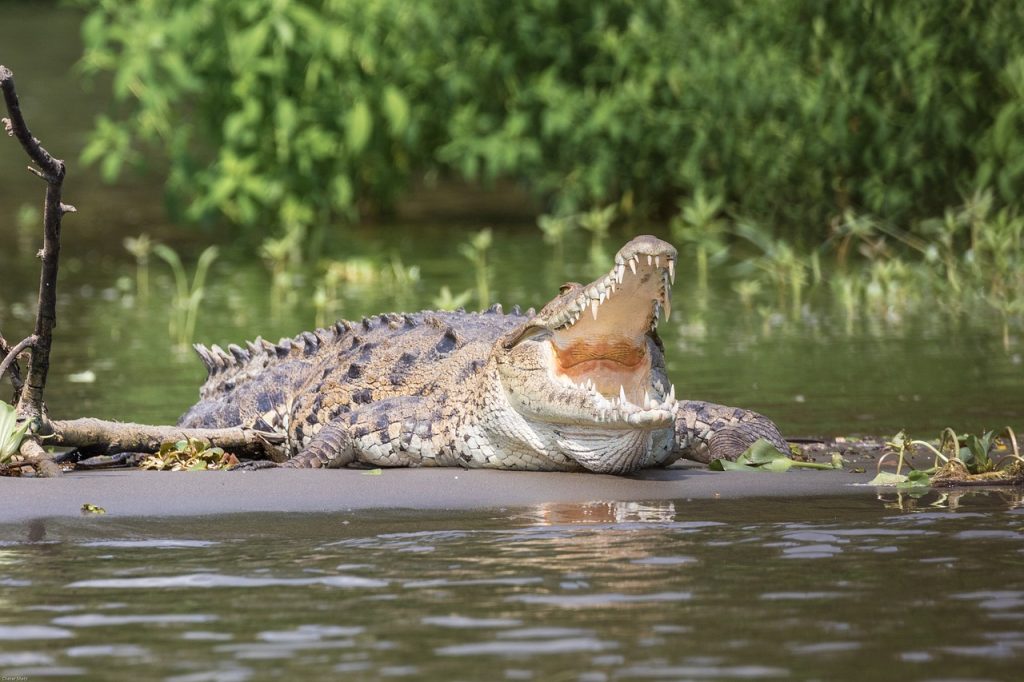
Embark on thrilling river safaris along the Sangha River, offering excellent opportunities to spot wildlife such as forest buffaloes, crocodiles, and various bird species. Cruise through picturesque waterways, surrounded by lush vegetation and pristine landscapes, while enjoying close encounters with wildlife.

placeholder

Canopy Walkway Adventure

Challenge yourself to a thrilling canopy walkway adventure high above the forest floor. Walk along suspended bridges and platforms, offering panoramic views of the rainforest canopy and providing a unique perspective on the park’s biodiversity and ecosystem dynamics.

FAQ’s

What is Dzanga-Ndoki most known for?

Dzanga-Ndoki National Park is renowned for its rich biodiversity, pristine rainforests, and unique wildlife encounters, notably for its habituated western lowland gorillas and forest elephants.

What is the lowland gorilla population within the park?

The lowland gorilla population within Dzanga-Ndoki National Park is estimated to be around 2,000 individuals.

What is the elephant population within Dzanga-Ndoki?

As for the elephant population, there are approximately 3,500 forest elephants inhabiting the park.

Sources

Dzanga-Sangha, The Dzanga Sangha Protected Areas, https://dzanga-sangha.org/facts-infos/, retrieved April 2024.

GRID, Dzanga Ndoki, https://www.grida.no/resources/1509, retrieved April 2024.

UNESCO, Sangha Trinational, https://whc.unesco.org/en/list/1380/, retrieved April 2024.